
Waiting lists hobble pre-K learning
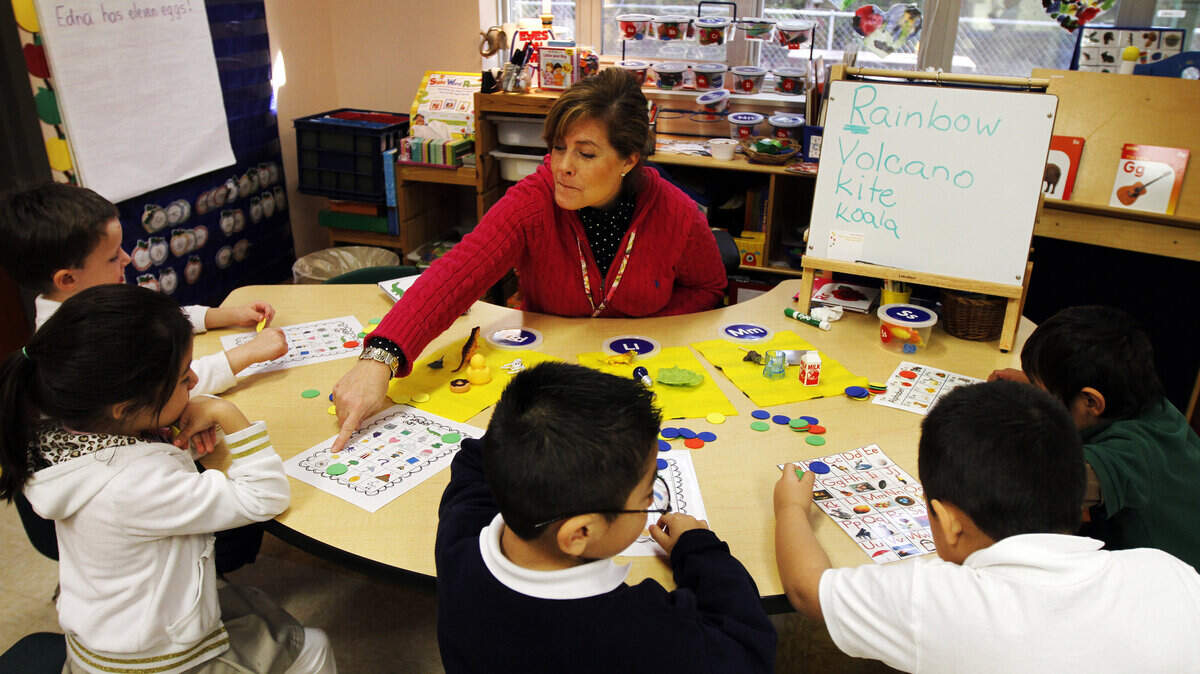
More than 1,000 4-year-olds are identified each year as developmentally behind and eligible for the pre-kindergarten program offered by the Beaufort County School District.
But there's one big problem. There's not enough room for all of them.
So instead of learning colors, numbers and shapes in a pre-K class, about 100 students, and sometimes more, sit on a waiting list throughout the year.
Valuable time that could be spent catching them up and preparing them for school is lost.
"As we know through proven research, early intervention is the key to later academic success," said Ashley Hutchison, district coordinator for early childhood education. "We have a greater need than we are able to serve. Right now, I have 100 children to screen (to determine if they qualify for the pre-K program). I am going as fast as I can to screen them, but they just keep coming."
Adding more seats in the pre-K program is a priority, say district leaders.
They've got a goal. Three years from now, they'll create space in the program for every 4-year-old on the waiting list and every 4-year-old in the county whose parents want to enroll them.
Efforts are already underway to meet the goal.
Last year, the district converted most half-day classes into full days of instruction, adding seven full-day classes.
Every elementary school in the district now offers at least one pre-K class.
Several schools are getting additions to accommodate the additional classrooms, including Hilton Head Island Early Childhood Center, which broke ground on a new wing to be completed next year.
This school year, the district has begun chipping away at the waiting list, adding six classrooms across five schools.
But the list was not alleviated because students continue to get screened and signed up for the program throughout the year, according to district head of instruction Dereck Rhoads.
In an average year, the district screens about 1,200 students, at various schools around the county, Hutchison said. Interested parents can bring their students by for tests of their hearing and vision, motor, cognitive and language skills as well as their emotional and social development. More than 80 percent are deemed eligible for the program.
The need is great and parents are eager to take advantage of it, said Donald Gruel, principal at Mossy Oaks Elementary School.
Several years ago, his school had no pre-K classes. This year, it is adding a second full-day classroom, he said, with spots going quickly.
"Years ago, much of what took place in the kindergarten classroom now takes place in the pre-K classroom," Gruel said. "When you have kids coming into kindergarten now who never have had any of that type of structure before, it can be difficult to catch them up."
Some parents who can't secure a spot in the program for their child turn to private care providers, said Betty Washington, director of First Steps, which works to increase school readiness for students.
But those private centers can cost as much as $200 per week. It's unaffordable for many families, she said. First Steps does not help families pay the tuition, but connects them with various resources and other means of assistance.
"The private sectors are definitely a plus for us because if we didn't have those, I don't know what we would do in terms of so many students going without being served," Washington said. "But we want to make sure students have those opportunities and are not punished if their families don't have the means."
Follow reporter Sarah Bowman on Twitter at twitter.com/IPBG_Sarah and on Facebook at facebook.com/IPBGSarah.
Related Content:School district seeks to expand pre-K countywide, February 22, 2014
This story was originally published August 13, 2015 at 3:41 PM with the headline "Waiting lists hobble pre-K learning."