
Robert Smalls: How a former slave changed Beaufort County and South Carolina
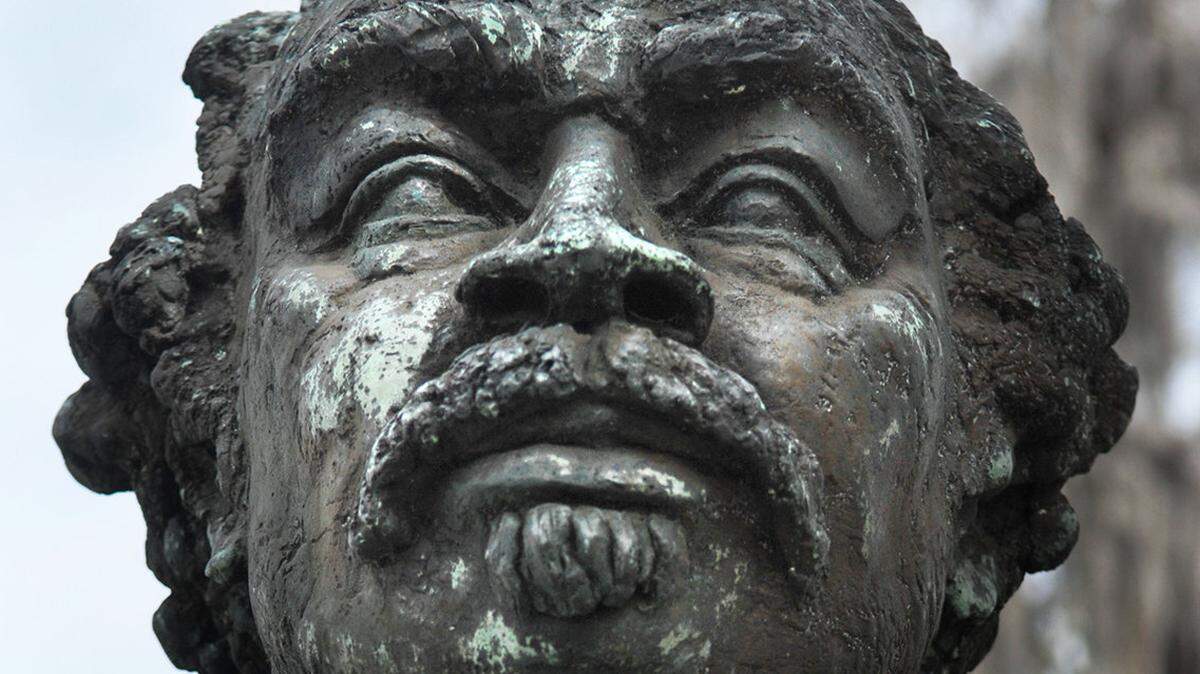
Robert Smalls was born a slave.
Before he died at his Beaufort home -- 100 years ago this week -- he was a national war hero who had served five terms in Congress and met with President Abraham Lincoln, convincing him of the importance of allowing African Americans to serve in the U.S. Army.
But his brand of politics was more local than national. Known as the "King of Beaufort County," he secured the first funds for the purchase of what is today Marine Corps Recruit Depot Parris Island, raised money for Beaufort's first public school and was a booster of economic development in a brief period when the county was a center of industry rather than agriculture.
He was a delegate to two state Constitutional Conventions, one that gave African Americans a seat at the table of democracy, and one that took it away.
A wealthy entrepreneur, he bought the home on Prince Street where he was born into slavery. And remarkably, he later cared for the family of his one-time master there.
Smalls was sitting on the porch of that home on Feb. 23, 1915, when his extraordinary life came to an end at age 76.
By then, the political world had turned against him. Not a word of his death or funeral was reported in The Beaufort Gazette.
But he's experiencing a resurgence now as Beaufort County, and the nation, are realizing the lasting impact of his life.
Click here to continue reading our full presentation.
This story was originally published February 21, 2015 at 6:00 PM with the headline "Robert Smalls: How a former slave changed Beaufort County and South Carolina."