
Santa Elena experts compiling information to guide foundation's efforts
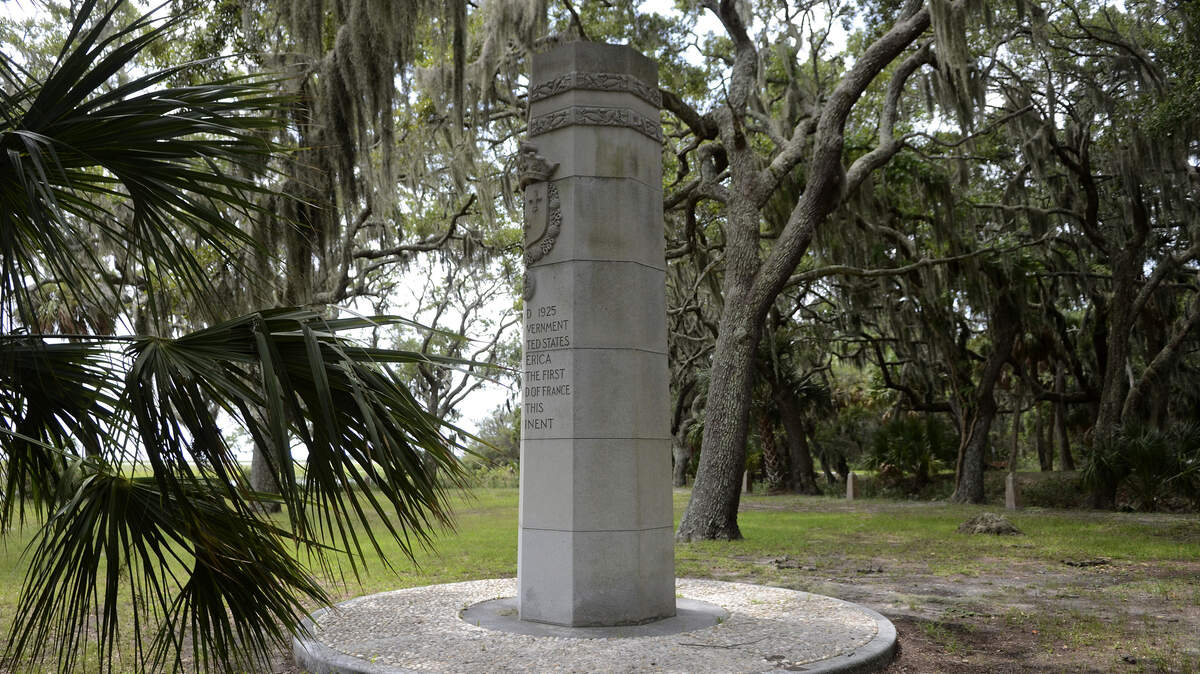
The Santa Elena Foundation wants to promote the history of the Spanish fort and city founded on Parris Island almost 450 years ago.
There are a couple of hitches, though: not a lot is known about the site and most of that information is scattered.
That's why foundation officials are bringing together six of the top Santa Elena scholars to Beaufort this week to begin a compilation of what is known and to establish a timeline to guide the work ahead.
Once that information is compiled and distributed, it could rewrite history.
"Political history has dominated," historian Paul Hoffman said, so the history of this country is "the history of the English speaking people, because that's where the political history we know starts -- in Jamestown."
The experts meeting this week bring varied perspectives and stores of knowledge, ranging from Chester DePratter, who is one of a handful of people who has excavated at Santa Elena to archivist and historian Karen Paar, who wrote a dissertation on women at Santa Elena to David Moore, who stumbled into Santa Elena research while tracing the route of Spanish explorer Juan Pardo.
Hoffman and former St. Augustine Foundation director Eugene Lyon share long careers of research into Spanish colonization, including publication of a number of books. Local historian and University of South Carolina professor emeritus Larry Rowland is also working with the group.
"All of American history started here," Rowland said.
Santa Elena began as a military outpost in about 1566 and was the first colonial capital of America in 1569, according to the foundation.
The nonprofit foundation intends to establish a center to highlight the history of the colonization of North America and of Santa Elena.
DePratter said he's waiting on the $220,000 approved by the state legislature to become available, so he and others at University of South Carolina's S.C. Institute of Archaeology and Anthropology can begin work on preserving and cataloging the information and artifacts already uncovered.
Additional work is planned and involves combing through copious archives in Spain, both in government and private collections. One of those collections is owned by board member Álvaro Armada Barcaiztegui, who is a descendant of the founder and first governor of Santa Elena, Pedro Menèndez de Avilès
Foundation executive director Andy Beall said the intent of the week's meeting is to have a more firm direction for the foundation and intended center.
Follow reporter Erin Moody at twitter.com/IPBG_Erin.
Related content:
- Santa Elena Foundation makes board addition, Aug. 11, 2014
- Spanish count, descendent of Santa Elena founder joins foundation, July 7, 2014
- Santa Elena Foundation hires first director, July 14, 2014
This story was originally published August 14, 2014 at 7:59 PM with the headline "Santa Elena experts compiling information to guide foundation's efforts."