
Mosquitoes likely to hatch in high numbers in Beaufort County next week
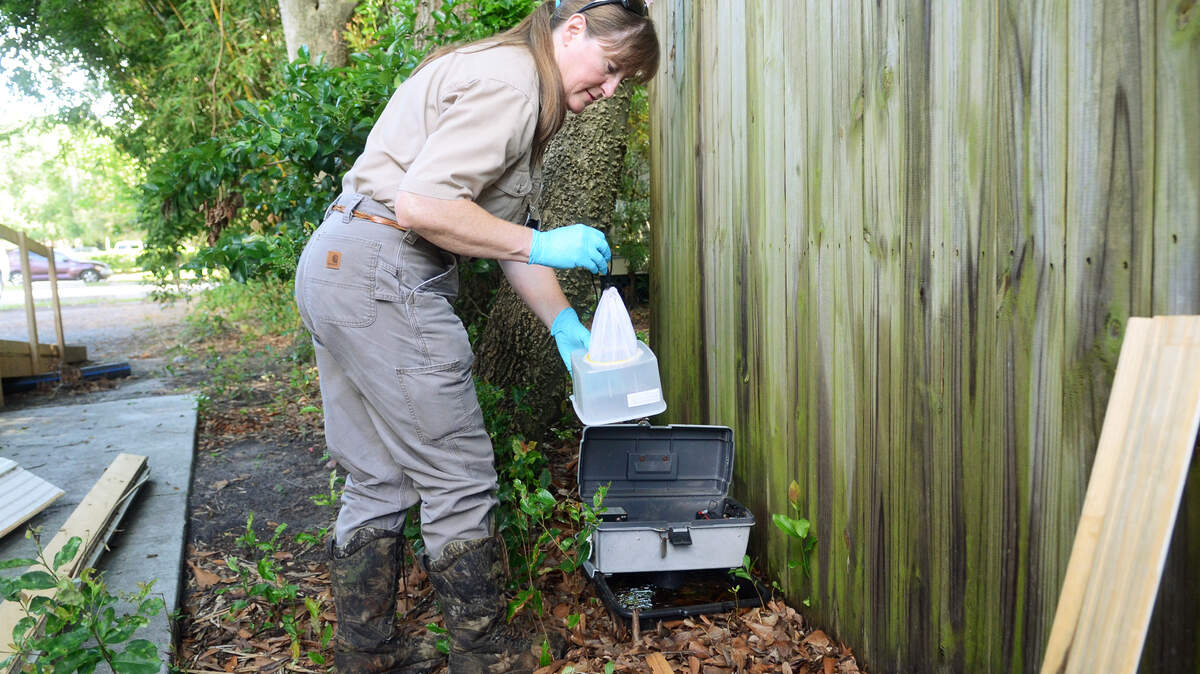
Mosquitoes could be swarming in Beaufort County by next week because recent higher tides, heavy rain and hot temperatures have made for prime breeding conditions, mosquito-control officials say.
Saltwater species of the insect thrive on high tides, and freshwater mosquitoes proliferate when heavy rains leave standing water, according to Beaufort County Mosquito Control director Gregg Hunt.
It takes at least seven days for mosquito eggs to hatch into larvae, then emerge as flying adults. So Hunt expects a significant increase in mosquito complaints by the end of next week.
So far, the county has seen a typical mosquito season, Hunt said.
Mosquito Control will focus aerial spraying this week over Rose Hill Plantation in Bluffton and over St. Helena Island, Hunt said.
Mosquito Control identifies hot spots by tracking phone and email complaints, by examining the amount of insects collected from strategically placed mosquito traps, and by counting the number of mosquitoes that land on an exposed arm in one minute in certain areas.
The types of mosquitoes that can carry West Nile virus or Eastern equine encephalitis can breed anywhere there is standing water -- in buckets left outside, clogged rain gutters, dishes under potted plants, pet bowls and birdbaths. Hunt said that's why it's important to clear out any standing water or change that water every week if left out for animals.
The S.C. Department of Health and Environmental Control has not confirmed any cases of West Nile virus or Eastern equine encephalitis among mosquitoes, birds, horses or people in Beaufort County this year.
West Nile was confirmed in a crow and two groups of mosquitoes in the county in 2013, but no cases of human transmission were reported.
Three cases of chikungunya, a mosquito-borne illness typically found in Africa and Asia, have been confirmed in S.C. residents -- one case each in Pickens, Lexington and Charleston counties. But all three contracted the disease outside of the country.
Chikungunya was first confirmed in the Western Hemisphere in December in the Caribbean. Hundreds of cases have since been confirmed throughout the Southern U.S. in people who had traveled to other countries.
On July 17, the U.S. Centers for Disease Control and Prevention confirmed a case in Florida, the first instance of the disease being acquired in the U.S.
Follow reporter Laura Oberle at twitter.com/IPBG_Laura.
Related content
- Beaufort County Mosquito Control website
- West Nile concerns prompt mosquito precautions, July 23, 2014
- Mosquito control might conduct aerial operations, July 20, 2014
This story was originally published July 23, 2014 at 6:53 PM with the headline "Mosquitoes likely to hatch in high numbers in Beaufort County next week."