
Cobia's dwindling numbers in Port Royal Sound alarm fishermen, DNR
Last week, a pair of fishermen did something unheard of among local conservationists.
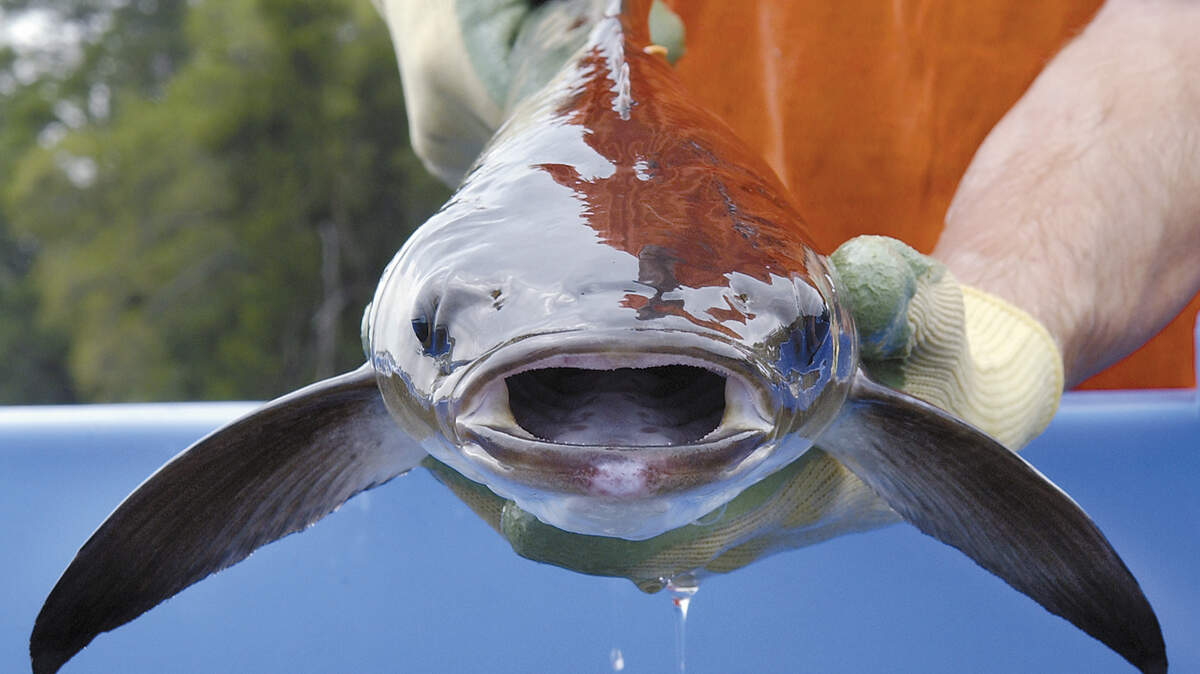
After four days on Port Royal Sound, they reeled in a 50-pound female cobia and hauled her away.
The fish was not destined to be a trophy or a meal.
With a little luck, it will be a species savior.
The fisherman who organized the trip, Collins Doughtie, an Island Packet and Beaufort Gazette columnist, promptly delivered the female, named Alice, to the Waddell Mariculture Center in Bluffton.
That center helps study and spawn members of the much-depleted Port Royal Sound cobia population. Capt. Miles Altman of Bayrunner Fishing Charters also donated a younger male, named Smiles, to the center.
The Port Royal Sound variety are an anomaly among their species, which generally spawn in deeper waters. However, the S.C. Department of Natural Resources and fishermen alike say they've noticed drastic reductions in the number of fish spawning inshore each year.
Just last month, the Sun City Fishing and Hunting Club held a tournament in Port Royal Sound, and no one on 10 boats was able to catch a single cobia, according to Waddell director Al Stokes.
Research suggests the club experienced more than bad luck.
While DNR released only about 60,000 cobia into the sound between 2004 and 2009, the agency has found its own fish make up about half of the cobia caught each year. That means the number of wild Port Royal Sound cobia have dwindled fast, and researchers are left with few specimens to repopulate with.
Michael Denson, director of the Marine Resources Research Institute in Charleston, says he would like to see the DNR-spawned fish make up about 2 percent of the overall population.
"But that's just not what we have," he said. "We have a small population, and it's fished pretty hard."
The research institute has been handling the testing and spawning of local cobia while Waddell undergoes a major renovation.
Alice, Smiles and three other males are at the center now. If DNA tests determine they are wild rather than siblings, the institute could produce and release about 50,000 young fish, according to Denson.
However, he says, more must be done to protect the population from dying out.
DNR has proposed several plans to increase fishing regulations, which currently limit catches to two fish per person per day.
To rebuild the fishery's health over six years, DNR argues, the state could further limit catches to one fish per person per day.
The state could also increase the minimum size of a keeper -- which is currently 33 inches -- limit the maximum size of a cobia to 39 inches, or open the season about one month late on May 21.
DNR plans to survey charter and recreational fishermen on their preferred plans and present the best option as part of the agency's recommendations for the next legislative session.
A new law could be in place before next season, Denson said.
Several local charter captains said they have already been holding clients to one fish per person and would like to see even stricter regulations.
"I would shut the fishery down completely for at least five years," says Charlie Beadon of Hilton Head Fishing Adventures.
Beadon said the sound used to be the cobia mecca of the East Coast, though it didn't take long for recreational and charter fishermen to wipe it out.
"Now that there's no fish, everybody's whining and complaining and wanting to know where they're all at," he said. "I just look at them like, you killed them all."
Those "weekend warriors" pack people into their boats and kill the maximum number of cobia each day, said Chip Michalove of Outcast Sport Fishing. However, even among charter fisherman, there has been heated discussion about the prospect of new laws.
"It's a very sensitive subject," he said. "It's created a lot of conversation and a lot of disagreements."
Doughtie, who hopes to encourage anglers to release large cobia over 43 inches, has been trying to raise awareness of the issue by distributing free decals that read: Over 43" Set 'Em Free!
"Two per person is crazy," he said. "One fish is enough to feed 20 people. There's a lot of greed going on.
"The mentality's got to change or the law's got to change, and it's got to be done sooner rather than later, or it's going to be too late."
Follow reporter Rebecca Lurye on Twitter at twitter.com/IPBG_Rebecca.
Related content:
- Doughtie: Taking it upon myself to help the cobia, May 31, 2015
This story was originally published June 2, 2015 at 5:26 PM with the headline "Cobia's dwindling numbers in Port Royal Sound alarm fishermen, DNR."