
Richardson: Foothold on the frontier: A visit to Colonial Dorchester State Historic Site
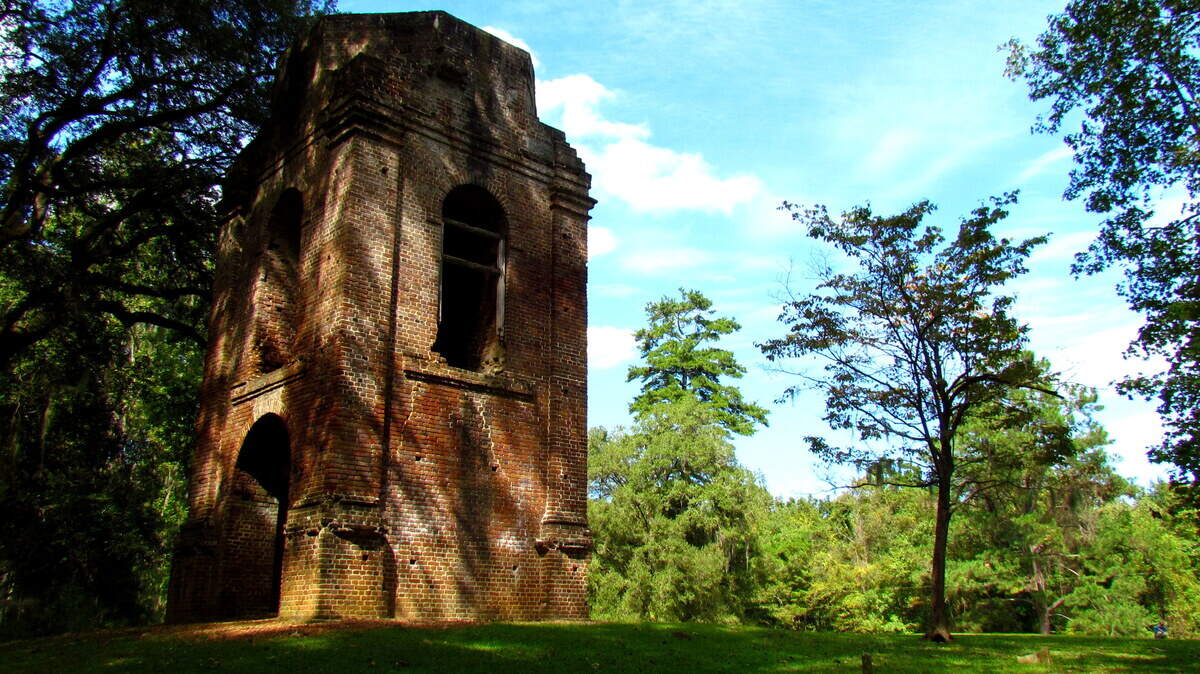
A stately, crumbling church tower stands on the edge of a palmetto and tupelo swamp.
The black waters of a Lowcountry river slide quietly past the cracked oyster-shell walls of an abandoned fort.
The yellow fire of a Prothonotary warbler darts among magnolia and the thin, vine-like form of a rough green snake slowly unravels toward the forest floor to seize an unsuspecting beetle.
You have driven past brick gate posts and into the green expanse of the old settlement of Colonial Dorchester State Historic Site where a day of discovery and enjoyment awaits you.
In 1697, South Carolina was a wild, forbidding place to newly arrived colonists. Inhabited by wild creatures, vast blackwater swamps and uncharted paths into the interior of a new continent brought the horizon to the very doors of the new settlement of Charles Towne.
Twenty miles up the winding, tide-pulled Ashley River, a town was laid out. Puritan colonists named it Dorchester after their home in England and trade with the nearby Native Americans began in earnest. For over fifty years the town grew and Dorchester became a gateway for people moving westward to settle and trade flowing east to the sea.
A fort was built under the shadow of a war spread from Europe and a tall Anglican church, the Parish Church of St. George, was constructed in the English style to command it all. In time, the wars, the tide of migration and even the swamp itself saw Dorchester diminish. By the end of the American Revolution, the town was in ruins and never fully recovered.
In time the bricks of the church and other material were dug up and used in the new, bustling settlement of Summerville nearby. The land was obtained by the state and opened as Colonial Dorchester State Historic Site in 1960. It was placed on the National Register of Historic Places in 1969.
Colonial Dorchester State Historic Site is an hour and forty minutes from Bluffton and a very enjoyable place to visit.
When you arrive, you will be greeted by the contrast of English brick and tabby walls against a backdrop of moss-covered trees and tangled forest. A self-guided walking tour takes you to the edge of the quiet river where at lower tide you can glimpse the ancient pilings of a dock and wharf where trading vessels and ships from the ocean could dock and unload goods from the far side of the world.
The path will guide you to the walls of oyster shell where a tabby-constructed fort still stands. Built in 1757 as the French and Indian War raged along the ever-expanding frontier. The remains of the old town reveal several archaeological dig sites and indeed Colonial Dorchester State Historic Site offers many different interpretive programs for visitors to experience this firsthand. The church was built in 1719 and the tower added in 1751. This monument is all that remains and though it bears the scars of war, storm and even the earthquake of 1886, it is still majestic.
History abounds at Colonial Dorchester State Historic Site. It crunches underfoot and whispers to you. A cemetery stone in the churchyard bears scars. Legend has it British soldiers used it for preparing meat during one of the many encampments the town endured from patriot and invader alike.
Whether enjoying a day to get away or experiencing one of the interpretive programs, Colonial Dorchester State Historic Site is a reminder that the wilderness once came up to your door here in the Lowcountry and a frontier of discovery still awaits.
Getting there
Colonial Dorchester State Historic Site is located at 300 County Rd. S-18-373, in Summerville. It is a little over an hour and forty minutes from Bluffton, but an easy ride up U.S. 17:
Take S.C. 170 to Beaufort and U.S. 21 N to U.S. 17.
Take 17N for 36 miles and turn left onto SC 165 for fifteen miles.
Take SC-165 for 1.3 miles.
At 1.9 miles, turn right onto County Rd. S-18-373 and the entrance to Colonial Dorchester State Historic Site.
The site is open year round during daylight hours and closed Christmas Day. There is a $2 admission fee for adults but there is a senior discount and children under 15 are free. There are full restroom facilities and plenty of restaurants and other conveniences nearby in Summerville.
For more information on events, programs or questions about the site, visit http://www.southcarolinaparks.com/colonialdorchester/ or call 843-873-1740.
Experience living history
December is a busy month at Colonial Dorchester State Historic Site -- ranger-led guided tours, historic interpreters demonstrating life in a colonial village and other opportunities to see, hear and taste what life was like in South Carolina's colonial past.
Colonial Dorchester State Historic Site offers a window into colonial life simply because it was abandoned so long ago and barely disturbed for nearly 200 years. Development nearby saw bricks and other materials removed but a snapshot of colonial life exists in the soil beneath and in the lines of habitation that remain.
Historic re-enactors and knowledgeable staff bring past times alive and it is not difficult to imagine a once-bustling trading town filled with promise and world travelers.
For more information on interpretive programs and events, contact the park at 843-873-1740.
Bluffton resident Matt Richardson enjoys taking day trips with his family and exploring the Lowcountry. To see more pictures from his adventures, go to www.Flickr.com and search on the username "greenkayak73." He can be reached at greenkayak73@gmail.com.
This story was originally published December 15, 2015 at 3:18 PM with the headline "Richardson: Foothold on the frontier: A visit to Colonial Dorchester State Historic Site."