
Nature, in the garden and in the river: It’s all tied together
Fishing isn’t all I do, especially during this horrible pandemic period. I will admit that it takes up a pretty good chunk of my time but when I’m not out on the water, chances are I can be found covered in dirt and covered with sweat as I work in my gardens.
Actually, it was while I was gardening that I had a revelation of sorts. What struck me most about the analogy that I am about to describe was that I had never thought of it before. So what do the plants in my garden have in common with fish, shrimp and all the other critters in our waters? My answer to that question is: everything.
Starting at the beginning, I always plant my gardens around the first of March and I almost always start from seed. Sure I could buy small plants at some nursery but the satisfaction isn’t what it is when I begin with seed. The mortality rate is much greater with the seed approach but for those that do survive there is no greater satisfaction when I go outside after two or three months and see this towering beauty.
Just like seeds, fish and shrimp start out just about the same time as microscopic organisms and, talk about a high mortality rate, those poor little buggers don’t have my nurturing touch like seeds do. Conservatively speaking, my guess is one in 5,000 makes it through that same three-month period. Are you with me so far?
As I continued on pruning flowerbeds and the like, I started thinking about shrimp. Just the day before a buddy of mine asked me if I had run across any big shrimp and I said no. Just like some of the varieties of flowers I had planted, they were just now beginning to put out buds.
Likewise, right across the May River from my house in Bull Creek I had been checking on the size of the shrimp whenever I went fishing at low tide. Tilting my outboard up, I would closely parallel the bank and watch the wake my boat made. As the propeller stirred up the mud, shrimp by the thousands would skitter across the surface of the water. Also like my flowers, as each week passed, the shrimp that took to the air would grow just a tiny bit more. The parallels between these two things in nature were so close. Again, I wondered why I had never before noticed it.
Like my love of the water and, in particular, fishing, I started gardening when I was very young. I think I was the only one of the five kids in my family who took any interest in gardening. My folks recognized my interest in plants and instead of hiring gardeners, I did all the planting and caring for the plants around our house beginning at age 11 or 12. It never occurred to me that maybe, just maybe, it was because of the close similarities between things that grew in the ocean and the things that grew in the ground.
Knowing that I was going to attempt to write this column and hopefully make some sense, I rode over to the Waddell Mariculture Center after dark with Waddell’s former director Al Stokes to see how the cobia that they had started from eggs were doing.
They use “brood stock” female cobia caught in Port Royal Sound and a few male cobia from the same area for fertilizing the eggs, and I was curious to see how this breeding experiment was going. Because they are born in captivity, the mortality rate is far below cobia born in the wild and, like my seeds that I nurtured, I couldn’t wait to see the fruits of Waddell’s new staff’s labor.
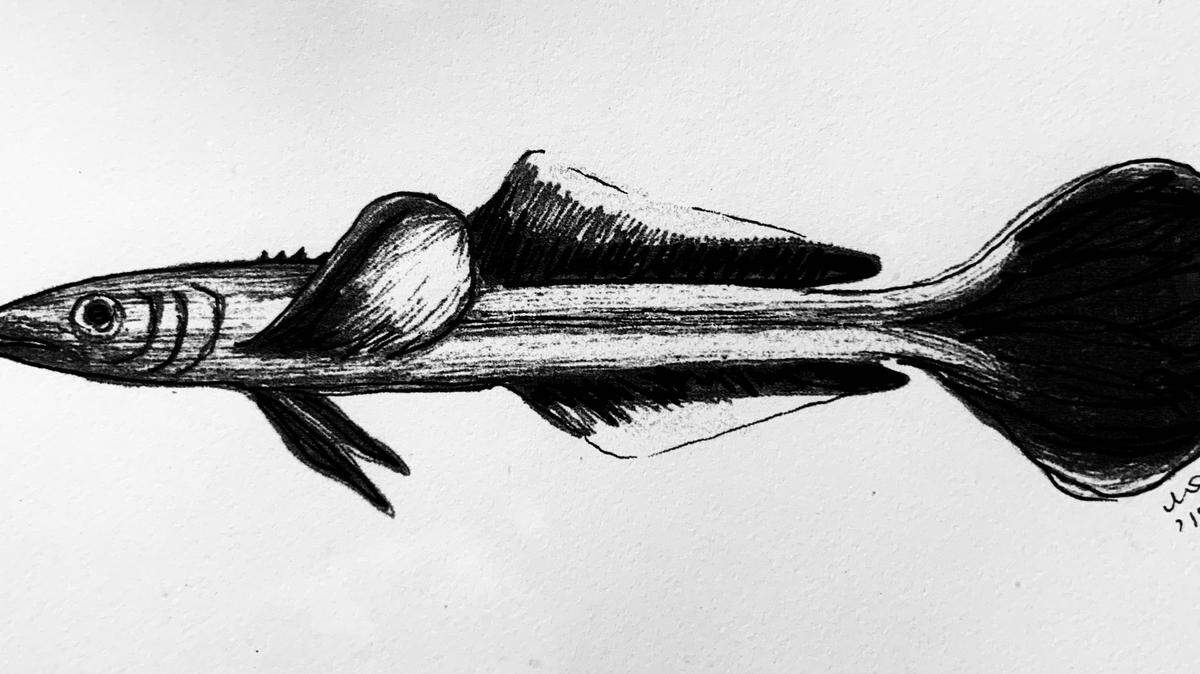
If you are wondering why we went at night, it is because just-hatched cobia are not only tiny but look nothing like an adult. Using a bright flashlight to attract tiny marine organisms to the surface, it is a waiting game. After a few minutes, tiny, and I mean tiny, creatures with fan tails began feasting on the critters the light had attracted.
“There they are!” exclaimed Al. For any one of you that have caught, or for that matter seen, a cobia, these little guys look nothing like their parents. No forked tail but instead a large fan-like tail like you may see on a Beta fish folks keep in an aquarium.
Talk about a fast growth rate, in the same time it takes me to get a mature plant from a tiny seed, the growth rate of cobia are right on par with those plants. Nature has a plan all right and it all came to me while I played in the dirt. Who would have thunk it?
Red snapper
Speaking of the Waddell Mariculture Center, they are asking the public to help them out with their red snapper studies.
A special red snapper season will be open for four days, beginning on Friday, July 10, running through July 12 and again on Friday, July 17. The limit is one snapper per person per day with no minimum size limit.
What Waddell needs are the carcasses of snapper you might catch for age studies and other scientific data. The drop-off location will be a very large white cooler in the small dock house located at the top of the north ramp at the boathouse docks.
Take five minutes of your time and drop off those carcasses so you can help out the folks at Waddell.
One last note about this snapper season. Get in on the “Snapperfest 2020” snapper tournament to benefit two great causes. For information go online to www.snapperfest.com or to register, e-mail hhisnapperfest@gmail.com.