Cup owner says NASCAR ‘had us over a barrel’ in charter deal, shows fiscal losses
AI-generated summary reviewed by our newsroom.
- Bob Jenkins testified that NASCAR pressured teams to sign the 2025 charter negotiations.
- Front Row Motorsports, owned by Jenkins, has never turned an operating profit in NASCAR.
- Plaintiffs allege NASCAR monopoly; trial probes charter terms and more.
Bob Jenkins may not have been demonstrative in his tone, but the owner of one of the plaintiff Cup Series teams had a notable flair when expressing how NASCAR treated its teams during charter negotiations.
Perhaps the one that will endure — and is most relevant to the case:
“They had us over a barrel.”
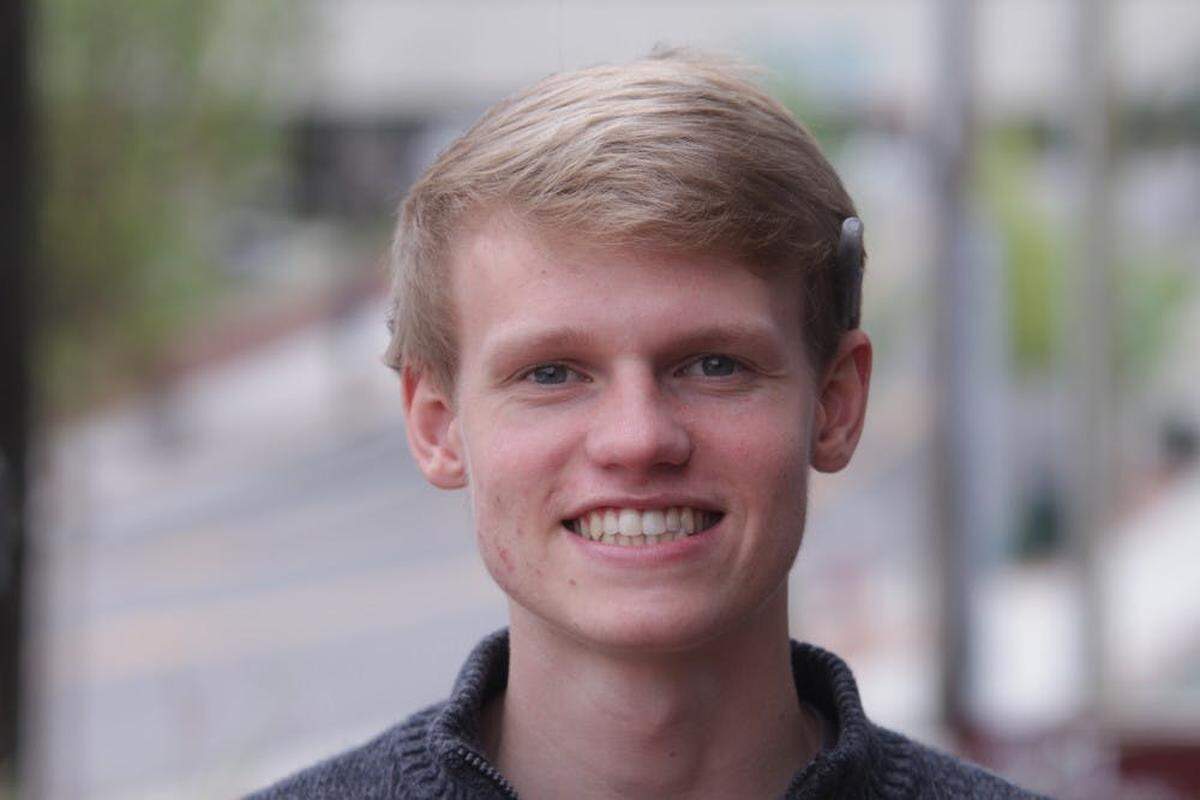
Jenkins is the principal owner of Front Row Motorsports, which joined 23XI Racing as plaintiffs in the antitrust lawsuit in October 2024 that asserts NASCAR operates as an unlawful monopoly. And on Wednesday, the third day of the potentially paradigm-shifting trial at the U.S. District Court for the Western District of North Carolina in uptown Charlotte, Jenkins took the stand as a witness and was questioned for 2½ hours.
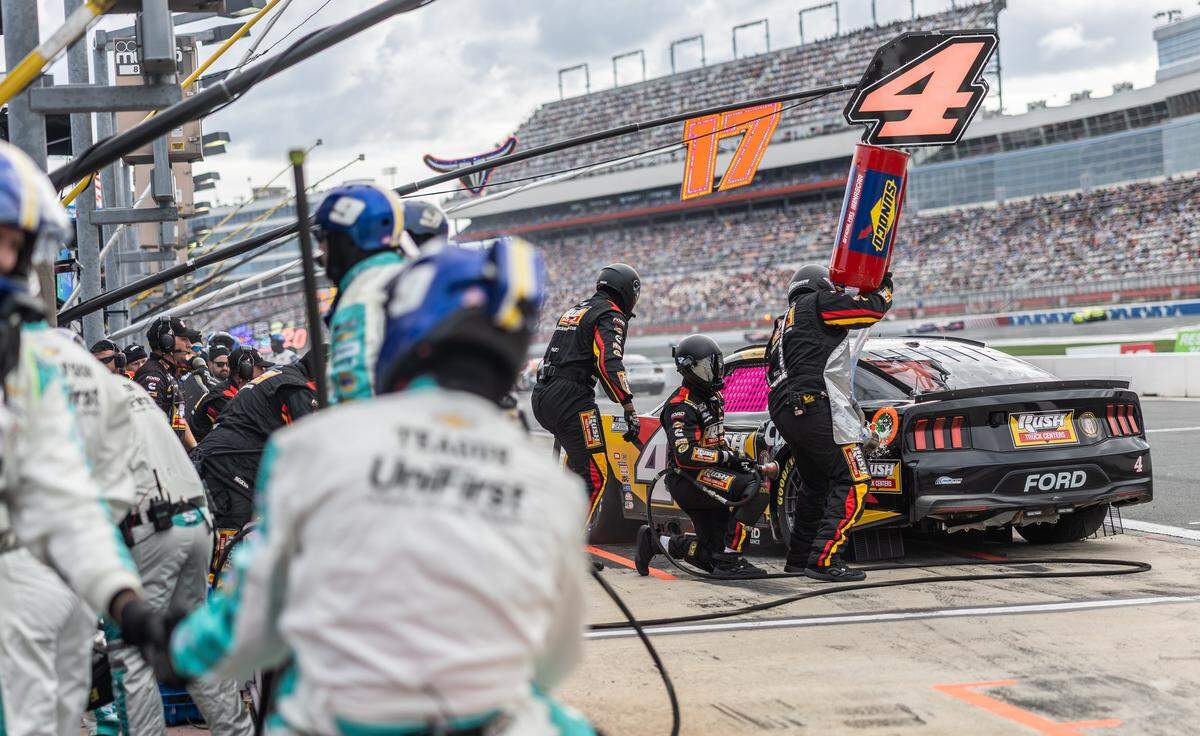
The primary topic of his lines of questioning dealt with Jenkins’ assertion that NASCAR used anti-competitive methods to earn favorable terms in the 2025 charter negotiations. Charters, for simplicity’s sake, can be considered similar to “franchises” for NASCAR; teams that have charters have certain protections and benefits, most prominently that chartered teams have guaranteed entry into every race and thus a portion of each race’s purse.
The charter system was established in 2016. The agreement was set to expire in 2025, and thus terms of the new agreement needed to be negotiated. Teams wanted a variety of things. Most important: “permanent” or “evergreen” charters that would be owned by the teams rather than, as the plaintiffs put it, “leased” by the teams from NASCAR over the span of a charter agreement. NASCAR asserts that charters were never intended to be franchise agreements but rather a contract agreement, which allows for business flexibility.
Such a disagreement, among others, intensified the negotiations. And then came early September 2024, a month Jenkins highlighted in his time on the witness stand.
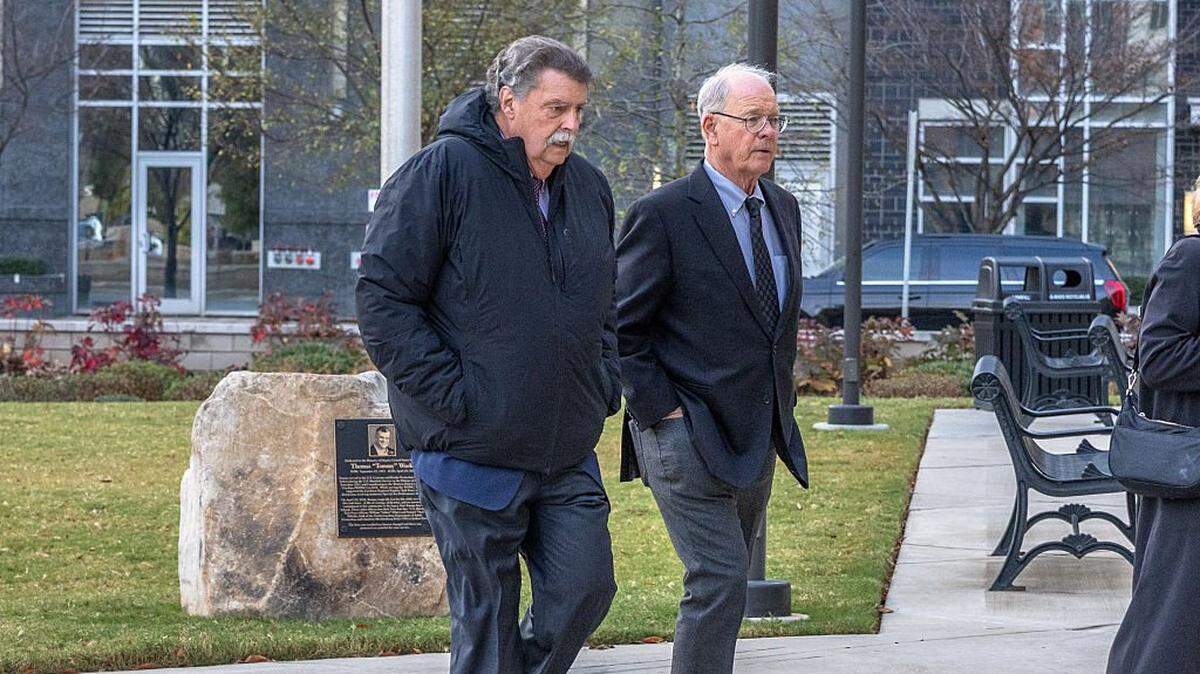
Jenkins said that on Sept. 4, 2024, a group of owners including Jenkins himself offered to fly to Daytona Beach to meet with board chairman and CEO of NASCAR Jim France. Jenkins said France declined the meeting. Then, two days later on a Friday evening, Jenkins returned from dinner with his parents to find that his phone had been inundated with texts and emails, all of which dealt with the notice that NASCAR had sent out a final draft of the 2025 charter agreement, which they were requiring teams to sign by midnight.
Jenkins said he was “honestly hurt” at the out-of-the-blue request. He said he sent out calls to several other owners he considered to be friends, including Joe Gibbs and Richard Childress. Jenkins said that “not a single one” conveyed to him that they were “happy to sign them.” According to Jenkins’ testimony, Gibbs expressed that he felt he’d let Jenkins down in signing the agreement; Jenkins understood, however, because all the chartered teams — particularly the large teams — had invested millions in race shops, had ongoing relationships with manufacturers that needed to be upheld, and, simply “couldn’t have risked everything they’d worked their whole lives for” in refusing to sign the agreement and thus forfeiting their charters.
Jenkins took issue with several parts of the 2025 charter agreement, beyond the fact that he believed the teams needed permanent charters to draw in investors. He also despised the fact that NASCAR eliminated the “three strikes rule,” which essentially gave Cup teams a way to check NASCAR if it repeatedly disagreed with implementing a certain set of rules. In Jenkins’ unique way: “I call it taxation without representation. That’s exactly what it is.”
That’s what led him to teaming up with Michael Jordan and Denny Hamlin of 23XI Racing in the lawsuit in October 2024 and this trial 14 months later.
Jenkins also said on the stand that “this is not about bashing the France family,” and that he admires the family’s “entrepreneurial spirit” and that over the years — particularly as a near-lifelong NASCAR and Dale Earnhardt fan from rural east Tennessee — the France family has had a lot of “good ideas.”
But as it relates to the charter agreement: “This isn’t one of them.”
Jenkins explains how hard it is to make money in NASCAR
The entrepreneur with various business affairs — among them an empire of fast-food franchises, including 400 Taco Bells — also opened his books to his NASCAR-related finances. He did so to illustrate how expensive an endeavor it is to be in the NASCAR Cup Series.
Those books revealed that in 22 years of NASCAR ownership — 19 as a full-time member in the sport’s premier Cup Series — he’s never turned an operating profit on his race team. And it’s “not for malpractice,” Jenkins said, citing his other business ventures, including Charter Foods. Operating profit, of course, is a key term; Jenkins has purchased, leased and sold charters once the charter system was established in 2016, which allowed for some capital gains that are not reflected in his year-over-year bottom lines.
His net incomes, according to a chart displayed to the jury:
- 2021: -2,824,668.69
- 2022: -7,977,187.20
- 2023: -5,685,938.48
“From the middle of the pack on back, that’s not happening,” Jenkins said of turning a profit. He added, “I don’t know if any team like (ours) had any prosperity.”
So why stay in it?
Jenkins replied that beyond the fact that he’s loved the sport nearly all his life, he sees a lot of potential in owning a professional sports team.
“I think once we get it right, NASCAR teams will be profitable,” he said.
NASCAR’s response to Bob Jenkins’ testimony
NASCAR’s attorneys began cross-examining Jenkins before court broke for the day, but did not complete their questioning. NASCAR will resume cross-examination Thursday. Hearings start at 9 a.m. and end around 5 p.m. each day.
The trial, which started Monday, was originally slated to take two weeks.
NASCAR’s line of questioning during cross-examination highlighted numerous topics. Among them:
- Jenkins, despite what the team’s operating losses showed, still found ways to make money in the sport of NASCAR through the leasing and sales of charters.
- Defendant attorneys also underscored the benefits that come from occasionally using his Cup cars to advertise for one of the chains owned by his family’s food business, Long John Silver’s.
- Attorneys also asserted that Jenkins was a bit hypocritical when saying that he is fighting for $140 million in damages for his race team when, on occasion, he doesn’t pay his drivers. On multiple occasions — including for emerging driver talent Chandler Smith — drivers themselves have paid to use his equipment to race. Jenkins said he was just executing a contract in those specific instances, and as for the $140 million, he’ll leave that explanation up to the financial expert who will be called as a witness.
Other notes from Day 3 of NASCAR trial
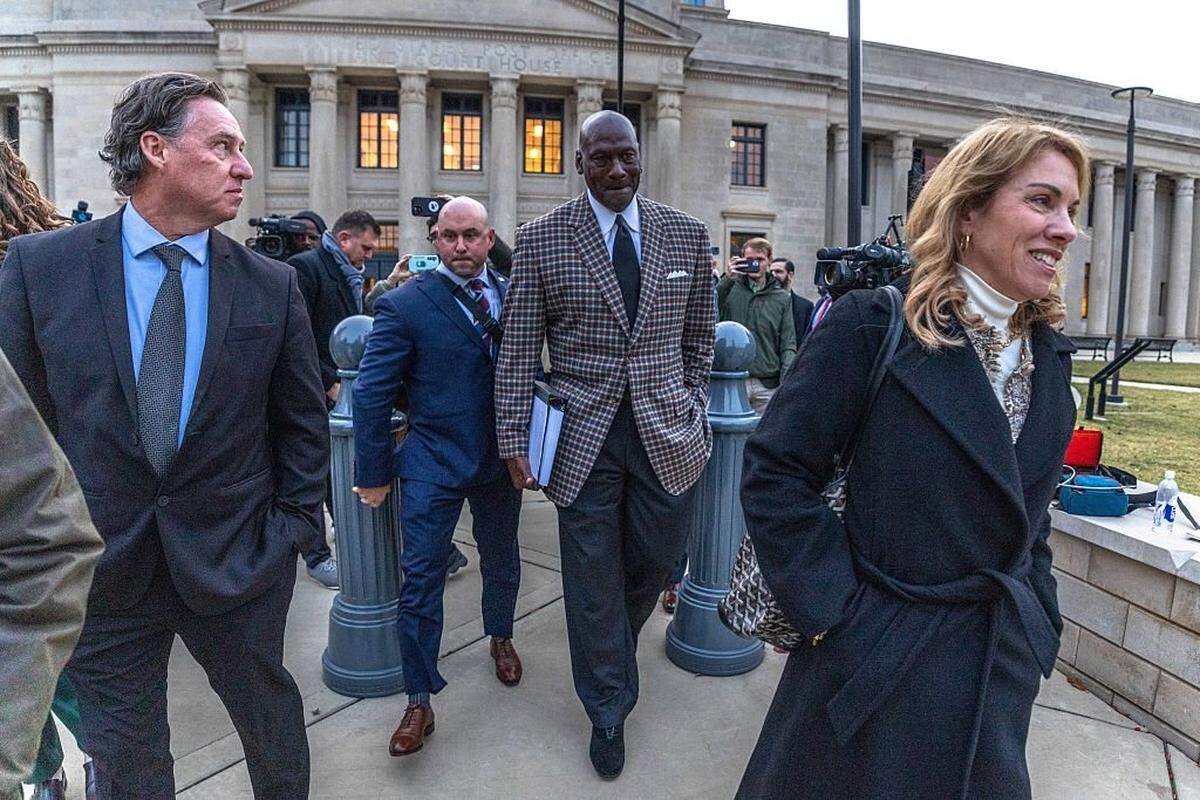
—Jenkins has advocated in emails that NASCAR reduce the field of competition to prevent the dilution of money to teams trying to win races and make money ethically in the Cup Series. When pressed by NASCAR’s legal team that such a desire conflicts with NASCAR’s roots, Jenkins said that the sport has changed and there’s no point in having some teams spending hundreds of millions of dollars annually on their racing product when others might just come to be a part of a race and take a slice of the financial pie. At one point during his explanation on this point, which made 23XI Racing co-owners Hamlin and Jordan laugh, Jenkins said: “This ain’t the county fair.”
—Jenkins took issue with the insinuation from NASCAR officials, including witness and executive vice president Scott Prime, that NASCAR first awarded the charters in 2016 “for free.” Jenkins clarified that one of the requisites to being eligible to earn a charter in the first place was to compete in every Cup race the last two years — an expensive undertaking. He said hearing that Wednesday was “a little hard to swallow,” adding: “They didn’t ask us for a check, for sure. But the check was already written.”
— Once the jury had left for the evening, Judge Kenneth Bell informed both legal teams that the defense had twice violated agreements of what it can and can’t bring to light in court. One was an attempt to delve into Jenkins’ non-NASCAR revenues. Bell reminded both legal teams that such transgressions “will not occur again without significant downsides.”
—One moment of levity: During his examination by plaintiff lawyer Jeffrey Kessler, Prime admitted that he had “never read the entire NASCAR rulebook.” Kessler responded in jest: “I don’t know anyone who has!”
This story was originally published December 3, 2025 at 8:37 PM with the headline "Cup owner says NASCAR ‘had us over a barrel’ in charter deal, shows fiscal losses."