3 things to know about NASCAR’s antitrust lawsuit hearing this week in Charlotte
The ongoing antitrust lawsuit between NASCAR and two of its premier race teams will soon hit another milestone in Charlotte.
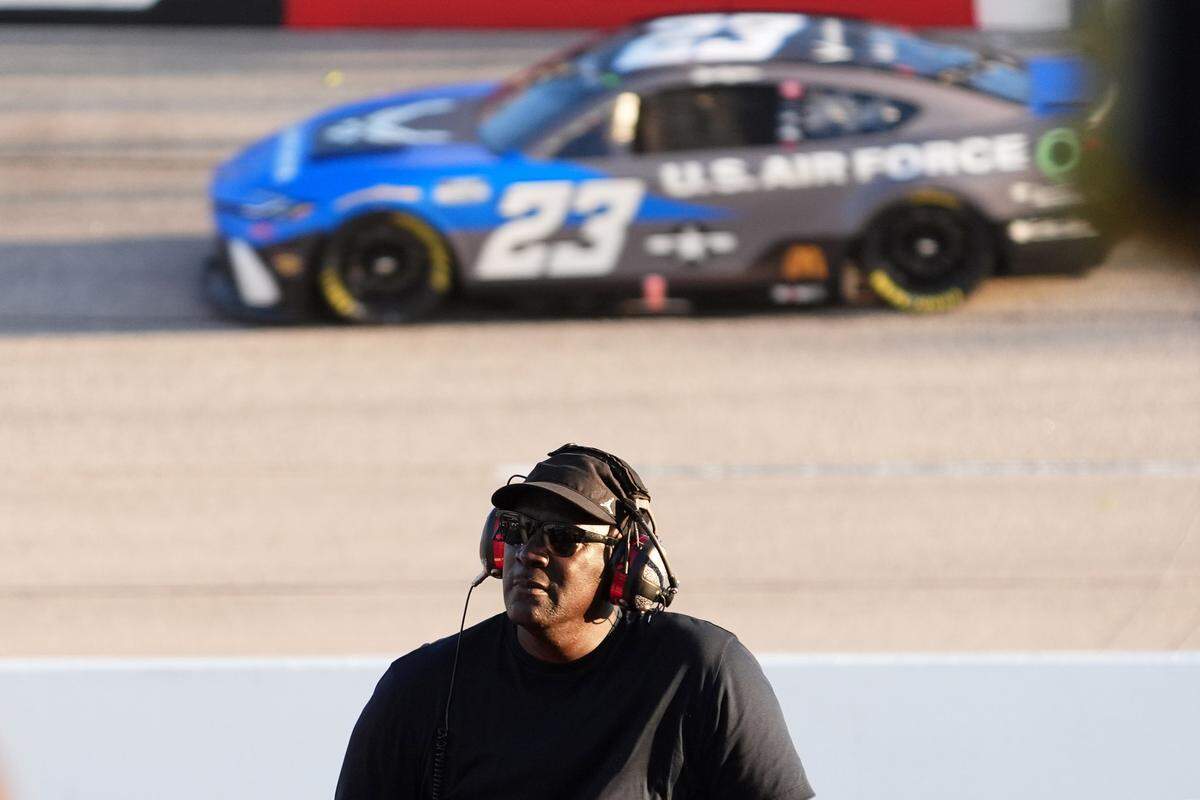
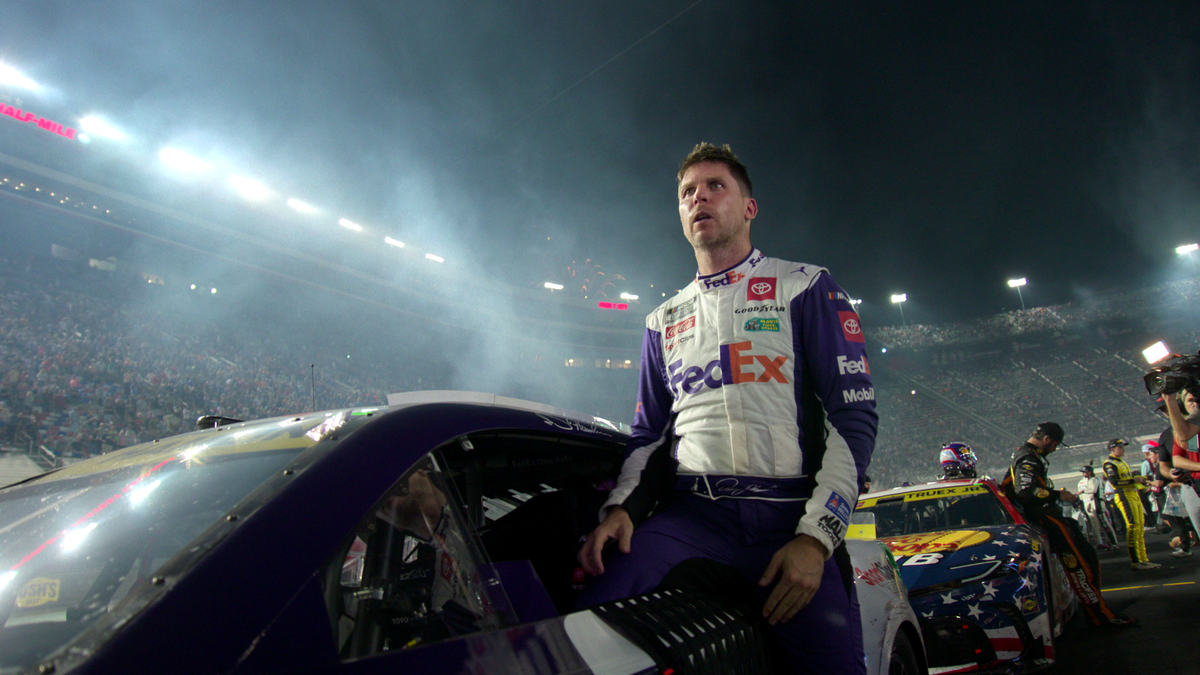
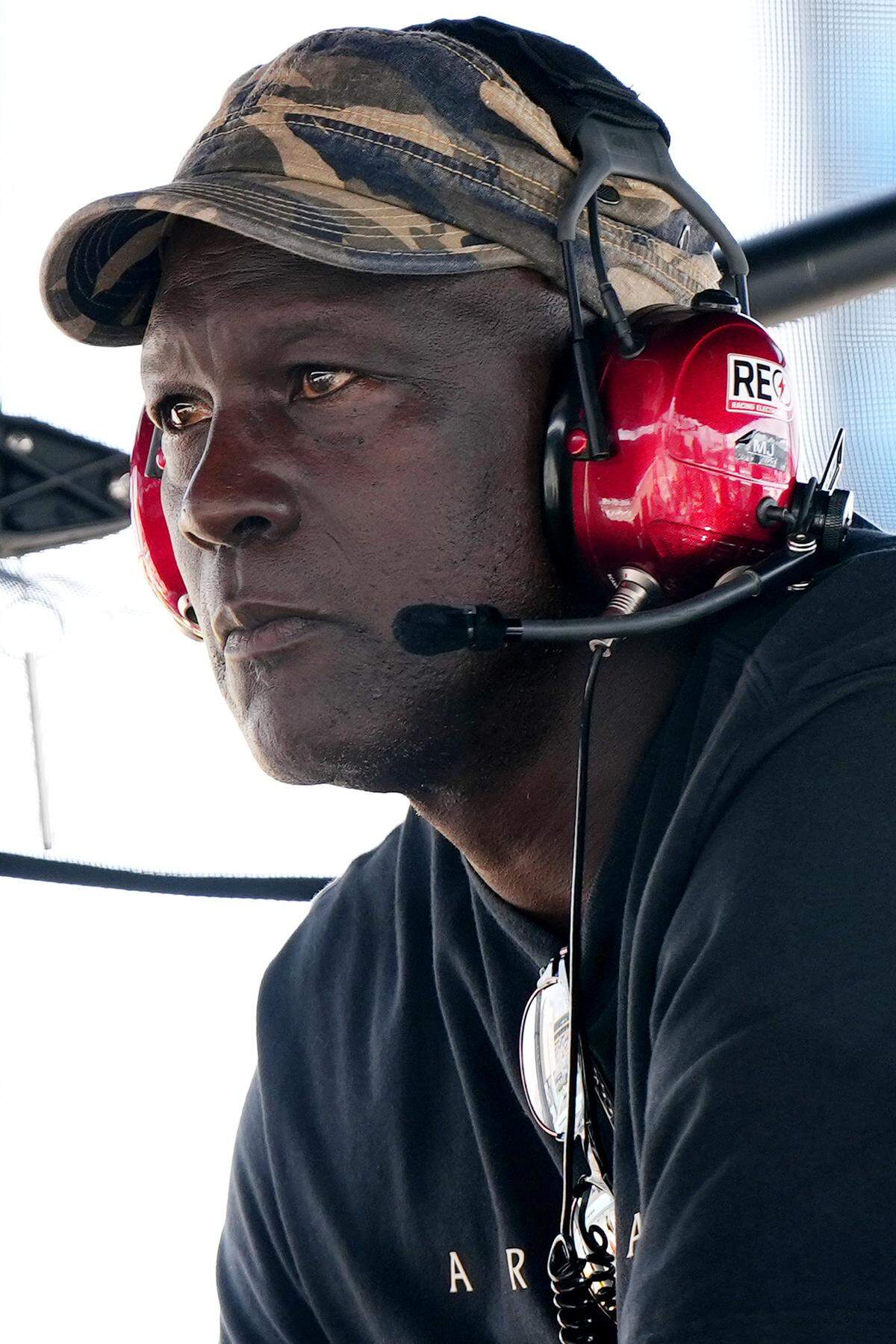
Front Row Motorsports and 23XI Racing — two teams that race on the NASCAR Cup Series circuit, the latter of which is co-owned by Cup star Denny Hamlin and sports icon Michael Jordan — will appear in front of federal district judge Judge Kenneth Bell on Thursday in Uptown. The teams’ request: to be protected by NASCAR’s current charter agreement as the lawsuit continues.
Thirteen of 15 NASCAR Cup Series teams signed on to the new charter agreement in September. Cup teams with chartered status are essentially franchises of the “league” of NASCAR; they earn a bevy of benefits, including guaranteed entry in every race and thus a slice of each race’s purse.
The two teams that did not sign onto the new charter deal were 23XI Racing and Front Row Motorsports. Instead, they went on to sue NASCAR for being a monopoly — arguing that the sanctioning body owns a majority of the country’s big racetracks it uses and that it mandates that teams purchase cars and parts from exclusively NASCAR-approved suppliers, among other things.
Despite not signing onto the current charter agreement, 23XI and FRM argue they still should be allowed to compete with the protections chartered members have until the trial in December to prevent “irreparable harm” to the teams before a decision can be made.
Here are three key points you should know to get caught up before the hearing on Thursday, which is three days before the Cup Series playoff opener at Darlington Raceway.
This is not the first time the teams have made such a request
Since the teams filed this antitrust lawsuit in a Charlotte court in October, the teams have made multiple separate preliminary injunction requests to be protected with chartered status. The reasoning has consistently been that if they aren’t racing with charter status — and thus have to qualify for each race separately as “open cars” — it will do irreparable harm to their race teams even before the lawsuit is decided in the 2025-26 offseason.
This latest request comes because the teams found new evidence during discovery that increases their likelihood of success at trial, according to court documents.
NASCAR denies the “irreparable harm” claim. The entity restated in a 34-page filing to the Western District of North Carolina court last week that 23XI Racing and Front Row Motorsports can race as open teams without charter rights, which was their own decision.
NASCAR went further, too, stating that the preliminary injunction cannot be granted because, “Plaintiffs cannot establish a likelihood of success at trial.”
“Plaintiffs’ claimed market conflicts with every court of appeals decision addressing market definition in motorsports,” the NASCAR filing reads. “Neither Plaintiffs nor their experts identify any motorsport competitor ever excluded by NASCAR. ...
“The law requires a monopsony plaintiff to show actual exclusionary conduct that allows a buyer to reduce the amount it buys in order to depress the price it pays. The opposite is true here.”
In the filing, NASCAR then lists a few ways in which NASCAR has “repeatedly agreed” to enhance the deal for charter holders. Among those ways: giving charters away for free at the advent of the charter system in 2016; increasing annual payments by 62% to the teams for the 2025-31 period; and that NASCAR “pays a higher percentage of its operating income to charter teams than Formula 1 pays to its teams.”
The teams wrote in a separate 21-page filing Monday rebutting many claims, including the final claim that it “doesn’t have monopsony power merely because it increased the amount it paid to the teams in the 2025 Charter Agreement.”
“The relevant issue is not whether NASCAR agreed to a higher payment but whether it exercised monopsony power to impose terms on the teams below those that would be present in a competitive market,” the teams wrote.
NASCAR argued the teams shouldn’t be granted charter protections
Another reason NASCAR doesn’t agree with the teams’ preliminary injunction request, according to court records? Because the sanctioning body must start the process of selling the six charters — three from 23XI Racing and three from FRM — immediately.
Such an argument is similar to what NASCAR made to the U.S. Court of Appeals earlier this year; that court on July 17 overturned a previous injunction and made it so the teams would need to race with open cars.
As NASCAR states in its filing last week:
“It would harm NASCAR, current Charter holders and other stakeholders, such as media partners, to prevent NASCAR from letting existing Charter holders to bid to acquire the Stewart-Haas Charters, or from working with organizations eager to enter the Cup Series,” the filing reads.
FRM and and 23XI each purchased their third charters after SHR bowed out of NASCAR in 2024.
“There are many eager potential entrants who want to obtain Charters, including organizations from other motorsports who recognize the value that NASCAR offers and want to help grow the sport for the betterment of fans, media partners, tracks, NASCAR and Charter Teams,” the filing continued. “To be ready for the first race of the 2026 season — those potential entrants need to arrange their businesses now, and cannot delay until 2026.
“Accordingly, the Court should deny Plaintiffs’ motion, so that the 2026 Cup Series is not irreparably harmed.”
The teams fired back against these claims, however, Monday.
“If NASCAR is permitted to immediately carry out its plan to sell the charters that Plaintiffs have been seeking to preserve, including the two charter agreements that Plaintiffs purchased from Stewart-Haas ... Plaintiffs will not be able to compete in the Cup Series next year on economically viable terms,” the teams wrote. “The only way to preserve the status quo through trial, and prevent this irreparable harm from occurring, is to preclude NASCAR from carrying out this retaliatory threat.”
The teams also made clear that “NASCAR’s claim that it will suffer severe harm if an injunction is granted” is not “legally cognizable or factually supported.” Part of the reasoning for such a claim appears to be redacted in the teams’ filing.
A settlement out of court still doesn’t look likely
Chris Yates, the attorney representing NASCAR, told The Charlotte Observer in March that he doesn’t “see a great path” to settling this lawsuit before it goes to trial in December.
“(There is) a misconception out there that what’s happening here is the litigation will force a renegotiation,” Yates said at the time. He added, “I just want to make clear that that’s not going to happen.”
NASCAR doubled-down on this assertion in its filing last week.
“Just because 23XI and FRM did not get everything they wanted (in the charter agreement), does not mean there was an antitrust violation,” the document read.
It has long been the position of NASCAR that 23XI Racing and Front Row Motorsports are trying to transform this case from a legal battle into a business negotiation. Yates told The Observer in March that it put NASCAR in an “ironic” position: defending a charter system that was originally implemented at the behest of teams — which it was in 2016, when the first charter deal was brokered.
The teams, similarly, are steadfast in their arguments that they are likely to succeed in showing NASCAR’s exclusionary conduct and monopsony power “in the relevant input market.”
This story was originally published August 27, 2025 at 6:30 AM with the headline "3 things to know about NASCAR’s antitrust lawsuit hearing this week in Charlotte."