A timeline of Rockingham’s racing history as NASCAR returns to special NC track
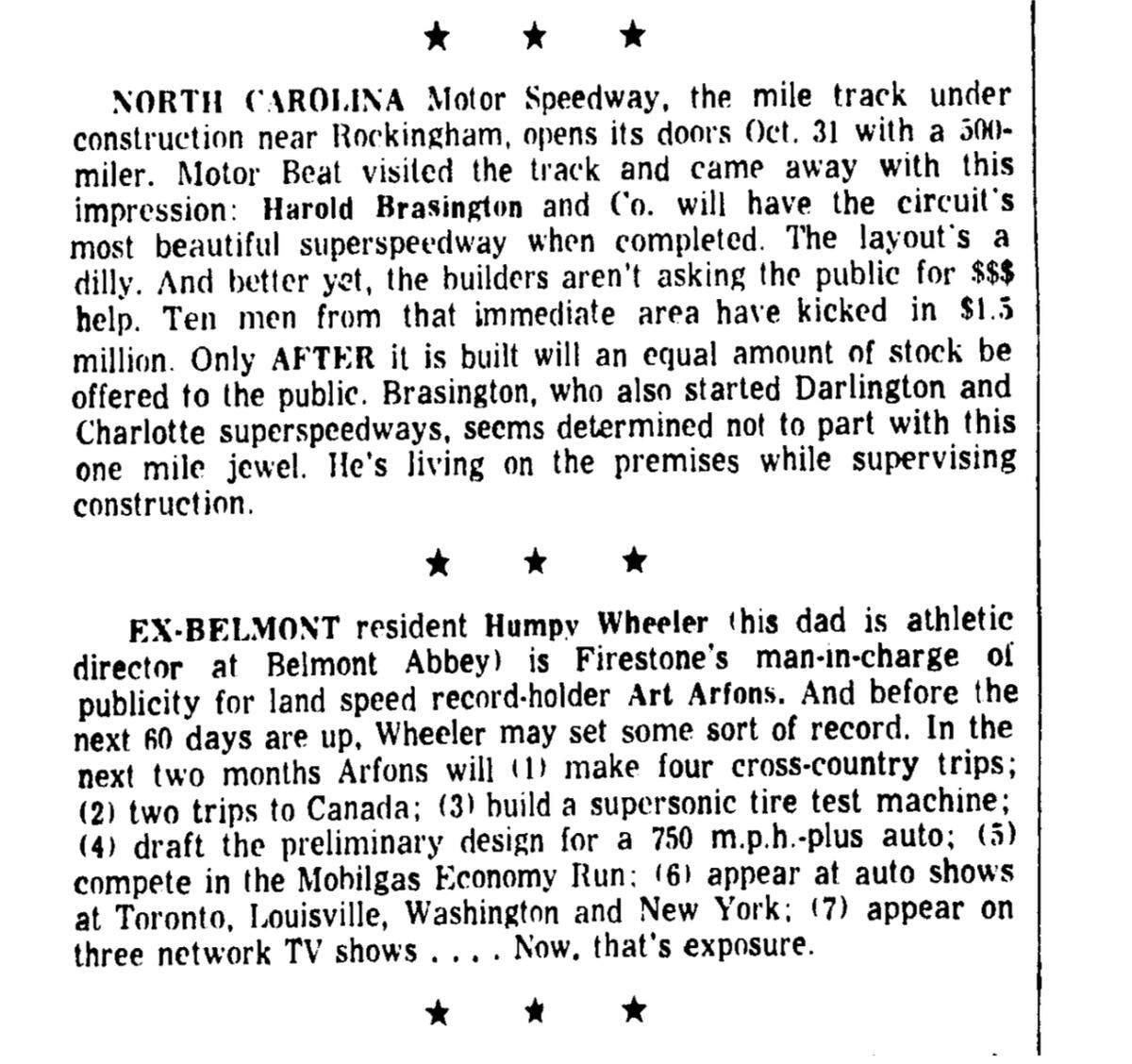
“The layout’s a dilly.”
Those words appeared in the April 11, 1965 edition of The Charlotte Observer. They were written by George Cunningham, who manned the “Motor Beat” for the newspaper for decades. They were used to describe a big development in the world of American stock car racing:
The construction of Rockingham’s racetrack.
In October of that year, NASCAR would make its first foray at the racetrack in Richmond County, then named North Carolina Motor Speedway. Cunningham didn’t explain how, exactly, the track’s layout was “a dilly” in his column. Nor, really, did he have to. The larger point that the namesake of the National Motorsports Press Association’s Writer of the Year Award was making was that stock cars were coming to another venue in N.C. — and that such a proposition was a big deal.
“Harold Brasington (the racetrack’s founder) and Co. will have the circuit’s most beautiful superspeedway when completed,” he wrote of the just-over-1-mile track. “ … And better yet, the builders aren’t asking the public for $$$ help. Ten men from that immediate area have kicked in $1.5 million.”
Cunningham went on.
And so, too, did the racetrack.
Even when it didn’t seem like it would.
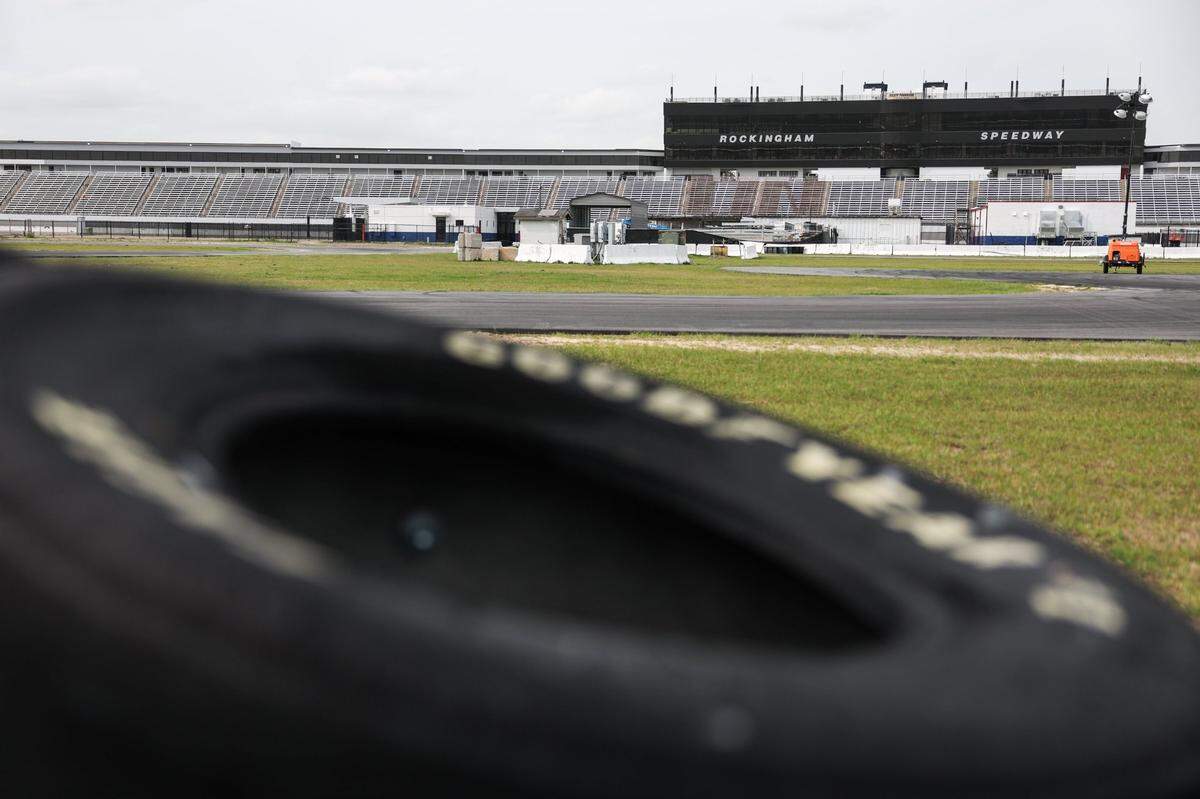
The venue now known as Rockingham Speedway and Entertainment Complex is back on the NASCAR schedule when it welcomes an ARCA race, an Xfinity Series race and a Truck Series race April 18-19, the Friday and Saturday before Easter Sunday.
The Truck race will mark the first NASCAR Truck race there since 2013. The Xfinity Series race will mark the first NASCAR Xfinity Series race at Rockingham since 2004 — the same year the Cup Series left and never returned.
Such a milestone is huge for the racetrack. By 2004, The Rock had changed ownership a few times removed from its peach farmer family lineage, and its fate worsened with every acquisition. The facility shriveled into disrepair. Before long, it felt like part of the identity of Rockingham was lost for good. Same went for the economic impact the racetrack brought biannually for decades. In this way, it mirrored the fate of North Wilkesboro Speedway, the racetrack that needed — and received in 2022 — a miraculous story of Lazarus to be resurrected.
Now, in the year 2025, a revival for The Rock is almost here. It won’t be a full revival later this month. This weekend’s slate doesn’t include a Cup race, after all — though current owner Dan Lovenheim hopes such an announcement isn’t far away.
But to the world of racing, such an event comprises a special weekend.
And to the lifelong residents of Richmond County, another descriptor better suits:
Biblical.
“In the Bible, you got the parable of the prodigal son coming back home,” said Gene McLaurin, a Rockingham native and resident, and the mayor of the town from 1997-2012. “We’re excited. For our economy. Just for our identity as a community.”
He added: “We’re proud that NASCAR has made this decision to turn back to their roots. It’s a big deal for our community.”
To understand the racetrack’s history in full, The Observer compiled a timeline of the 11 events that tell the story of what is known today as Rockingham Speedway. Please forgive us for probably passing over your favorite race at the storied track. There are over 60 years of story to tell — and it’s a dilly of a story, too.
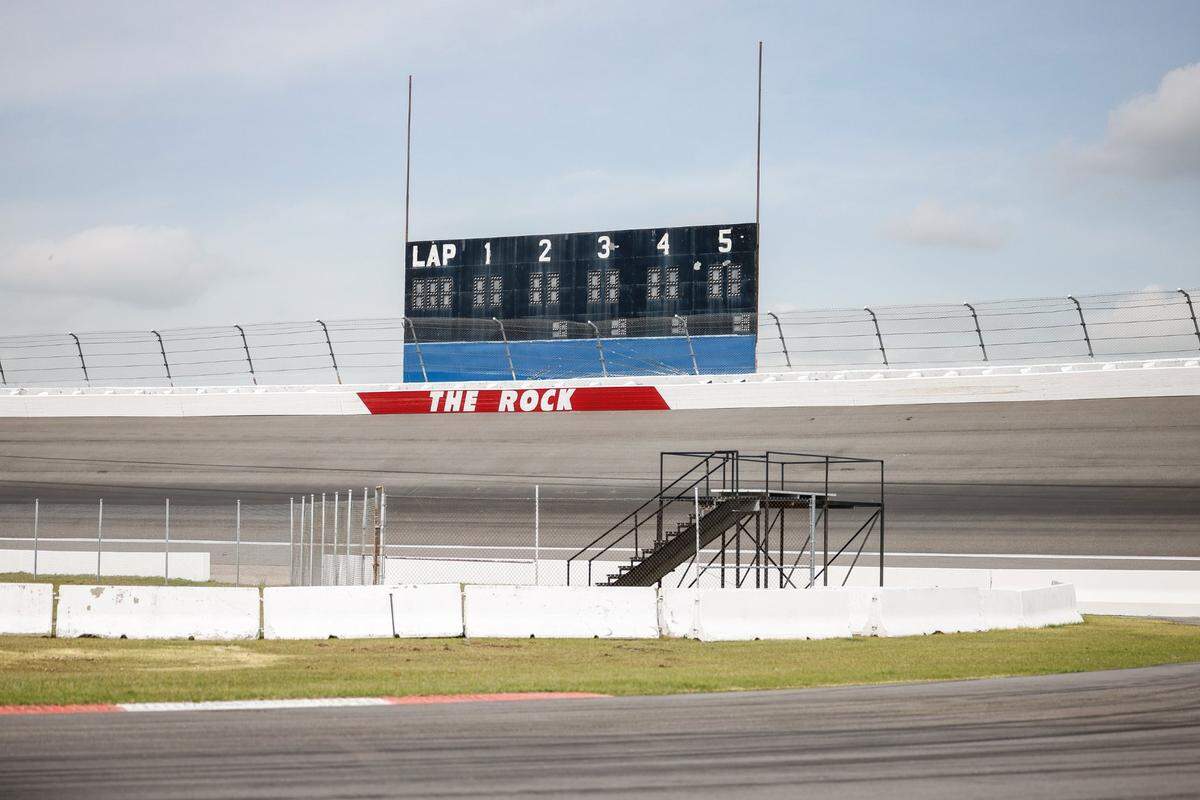
1964: Construction begins on North Carolina Motor Speedway
It’s unclear exactly what date workers broke ground on the land in the Sandhills of North Carolina to build what is now Rockingham Speedway. But records available to The Observer show construction started in 1964, with Darlington Raceway builder Harold Brasington as the track’s lead contractor.
That same year, a man named L.G. DeWitt took an interest in the track. DeWitt was a prolific peach farmer, with orchards in each of the Carolinas as well as in Florida, and a Richmond County resident; he saw the potential of what such an attraction could do for his community. By the time of the first race, DeWitt and a team of other local leaders — including local lawyer J. Elsie Webb (the track’s first president) — each poured in their own money to make the track’s construction possible.
DeWitt would later gain sole control of the speedway and pass it down to his children. But for the first race, the racetrack’s construction required the involvement of multiple people, which would pave the way for a special debut in more ways than one.
Oct. 31, 1965: NASCAR’s premier series debuts in Rockingham with the American 500
The first race at then-named North Carolina Motor Speedway wasn’t just a big one for the community of Rockingham and greater south-central North Carolina. It was a big deal for NASCAR.
The 1965 season, according to the North Carolina Department of Natural and Cultural Resources, “had been a tough one for NASCAR.” The sanctioning body had outlawed the Hemi engine, and that caused car manufacturers Chrysler, Plymouth (Richard Petty’s manufacturer) and Dodge to boycott the racing. Not to mention, fan favorite Curtis Turner was still banned from NASCAR for attempting to unionize the drivers in 1961.
Petty finally returned to the series in July at Bristol, the 34th event in the 55-race season, but the season was still dragging. Then, something changed. According to the North Carolina Department of Natural and Cultural Resources website: “Darlington Raceway’s Bob Colvin and A.C. Goines and Richard Howard of Charlotte Motor Speedway convinced NASCAR head Bill France Sr. that the only way to salvage the dismal year in which the fans, track promoters and officials were unhappy was to allow Turner’s return.”
Thus, the Rockingham race marked the first time that season that the most popular drivers and all of the manufacturers were in a NASCAR Cup event.
As such things go: Petty won the pole, and Turner took home the checkered flag, out-dueling Cale Yarborough to the finish. It cost $10 to get into that first race, but some fans who were there climbed one of the cluster of trees just outside the track to see the spectacle. One of those fans was Ronnie Rollins, who spoke to The Observer in July: “He was driving with some broken ribs, if I remember that story correct,” Rollins said of the victorious Turner. Rollins was right.
March 5, 1978: David Pearson wins 100th career Cup race at Rockingham
The racing changed a bit after the track underwent a reconfiguration just a few years into its opening, going from flat pavement racing to the high-banked oval it more or less is now. But the racing still suited the giants of the sport. In 1978, David Pearson won his 100th race at NASCAR’s highest level at N.C. Motor Speedway, edging Bobby Allison and Benny Parsons.
Pearson is second in all-time NASCAR Cup Series wins with 105, behind Petty, who won 200 Cup races. It’s unlikely anyone will come so close to the King again.
Pearson, in total, won five times at Rockingham’s racetrack. And that’s how he liked it — he hated finishing second, particularly to Petty. Take a look at this report from Observer motorsports legends Bob Moore and Tom Higgins in the Oct. 28, 1968 edition of The Observer:
You would never have known David Pearson had just won the 1968 Grand National Point Championship. There wasn’t a hint of a smile as he climbed out of his 1968 Holman-Moody Ford Torino.
He had just finished second to Richard Petty in Sunday’s American 500 here at N.C. Motor Speedway after running the final eight laps with a flat right front tire. …
The report concluded: The new point title holder refused to go to the press box to answer any more queries.
March 13, 1983: Richard Petty, North Carolina Motor Speedway’s all-time winningest driver, earns his 11th win at Rockingham
The all-time winningest racer at Rockingham won’t shock you. It’s all-time great Richard Petty. That March 13, 1983 race will go down as his 196th career Cup win of an all-time best 200 Cup wins. The victory came thanks to Neil Bonnett and Cale Yarborough wrecking in front of Petty as they were battling for the lead late in the race.
But this wasn’t just any win for Petty; it ended a 42-race winless streak. According to Observer writer Tom Higgins, the ovation that rang from the grandstands — “Pet-ty, Pet-ty, Pet-TY!” — “just slap beat all” the other times Petty has heard his name called. Bill Brodrick, NASCAR’s longtime Victory Lane manager who’d seen celebrations from the Indy 500 to the 24 Hours of LeMans to the Daytona 500, was superlative in his assessment of the race’s celebration.
Per Observer archives:
“It was the wildest victory lane I’ve ever seen,” said Brodrick. “First, there was the big crowd of people that swept in around the fence and were screaming because they were so tickled. Then the chanting started. Incredible. Touchingly incredible.”
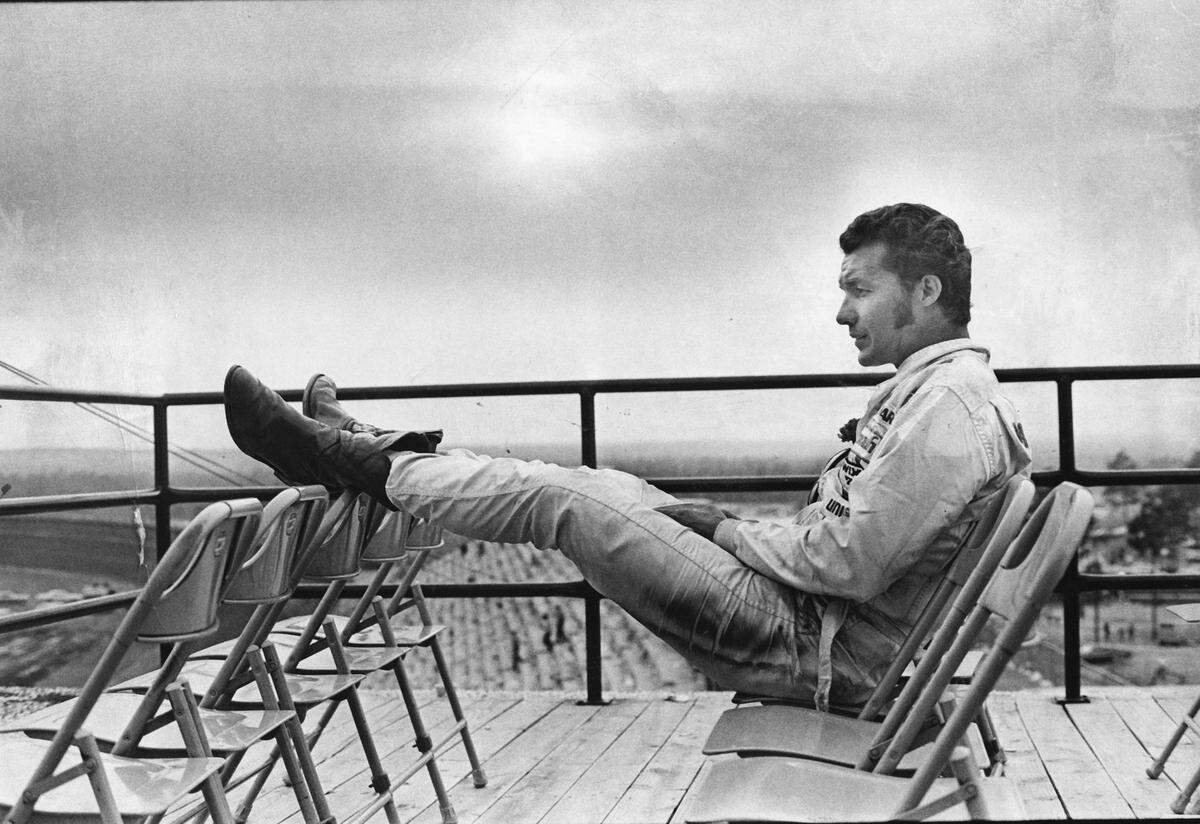
Oct. 23, 1994: Dale Earnhardt clinches his seventh Cup Series championship
October 1994 was the month Dale Earnhardt, then 42 years old, tied Richard Petty for most all-time NASCAR Cup Series championships, thanks to a win in the AC-Delco 500 at Rockingham.
Earnhardt wasn’t the only NASCAR legend who clinched championships there. Pearson had, as aforementioned. So too did Jeff Gordon and Cale Yarborough and Petty and many others. Rockingham’s two races on the schedule — close after the Daytona 500 and close to the end of the season — meant Rockingham was regularly relevant in the series.
That is, until NASCAR tried to capitalize on its expanding popularity.
Spring 1997: Rockingham is sold away from founding family
It’s safe to say NASCAR was flourishing in the 1990s. TV ratings were up. Venue revenue was good. The sport was replete with superstars and had a golden boy — Jeff Gordon — waiting to take the sport’s role as titan. As a result, NASCAR started looking to expand on its popularity and make it more than a Southeastern enterprise.
New racetracks opened in Fort Worth, Miami and Las Vegas.
Rockingham, as a result, was at risk come 1997.
The writing was on the proverbial wall. (The NASCAR Cup Series left North Wilkesboro Speedway — the short track in the foothills of N.C. — in 1996, for example.) And Rockingham’s declining attendance, colder dates to sell in October and February and a lack of amenities didn’t help stem the tide.
In the spring of 1997, Carrie, Jo and Nancy DeWitt — mother and daughters of the original peach farmer owner, the late L.G. DeWitt — decided to sell the racetrack to racing giant Roger Penske. Penske would later rename the track North Carolina Speedway.
Bruton Smith — founder of Speedway Motorsports, Inc., that included assets such as Charlotte Motor Speedway — also bid on the facility. He in fact outbid Penske, but the sale to Penske went through anyway. (That sale alone is another long story, one that included a Smith lawsuit that was dismissed.)
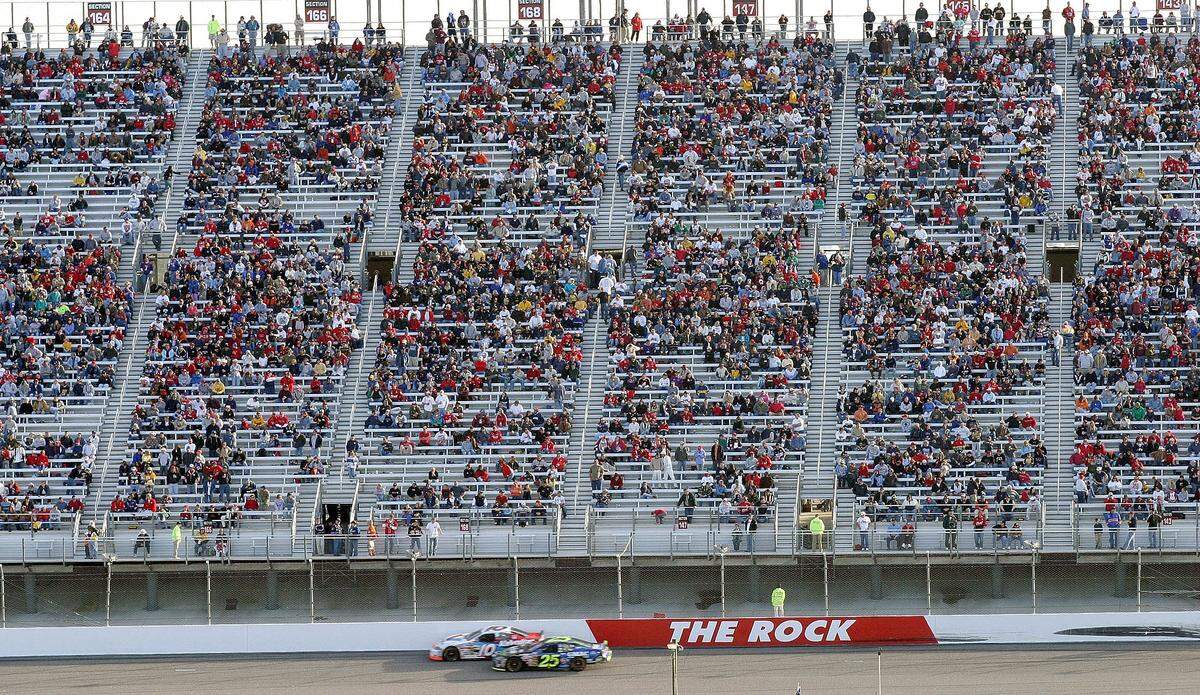
Feb. 26, 2001: The first race of the post-Dale Earnhardt NASCAR era
The Observer has spoken with dozens of people to learn about Rockingham’s racing history, and all have a special memory attached to one race in particular: the February 2001 race — the first race after Dale Earnhardt, the sport’s superhero, had died in the 2001 Daytona 500.
The weekend was strange, difficult, uncomfortable. No one really wanted to be there. It launched the Cup career of Kevin Harvick prematurely. It was the venue NASCAR had to have a true reckoning on driver safety. And it’s the one race Rockingham natives remember forever, community members say — even if they don’t exactly remember that the race was ultimately won by Steve Park, the driver for Dale Earnhardt Inc., the late legend’s namesake team.
One person who does remember who won? Bobby Labonte, who finished in second.
“With one lap to go, I got into the fence a little bit, and just couldn’t make the pass,” Labonte recounted to The Observer last month. “Afterward, on the cool-down lap, I said, ‘Well, I guess if you’re not gonna be able to win, I mean, what a great scenario that this turned out to be.’ We tried to win the race just like anybody would, but when it was all said and done, I guess it was meant to be that.”
As all Cup winners are, Park’s name is etched onto the stone at the front entrance of Rockingham Speedway.
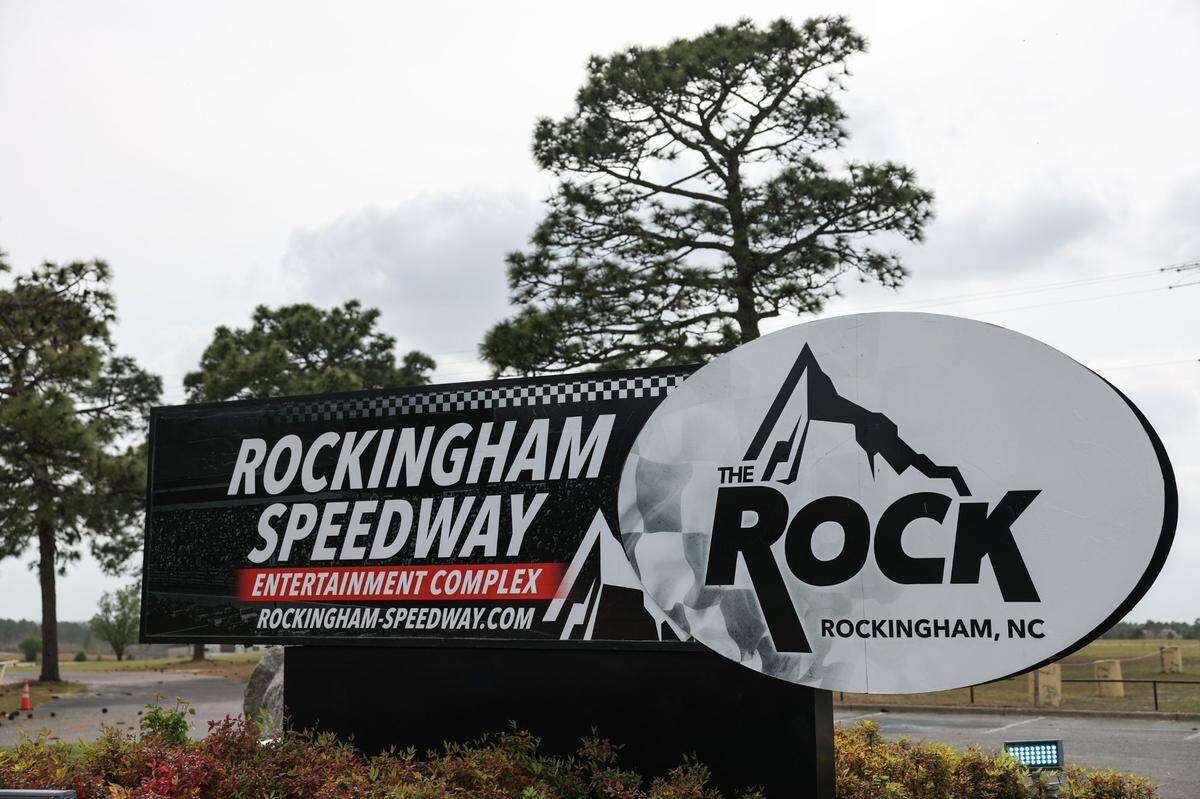
Feb. 22, 2004: The final NASCAR Cup Series race in Rockingham’s history
The 1997 sale to Roger Penske set into motion a string of acquisitions that ended up dooming Rockingham’s place in the NASCAR Cup Series.
Two years later, in 1999, Penske sold the speedway to International Speedway Corp. — or ISC, a group that owned many racetracks that hosted NASCAR races. In 2003, ISC took the late-season race date and offered it to the large potential seen in California.
Concurrently, in February 2002, a lawsuit that would seal North Carolina Speedway’s fate was filed. It’s colloquially known as the “Ferko lawsuit.”
The Ferko legal battle is a long, convoluted story — as race fans keeping up with the Michael Jordan-owned 23XI Racing vs. NASCAR lawsuit can relate to. But here’s the quick summary:
Francis Ferko — a resident of Plano, Texas, and a shareholder at Speedway Motorsports Inc. — sued NASCAR, alleging that NASCAR and ISC violated an implied agreement when NASCAR didn’t reward SMI with two Cup race dates a year at the newly SMI-constructed Texas Motor Speedway.
As the case was preparing to go to trial, in May 2004, the parties settled. According to Sports Business Journal, as part of the settlement, SMI agreed to purchase North Carolina Speedway from ISC for $100.4 million. And once the Bruton Smith-led SMI owned North Carolina Speedway, the speedway’s final Cup date was awarded to Texas Motor Speedway. Rockingham, as a result, was off the NASCAR schedule.
If it feels like the final Cup race in Rockingham’s history was an afterthought amid all these acquisitions, it’s because it sort of was. Matt Kenseth won the final race, in February 2004. He also clinched a championship there in the second-to-last race of the season prior, in November 2003.
But even as Kenseth won the final race, he seemed to understand that the sport undeniably lost something. As he put in a 2007 ESPN story:
“The last two times we went there were two of the best days of my life,” Kenseth said. He added, “Honestly, I wish we never left. I think a lot of us out here feel that way.”
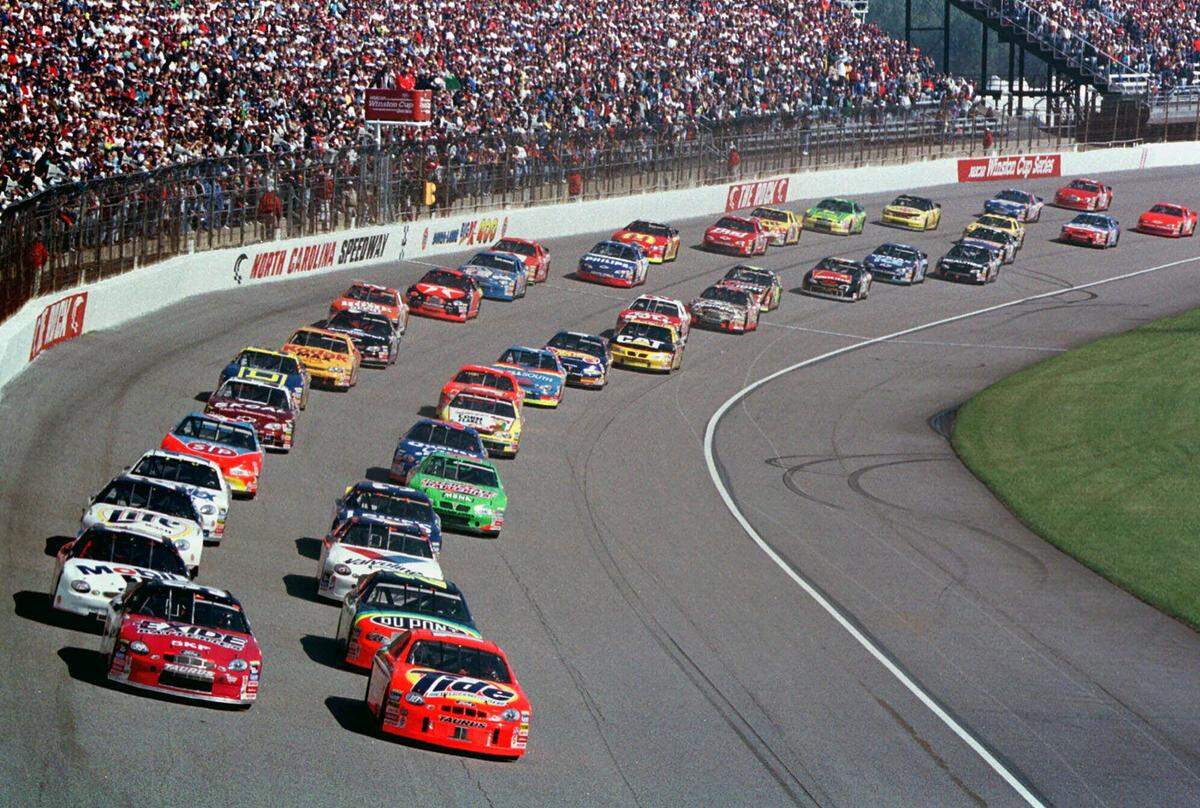
Oct. 2, 2007: Andy Hillenburg purchases Rockingham Speedway
Soon after the racing left — and after Speedway Motorsports Inc. took out Rockingham’s backstretch grandstands and televisions in certain suites and other amenities — SMI was ready to get the track off their hands.
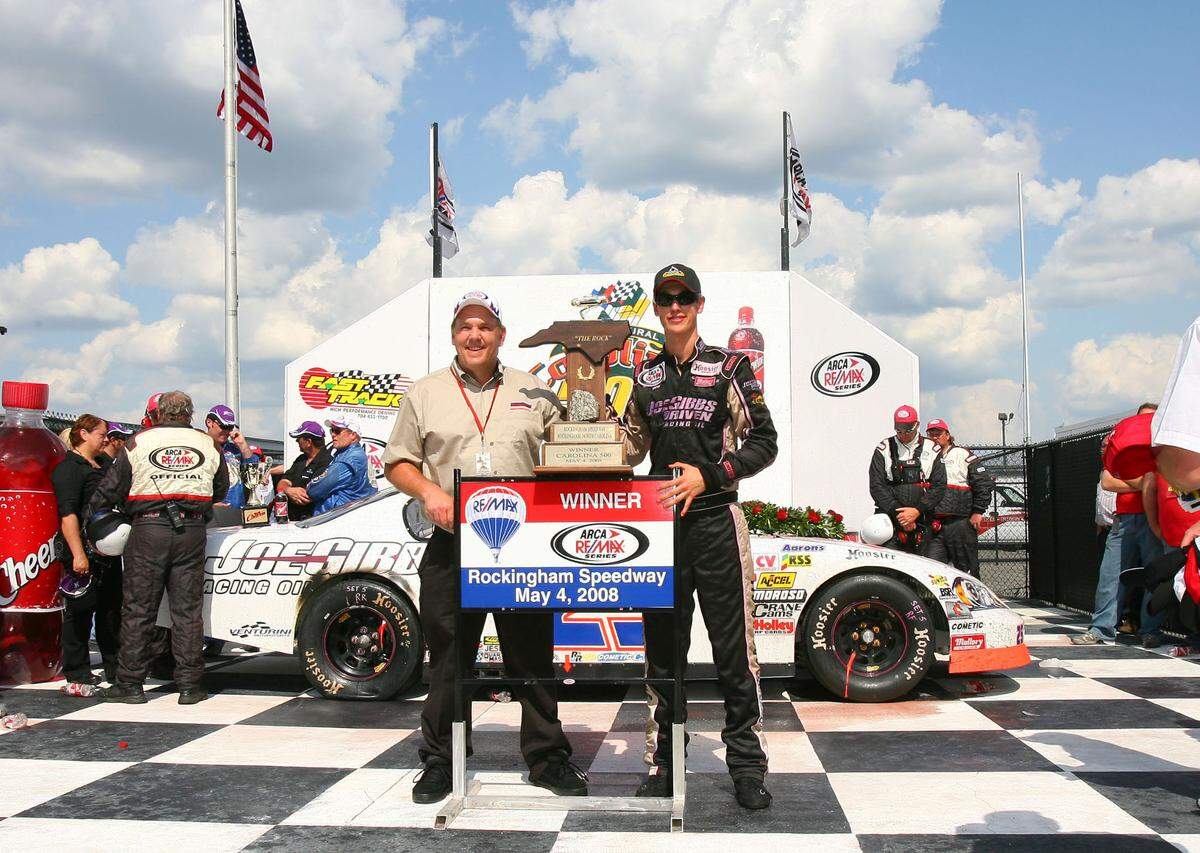
So the track went to auction. In that October 2007 deal, Andy Hillenburg — a beloved former racer — was the one who came out victorious. He ultimately earned the 250-acre property thanks to his winning bid of $4.4 million with stated hopes of bringing lower-tier racing events back to The Rock. Under Hillenburg’s ownership, the track was renamed Rockingham Speedway.
April 15, 2012: NASCAR racing returns to Rockingham — albeit briefly
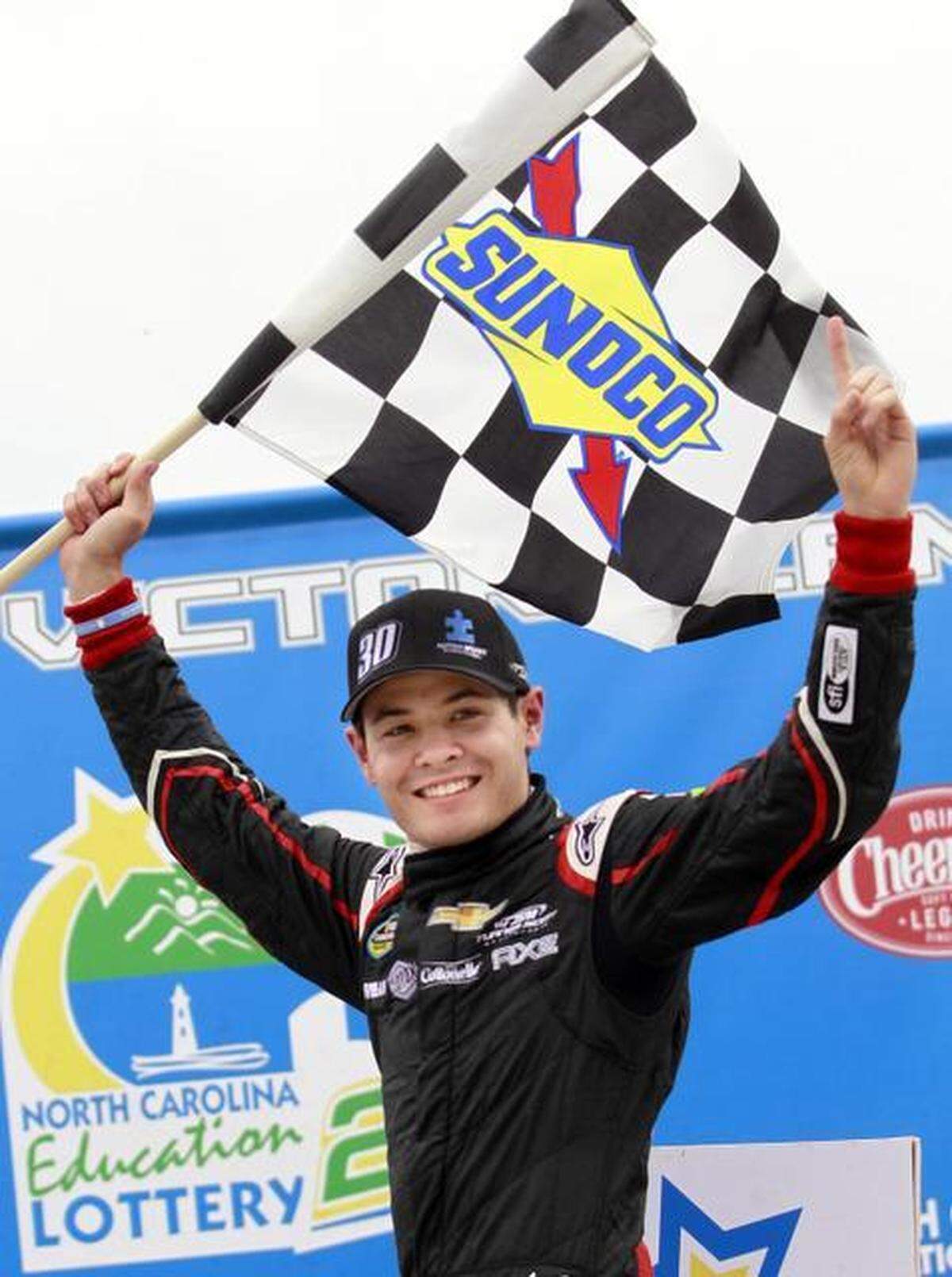
Hillenburg ended up following through on his promise and even brought NASCAR back to Rockingham under his leadership. It came in the form of two NASCAR Truck Series races. The first was in April 2012, won by Kasey Kahne; the second was in April 2013, won by then up-and-comer and now Cup superstar Kyle Larson.
Aug. 30, 2018: Raleigh nightlife club owner Dan Lovenheim purchases racetrack
By 2014, even after the two Truck races in the years prior, Rockingham Speedway was in dire straits. NASCAR didn’t return in 2014, stating at the time that the track “failed to meet its obligations” as a facility in the 2013 Truck race. A report by WCNC in October 2014 said that Hillenburg and his co-owners owed more than $4 million in loans and taxes, and the bank threatened to foreclose the property. To avoid the deal, Hillenburg agreed to sell or auction the track.
It was delayed a bit, but Rockingham Speedway was ultimately set for public auction on May 5, 2016, and landed in the hands of Billy Silas, the manager of a Florida-based limited liability company called BK Rock Holdings. Silas then sold the racetrack to Rockingham Properties LLC — of which Dan Lovenheim is majority owner — in August 2018 for $2.8 million, according to The Richmond County Daily Journal.
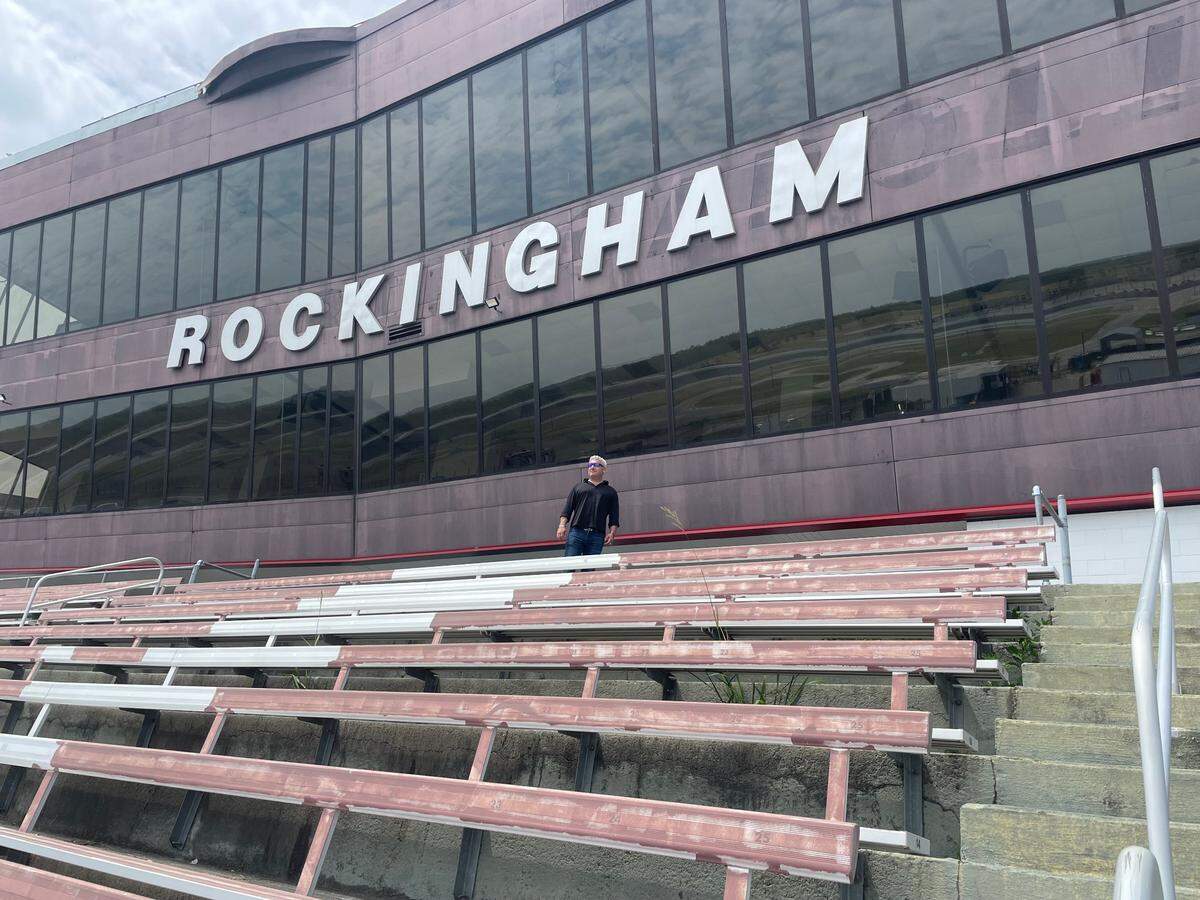
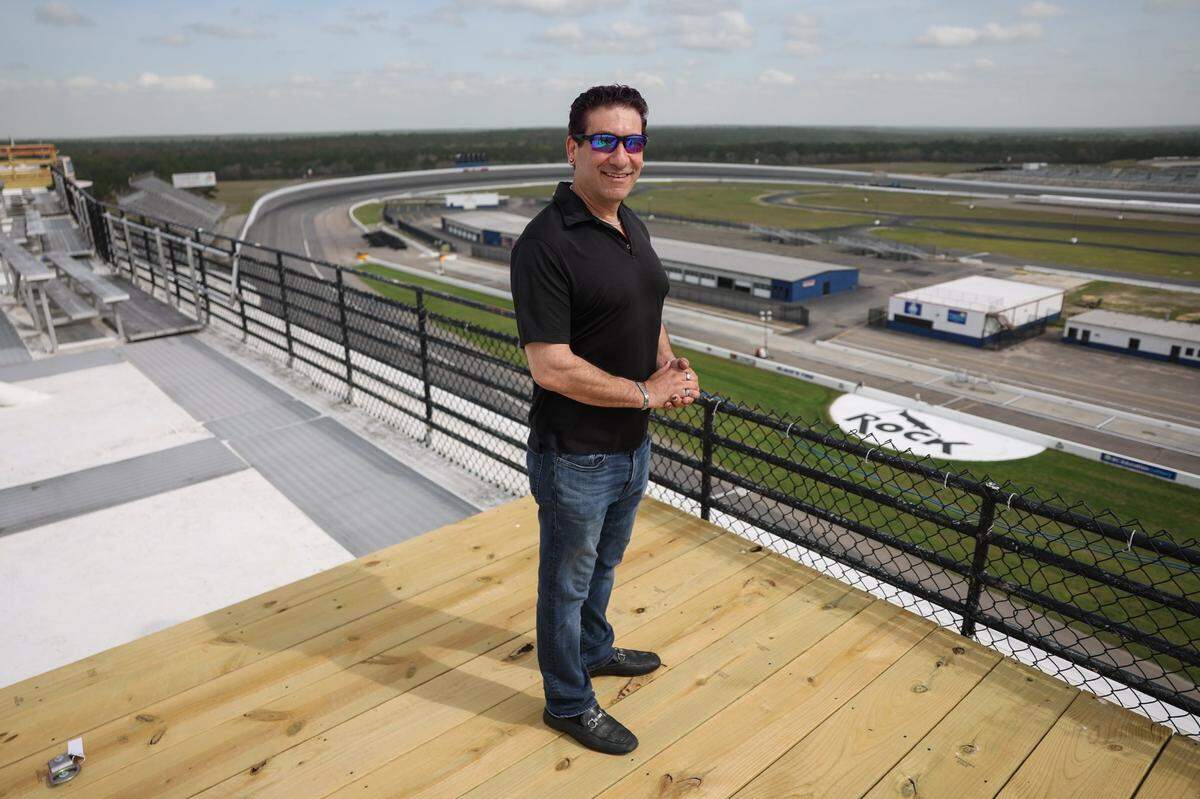
Lovenheim, who made his fortune as a night club owner in Raleigh, purchased the track with the stated goal of bringing racing (not necessarily NASCAR), music festivals and other events to the multi-use complex. The racing availed itself quickly. In November 2021, the North Carolina state budget earmarked about $50 million to go toward renovating three speedways — Charlotte, North Wilkesboro and Rockingham — which was made available via North Carolina’s cut of a federal post-pandemic stimulus package that had passed in February 2021. Rockingham was set to receive $9 million of that sum.
From 2021 to 2025, Lovenheim, with the help of his own construction company and millions of his own money, worked to make the facility race-ready. That meant an approximately $3.5-million repave of the oval, a complete refurbishment of the racetrack’s infrastructure — a complete reimagining of what Rockingham was and could one day be.
In August 2024, NASCAR announced it would host an Xfinity and Truck Series race at Rockingham Speedway in April 2025. ARCA would run there, too. Rockingham’s return was set up to be as triumphant as one could imagine.
“When I bought it, no one would touch this thing with a 10-foot pole — and I mean no one,” Lovenheim told The Observer last month. He then smiled. Now, he said, “there is more joy per capita here than anywhere else that I’ve seen for something like this.”
And the racing is still to come.
This story was originally published April 13, 2025 at 5:00 AM with the headline "A timeline of Rockingham’s racing history as NASCAR returns to special NC track."