Ten tips that could give you an edge in your NCAA Tournament pool
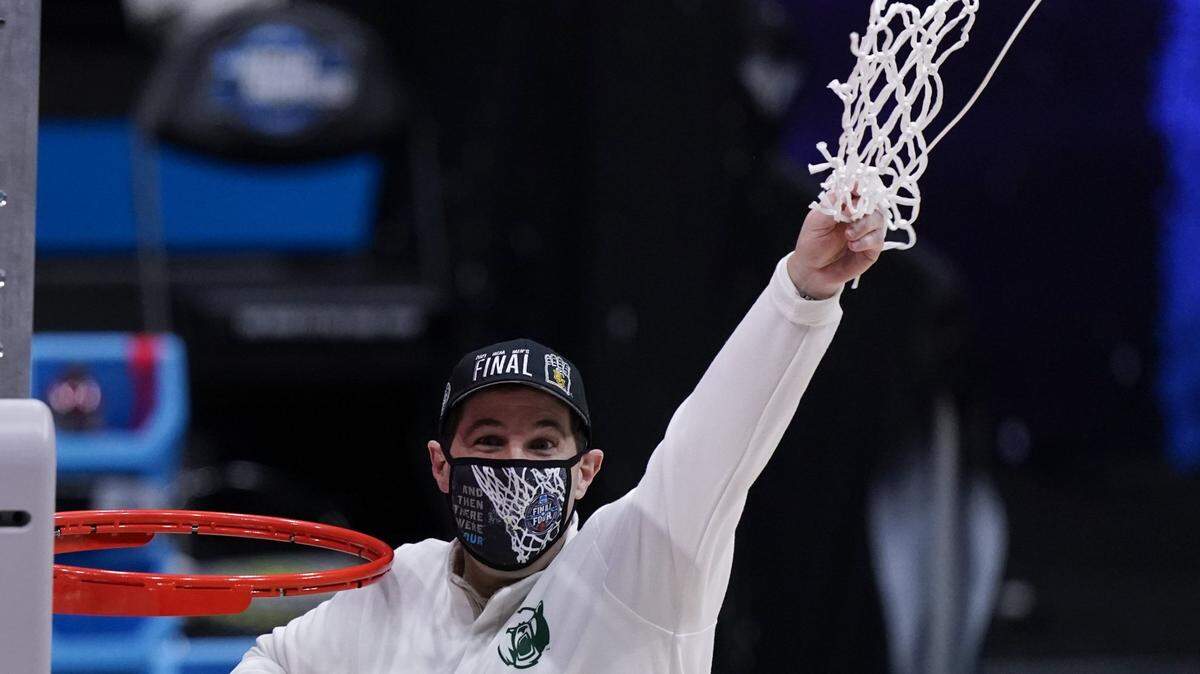
According to the NCAA, you have a one in 120.2 billion chance to fill out a perfect NCAA Tournament bracket in 2022.
The good news is that one can win a tournament pool with far less than perfection — and we’re here to help.
Here are 10 tips that could give you an edge as you battle to create your own “shining moment.”
1. Where to look for first-round upsets. In last year’s renewal of March Madness, a 15 seed (Oral Roberts) beat a 2 seed (Ohio State) and a 14 seed (Abilene Christian) beat a 3 seed (Texas).
Yet there is no percentage in picking upsets on the 2/15 or 3/14 bracket couplings. Over the past five NCAA tourneys, No. 2s are 18-2 vs. No. 15s and No. 3s are 18-2 vs. No. 14s.
Instead, there are three other bracket lines that have, in recent years, consistently yielded round of 64 upsets.
Over the past three NCAA tourneys, No. 13 seeds have gone 5-7 vs. No. 4s.
In the past two tournaments, the famous “5/12 upset line” has yielded a 4-4 tally.
However, the 6/11 line has been the place to find your surprises. Since 2016, No. 11 seeds are 11-9 vs. No. 6s.
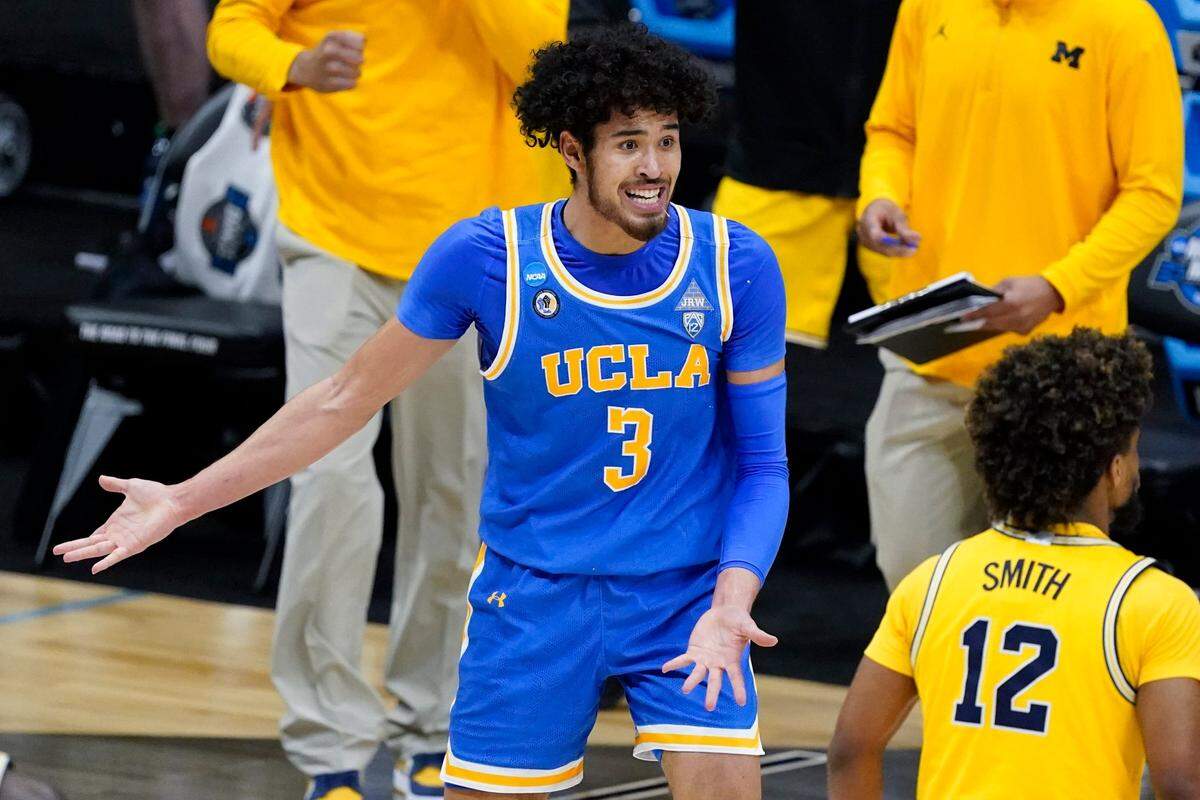
2. Dismiss the First Four at your own peril. Since the NCAA Tournament expanded from 64 to 68 teams in 2011, there have been five teams — VCU (2011); LaSalle (2013); Tennessee (2014); Syracuse (2018) and UCLA (2021) — that have advanced from that initial “play-in” round to the Sweet 16.
Two of those teams, VCU in 2011 and UCLA last year, went all the way from the First Four to the Final Four.
Since the First Four was launched, only one time, 2019, has at least one team that began in that round failed to win a game in the round of 64.
3. Identifying vulnerable teams. The numbers geeks say teams that are the most susceptible to NCAA tourney upsets are those with a higher than average turnover rate; poor three-point shooting percentage; and/or which average taking fewer free throws a game than their opponents.
4. Stick with the No. 1 seeds through the round of 16. Over the past five NCAA tourneys, 16 of the 20 No. 1 seeds have at least made it to the second weekend.
That compares to 12 of 20 No. 2s; 12 of 20 No. 3s; and 10 of 20 No. 4 seeds that reached the round of 16.
5. Program momentum. If you believe in the power of programs that are on multi-year NCAA Tournament “runs,” the teams with the most victories in March Madness over the past five tourneys are:
1. Gonzaga 17; 2. Villanova 16; 3. North Carolina 14; 4. Kansas and Michigan 12; 6. Oregon and Virginia 10.
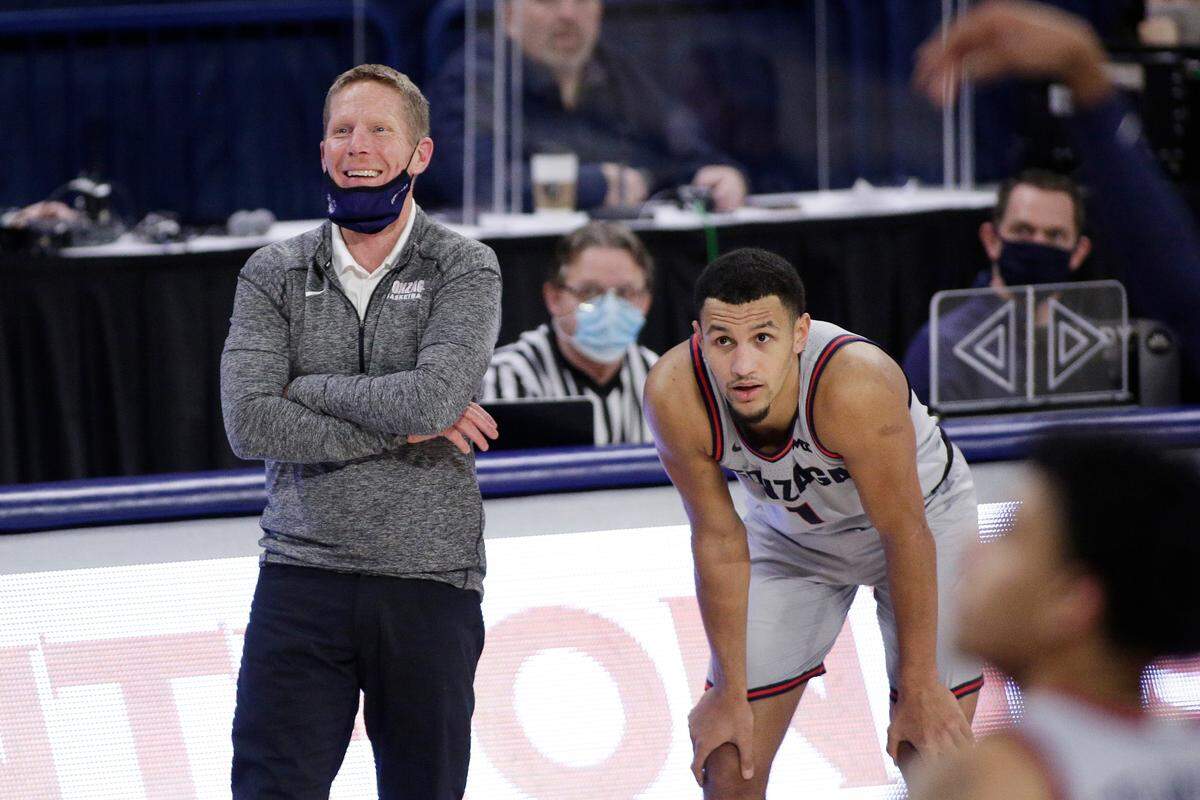
6. Gonzaga. Because Mark Few’s Zags have yet to win a national title, some perpetuate the idea that Gonzaga is untrustworthy in March Madness.
The Zags might not have a championship yet, but they do have the most NCAA tourney victories over the past five seasons (see above); six straight Sweet 16 trips; four Elite Eights in the past six tourneys; and two NCAA title game appearances.
7. Evaluating the impact of conference tournaments. History says a team does not have to win its league tourney to cut down the season’s final nets. Since the NCAA bracket expanded to at least 64 teams in 1985, only 15 out of the 36 national champions subsequently crowned won a league tournament.
(Of the University of Kentucky’s three most recent national champs — 1996, 1998 and 2012 — only Tubby Smith’s “Comeback Cats” in ‘98 won the SEC tourney).
However, since 1985, not one team that went on to win the national title has ever done so after losing its first game in its league tourney.
That’s bad news this season for highly regarded teams such as Auburn, Baylor and Illinois — all of whom lost their first conference tournament games this past week.
8. No. 1 seeds win national titles. A No. 1 seed has won the NCAA championship in four straight tournaments and in seven of the past nine.
9. Picking the national champion. Twelve of the 19 NCAA champs since 2002 have ranked in the top 20 in both adjusted offensive and defensive efficiency in the Pomeroy Ratings.
Last year’s winner, Baylor, just missed, finishing No. 2 in offensive efficiency but No. 22 in defensive efficiency.
Through games of Thursday, there were six teams this year in the top 20 in offensive and defensive efficiency at kenpom.com — Gonzaga (2, 7); Arizona (7, 16); Baylor (9, 14); Houston (13, 12); Auburn (18, 8); and UCLA (15, 11).
Interestingly, two of the kenpom “dual qualifiers” — Auburn and Baylor — lost their first conference tournament games (see above).
Depending on how Kentucky fares in the SEC Tournament, the Wildcats (4, 24) might play their way into “kenpom dual championship qualification” by the time the brackets are set.
10. Still believe in blue? Those who eschew statistical screens and historical trends and instead pick their national champion based on something as random as the colors of team uniforms might be on to something.
Since 2004, every team but two that has won it all has had blue among its primary school colors.
One of the exceptions, Baylor (green and gold), came last year.
The other exception, which wears red and black and plays its home games exactly 77.7 miles west of where these words were written, vacated its 2013 NCAA title due to rules violations.
Among this season’s kenpom dual championship qualifiers, four — Gonzaga (navy, white and red), Arizona (navy and cardinal), Auburn (blue and orange) and UCLA (sky blue and gold) — incorporate blue into their school colors.
Baylor (see above) and Houston (red, silver and white) do not.
Happy pooling.
This story was originally published March 12, 2022 at 6:15 AM with the headline "Ten tips that could give you an edge in your NCAA Tournament pool."