
Lauderdale: Help tell the lost story of sea island slaves
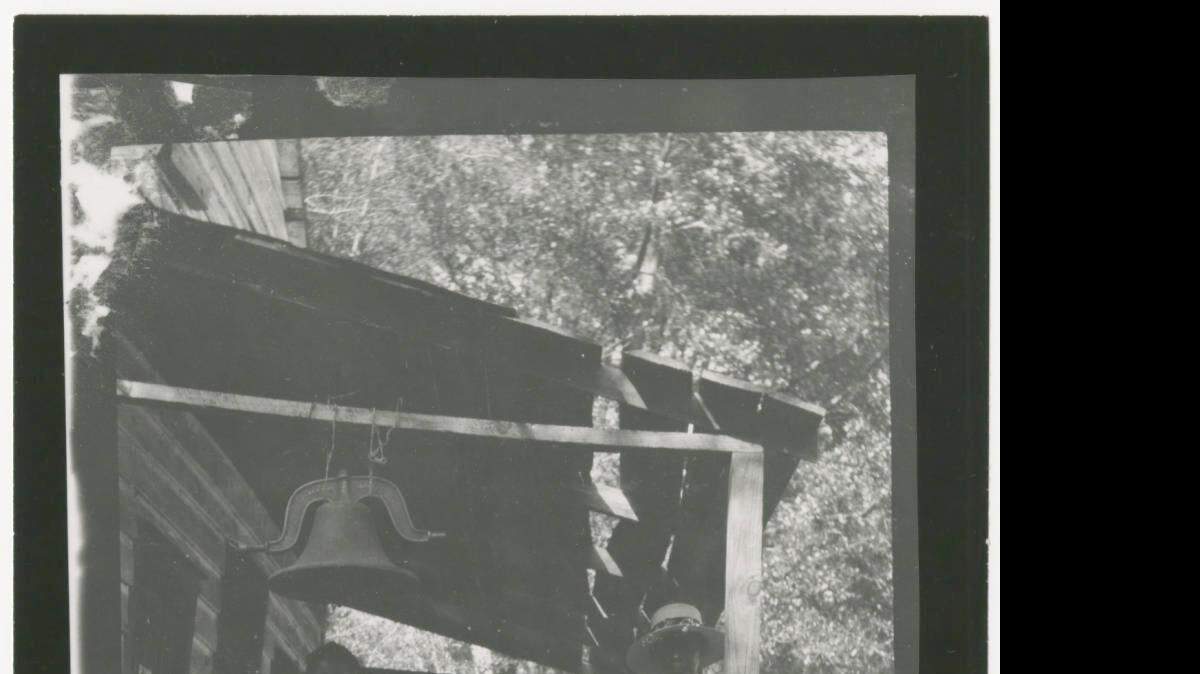
But a list of enslaved people on an antebellum plantation on Spring Island is today helping to fill in some blanks for Beaufort County and the nation.
A list of first names -- Isaiah, Moses, Eliza, Hagar -- could help write back into history a people celebrated on this Martin Luther King Jr. holiday weekend.
The story will emerge from an archaeological dig. What was once one of the most lucrative cotton plantations in the district is now a high-end, nature-oriented housing development between Hilton Head Island and Beaufort.
Slave quarters are being examined prior to construction of a new home.
Charles F. Philips Jr., the historian on the project for the Brockington and Associates firm, hopes that publicizing the list of names will bring local people forward to tell what they've heard about the lives of their forebears.
"I think it is very important to the African-American community, since so often this aspect of our past is either left out or marginalized," Philips said.
List of names
Spring Island was home to more than 200 slaves living in several settlements.
And many stayed on the land following emancipation. After the Civil War, the island had a school for African-American children. The former slaves and their descendants lived in the old slave quarters until they were torn down and pushed into the marsh in the late 1930s, Philips said.
As archaeologists begin digging for shreds of that old life, Philips is piecing together a list of the first and last names of the residents. He has identified more than 40 people.
He used the inventory in a will of the antebellum Edwards family that owned the island, thriving on long-staple cotton and livestock. He used the 1860 census and records from the Freedmen's Bureau bank in Savannah to put together a list of names divided by families.
Now the challenge is to put meat on the bones of these people who took familiar last names, such as Glover, Fields, Mitchell, Grant and Hamilton.
"I know people probably living in the Beaufort area today are related to or know people who lived on Spring Island," Philips said. "It's possible someone who lived there in the 1930s is still alive. I would like to know their stories about living on Spring Island, and they would probably like to know what we discover there."
This was their home
Notes in a previous archaeological study done at Spring Island by the Chicora Foundation put the challenge in perspective.
"One result of the Mitchelville (archaeological work on Hilton Head) was to document how little is actually known about the black heritage and postbellum history of the sea islands," states the Chicora report.
Yet these unknown souls made up 85 percent of the Beaufort area's population and were the foundation of its wealth.
Philips says, "They provided the work force for the construction of the plantation, the planting and harvesting and preparing of crops, and the overall operations and management of all the crucial aspects of the antebellum and postbellum periods in Spring Island's history.
"This is where many resided and lived both before, during and after the Civil War, and it was as much their home as it was the Edwardses, the Coppses and other owners."
Anyone with information about the Spring Island families may contact Charles F. Philips Jr. of the Brockington and Associates office in Mount Pleasant, at 843-881-3128, work; 843-532-6327, cell; or charliephilips@brockington.org.
The names of formerly enslaved residents of Spring Island, including last names taken after emancipation in parenthesis, are listed by family. The names were pieced together by historians:
Follow columnist and senior editor David Lauderdale at twitter.com/ThatsLauderdale and facebook.com/david.lauderdale.16.
This story was originally published January 16, 2016 at 8:22 PM.