
Lauderdale: Shrimpers bring spice to Lowcountry life
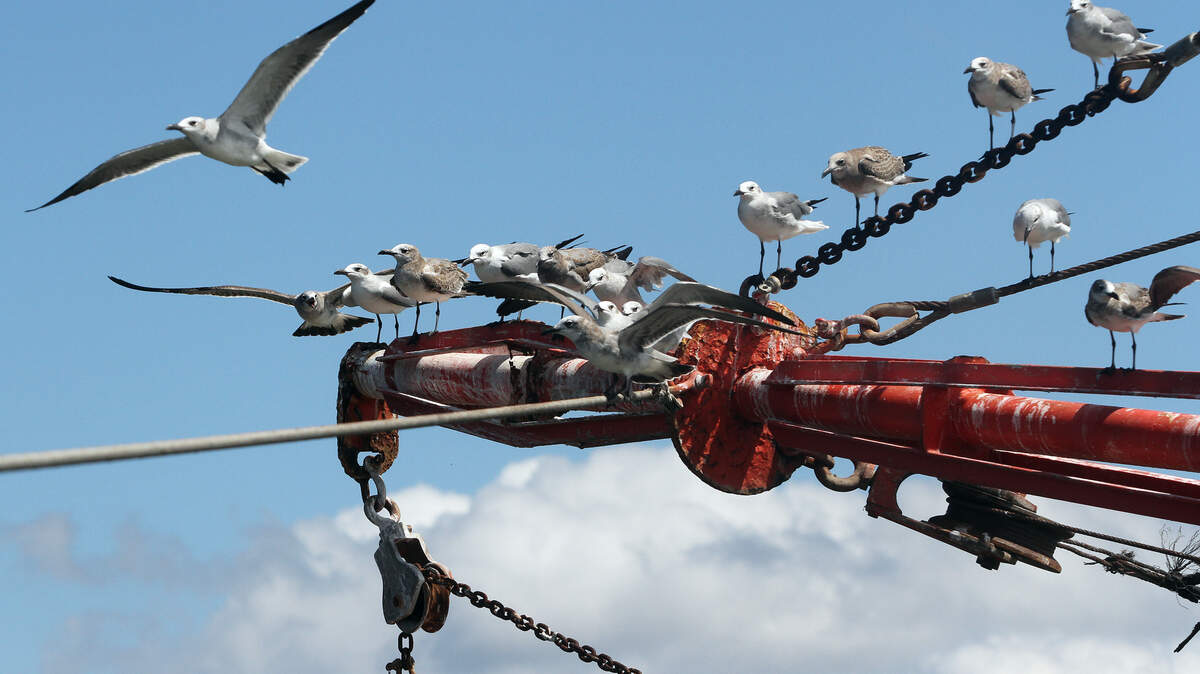
Shrimpers brought a lot more than sweet dinner to the Lowcountry.
They came in little white boots aboard trawlers named Little Geech, Rip Tide, Yellow Jacket, Playmate, Game Cock, Capt. Dave, Si-Nan-Su.
Their shoulders covered with a T-shirt carried enough worries to support a Pepto-Bismol factory, but they often cast anchor with a distillery instead.
Prices were always a worry. The price of shrimp, ice, fuel, insurance, a week up on the rail, engine parts, net repair, electronics, help, paint, caulking and licenses.
Rain, cold, wind, tides -- it was all a recipe for heartburn. Boats from North Carolina, wildlife officers on the horizon, wives on the hill, chemicals in the hold -- worry, worry, worry. When the government required Turtle Excluder Devices to protect the loggerheads, you would have thought they'd been asked to sacrifice their firstborn sons.
Throw callouses, back aches and hangovers on the pile with the bank notes.
The shrimper's business trip started at 4 in the morning, if the wind wasn't making the tallest pines sway. They may get back to the dock 12 hours later, where a room full of women in vivid bandanas cackled in Gullah faster than their long, black fingers headed boxes full of delicacies bringing $2.50 a pound.
Or they may linger out on the sea for days or weeks. Back home in our air-conditioned offices, we could only dream of destinations like Fernandina Beach, Key West or the Gulf of Mexico.
The shrimpers lived by their scratchy boat radios. The chatter produced a combination of "As The World Turns" and "NBC Nightly News."
They might talk about the day Capt. Bruce was shrimping near Savannah and the Georgia wildlife officers said he was shrimping out of season in Georgia and Capt. Bruce said he was shrimping in season in South Carolina. And when they boarded his boat, he hosed them down and took off for Hudson's on Hilton Head Island, and everybody lived to tell the story.
You might hear about a deer coming up in a net, or an old airplane. Or, somehow, who knows, a bale or two of marijuana.
A captain like Noah built a steel-hull trawler in his yard in Pritchardville. On the big day that it was hauled to the water, old Bluffton men shook their fists in the air and called sleepy authorities every time an oak branch was trimmed to make way for the slow parade down S.C. 46. A party broke out at Alljoy Landing when the thing didn't sink.
My friend the shrimp boat striker used to bring home the by-catch. He stopped along the way, pulling down dirt roads to sell some of it door to door. As soon as he eased into the yard, he could hear the Gullah women holler: "Hot de watah!"
Long-suffering shrimper wives may not have had a Cadillac, unless the shrimp boat burned, but they had plenty to eat.
We get the simple ingredients for a life well-lived in the "Seafood Recipes" published in 1976 by the South Carolina Shrimpers Association Ladies Auxiliary, "with the finest plastic ring binders available."
They called it "Shrimp and Brown Gravy." Today, chefs put goat curd in it, call it Shrimp and Grits, and charge $28 per serving.
Shirley McClellan's recipe calls for 4 strips of bacon (I was taught that it had to be pepper bacon from Boy Daley's store in Ridgeland); 2 pounds of raw, peeled shrimp; 1 small onion and 3 tablespoons of flour. "Fry bacon crisp; drain. Sautè onion in bacon drippings. Brown flour; add hot water, then shrimp and onion. Serve on rice or grits."
I say shrimpers "brought" a lot more than sweet dinner to the Lowcountry because most of them are gone.
Lowcountry men practiced five or six trades in a lifetime, so they moved on to a different dollar.
They've melted into the mud and muck of life, like the bone yards of old trawler ribs that poke up at low tide.
If you can figure out who owns the old wrecks, they're mostly likely dead or broke.
And newcomers in mansions a foot above the water complain that the wreck of the old Lady Essie ruins their view. Wonder if they go to France and whine about the vineyards.
Follow columnist and senior editor David Lauderdale at twitter.com/ThatsLauderdale and facebook.com/david.lauderdale.16.
This story was originally published September 26, 2015 at 6:26 PM with the headline "Lauderdale: Shrimpers bring spice to Lowcountry life."