
Humble beginnings for Deep Well teach lessons 40 years later
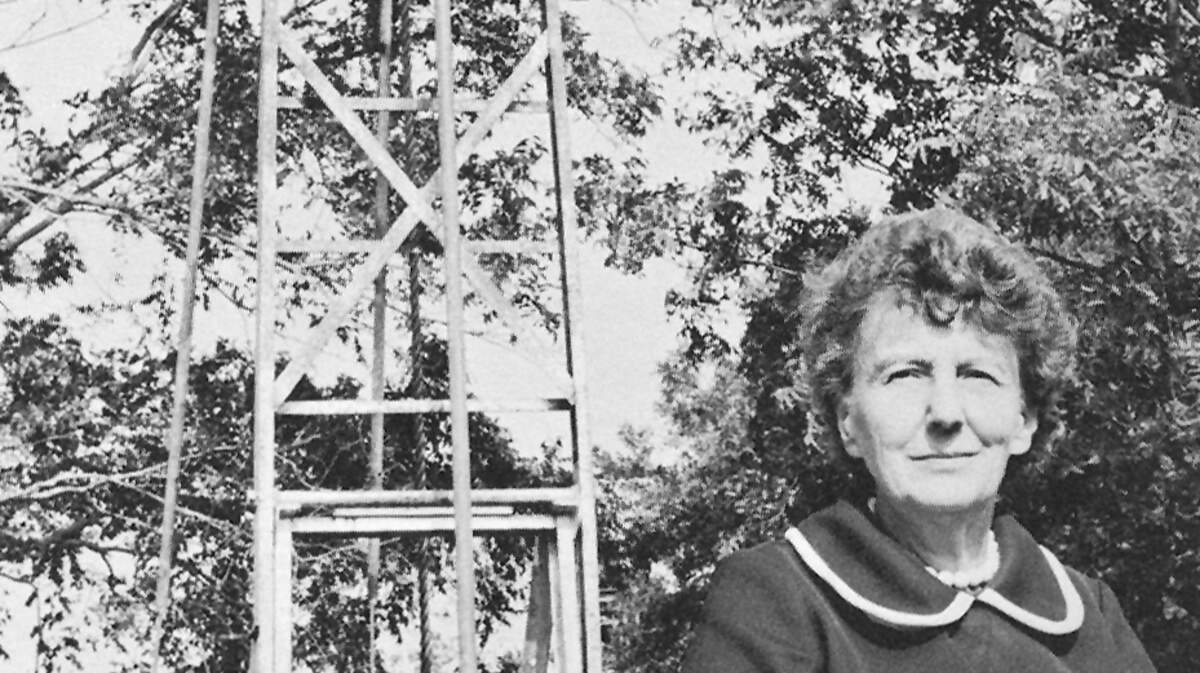
By all appearances, the job was way too big for Charlotte Heinrichs.
Physically, she was tiny, having miraculously survived a premature birth in 1907.
And when she got to the Lowcountry in 1968, she didn't know anybody. She retired to a modest home on Hilton Head Island's Bayberry Lane, where her husband, George, could collect stamps, and she could put on a sweater and comfortable shoes to walk Spot the dog in the ocean breeze.
She quickly got busy. The main job she got herself into didn't show up in the literature enticing people like Charlotte and George to chuck the snow of New York to come play by the sea.
The job was hunger, and children with stomachs filled with worms.
This underbelly of the Lowcountry -- and really the state and much of the South -- was only beginning to be exposed. Dr. Donald E. Gatch first blew the whistle, telling national publications what he saw in his practice in Beaufort and Bluffton. U.S. Sen. Ernest "Fritz" Hollings took reporters on a statewide "Hunger Tour" with stops in Beaufort County. A Senate subcommittee heard testimony from people in this community as a nation began to wrestle with what it should do for the poor.
The Centers for Disease Control was brought in to do studies. Data were collected from poor homes up and down sandy roads. Medicine was prescribed. The private Hilton Head Health Project taught healthier living to mothers and children. The Beaufort-Jasper-Hampton Comprehensive Health Services was born.
Charlotte responded, as well, as a career nurse would.
She took on the job of getting deep wells dug so that clean water could replace contaminated water in homes and trailers along back roads most newcomers didn't know existed.
When she got started, we were more worried about whether she could see over the steering wheel than if she could cast a vision for a better community.
The job involved native islanders like Esther Williams opening many doors to the outsiders. It involved retirees getting parts at cost. It involved upfront money, which churches, clubs, businesses and individuals provided -- and which the recipients of wells and septic tanks faithfully paid in full over time. Charlotte kept careful records of each account, by hand on index cards.
In 1973, the job was incorporated into The Deep Well Project. It has long outlasted its founder, who died in 2001 at age 94.
As the agency prepares to celebrate its 40th anniversary with a community event Sunday, its job of addressing human needs with no government money remains too big. Its clientele and projects are different today, but the lesson taught to us by the woman born and raised in Manhattan has not changed.
Charlotte taught us to look at ourselves honestly, to get busy and to earn trust. She taught us to seek solutions, not attention. She taught us to help one another with small problems -- one person, one household, one street at a time. Only then can we knock the big jobs down to size.
Related content
This story was originally published April 2, 2013 at 7:02 PM with the headline "Humble beginnings for Deep Well teach lessons 40 years later."