
Take it from a native: Bay Point development threatens citizens and wildlife | Opinion
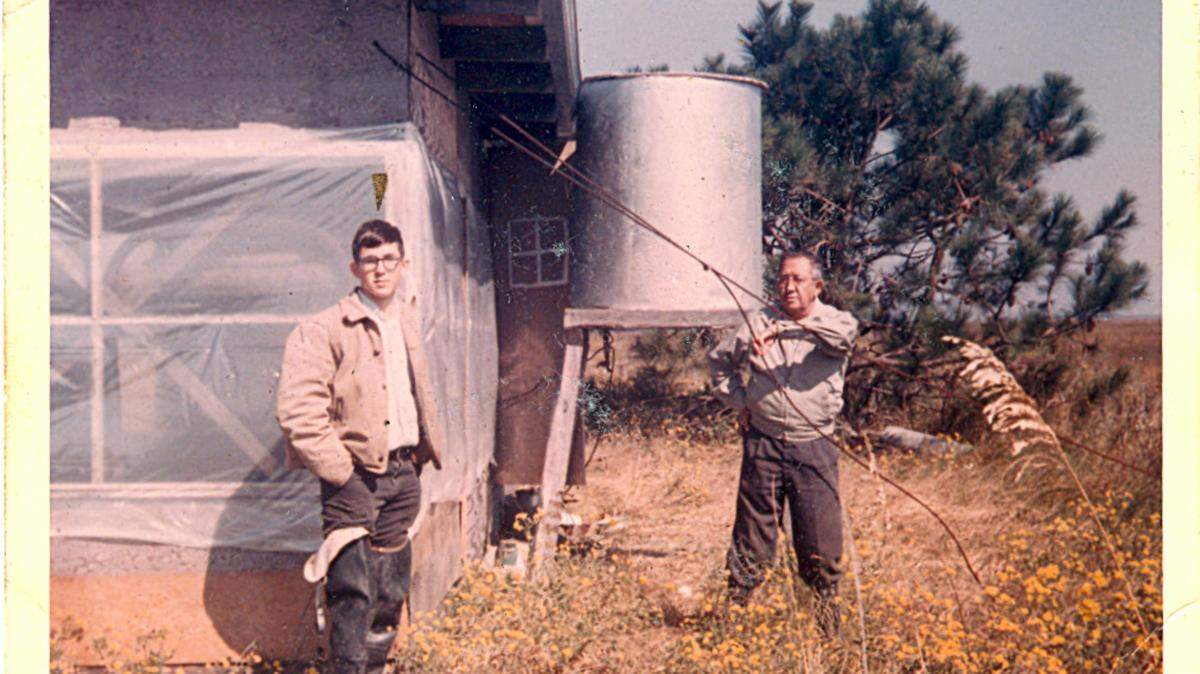
I have been connected with Bay Point Island for 60 years.
During my teenage years in the early 1960s, a group of friends and I got permission from the island’s owners to build a camp on the backside of the island near the east end of Morse Island Creek.
Beginning in 1960, we spent almost every weekend building and enjoying our Gale Break Camp and the island.
During much of that time there were no other buildings on the island except for one other camp that was located near the western end of Morse Island Creek on a hummock that we knew as “Chimmy-hammy.” It was owned by the Vaigneur family of Port Royal.
Late in our time on the island, probably about 1965, the McLeod and Poulnot families of Beaufort and Charleston purchased the island. They built a small house in the woods well back behind the dunes from the front beach.
Due to erosion, that house is now in the surf at high tide.
After my friends and I went off to college, our camp burned in a brush fire.
Today, the island bears little resemblance to the Bay Point of the early ‘60s. Much of the island has washed away, built back up a little, and then washed away again.
There is no real high land on Bay Point. It is a series of sand dunes, some of which have grown trees when the cycle of erosion has left the dunes long enough to sustain them.
Any building constructed on Bay Point will be temporary and the installation of the necessary infrastructure will be tragic for the environment.
The island is perpetually in flux. You can see that for yourselves by viewing the Beaufort County’s aerial photos through the years.
The new developers say that they want to build an “eco-friendly” development. That is just not possible on Bay Point Island.
Because the sand is so porous, the septic fields will pollute the surrounding pristine creeks and marshes.
Then, there is the inevitable pollution from the trash and garbage generated by the day-to-day management of a resort.
It will start immediately with the construction of utilities, villas, and other buildings, which will destroy what little land there is. The huge community of marsh and seabirds that utilize Bay Point to feed, nest, and rest because it’s so remote and wild will be displaced.
And these are only some of the environmental damages.
Beaufort County will be liable for infrastructure and building inspections, policing, fire protection, emergency medical evacuation, and more on a remote island that even now is barely accessible at low tide.
We should look at the failed developments on Daufuskie Island for instruction. Daufuskie is a large, substantial, high-ground island with no bridge, but very good water access. Still, two out of three of the major developments there have failed, leaving derelict buildings and ruined infrastructure.
It will be an environmental and financial tragedy for our county and the Lowcountry if Bay Point Island is developed.
As a Beaufort native and lifelong resident, I implore our community, county planners and county leadership to prevent this misguided venture.
Beekman Webb is a retired historic restoration contractor who served for many years on the board of Beaufort County Open Land Trust and is currently a member of the Beaufort County Rural and Critical Lands Board and chairman of the Port Royal Historic Review Board.