
‘Plantations’ today: ‘People should be heard when they say they’re hurting’ | Opinion
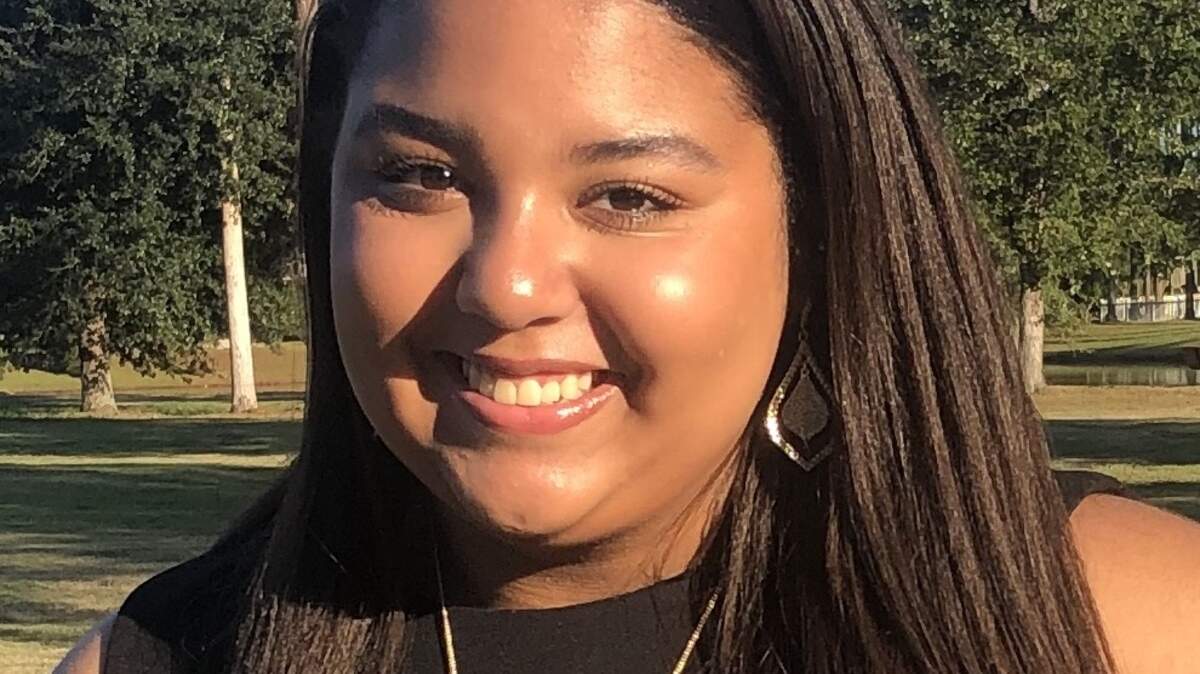
(The following was written to residents of Palmetto Hall Plantation on Hilton Head Island.)
I’m Isabella Miller – a local high school junior and a proud member of one of the largest native families of Hilton Head Island. My father is one of 22 grandchildren, most of whom still live here, so I’ve grown up surrounded by love and support.
Despite the fact that I cherish my hometown, I recognize that things are not perfect here, and we have a lot to work on.
Growing up, I couldn’t help but notice the demarcation that’s been formed by the carving out of plantations. There are people who live within plantations and those who live outside of them, and that boundary is typically marked with gates and guards and an uncomfortable sense of “haves” and “have-nots.”
Most of my family on my father’s side enters plantations only to work within them or to visit or tend to some of our historic Gullah-Geechee cemeteries.
Through the years, it’s been painful to watch my extended family, whom I dearly love, lose property, suffer from the lack of affordable housing (and even proper sewer systems), struggle to make ends meet, and be disadvantaged in significant ways.
I often hear my father talk about his childhood and how different things were. He talks about all the areas that he and his family and friends would roam through that are now gated off. He talks about how it was a time when everyone helped each other, how they never locked their doors, and how times seemed happier in their simplicity.
As a family, we’ve worked hard to maintain our traditions and connections, and there’s rarely a week that goes by when I don’t see my family stepping up to serve in some way.
However, I’d be lying if I said that I’m not concerned about the inequity that I see here.
So, let’s talk about this word “plantation.”
I’ve heard it all … that it’s just a word and that we’re overreacting, that we’re trying to erase history, that it’s censorship, that the timing isn’t good, that it’s a slippery slope, that it would be too expensive to remove, and on and on.
It’s important for me to point out that I don’t tend to hear those things from my family, nor do I find that my family or other native islanders tend to have a seat at the table when these decisions are made.
Because of that, I’d like to share my views.
The word “plantation” has a direct connection to a history of slavery and racism in our country.
For those who want to assert that it’s not meant that way today, I’m here to tell you how I, as a Black person, perceive the word and how it makes me feel.
Plantations were where my ancestors were dehumanized and devalued, where unspeakable atrocities were committed in the not-too-distant past.
To be honest, the fact that I’m feeling compelled to write this letter and beg for empathy is upsetting because people should be heard when they say they’re hurting.
Please hear me when I say that the word “plantation” makes us feel unwelcome and disparaged in the very place where our families have lived and worked for generations.
It’s not right to say this is too complicated from a marketing standpoint. Nor is this about anyone winning or giving in. This is about dignifying and valuing humanity.
These things that may seem insignificant to some people are quite significant to us in terms of their connections to oppression that we’re still trying very hard to overcome.
I urge you, from the bottom of my heart, to remove the word “plantation” from your community.
Isabella Miller is a junior at May River High School in Bluffton. Among other achievements, she received the Scholastic Art & Writing Awards National Silver Medal for a poem entitled, “What do you see when you look at me?”