
As easy as 1-2-3: Reader urges participation in Ranked Choice Voting Day this Monday
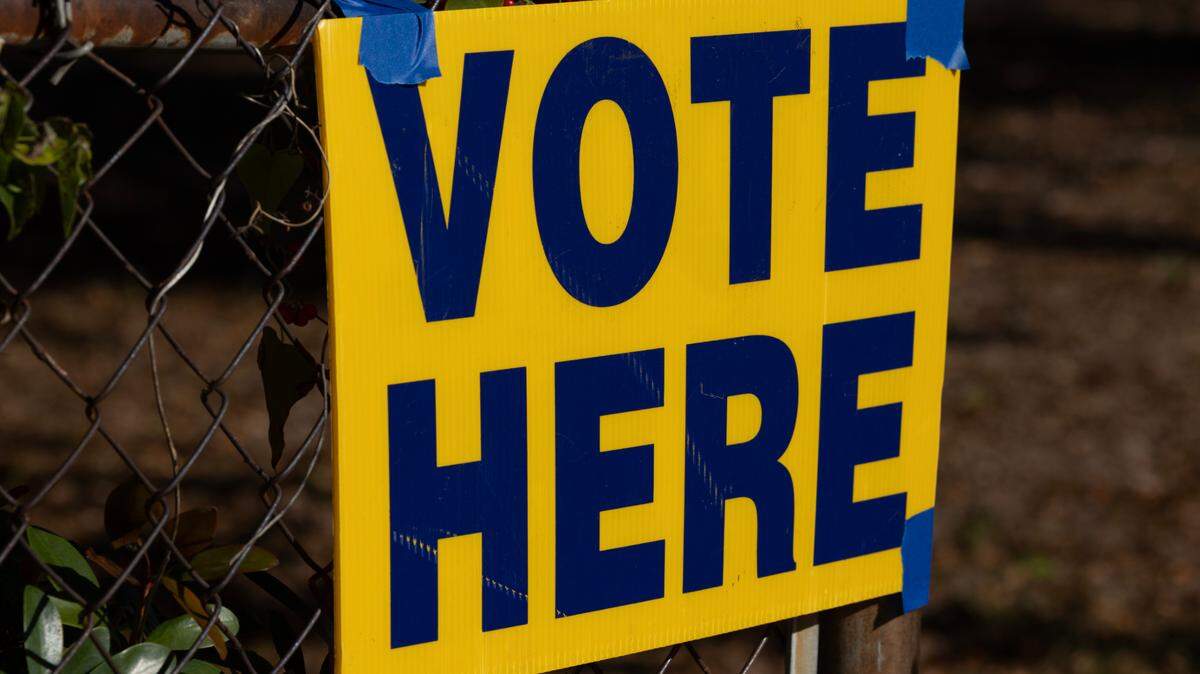
Support RCV
A coalition of 11 multi-partisan organizations will be showing their support for National Ranked Choice Voting (RCV) Day at the State House in Columbia on Monday (Jan. 23). They will ask the General Assembly to make the legislative changes necessary to allow RCV in local and municipal elections.
The date (1/23) was selected because ranked choice is as easy as 1-2-3. With RCV, you rank candidates on your ballot in order of preference: first, second, third, etc. If your favorite doesn’t win, your vote counts for your next choice.
Polls show that where RCV has been tried, voters love it. It’s easy; it empowers voters with more choices, ensures the winner has a majority, reduces negative campaigning, and helps candidates with the best ideas get a level playing field. And there is no need for a time- and money-wasting runoff.
RCV has been tried recently in more elections across America than ever before. Sixty-two American jurisdictions have RCV in place, reaching about 13 million voters. Even our South Carolina military and overseas voters cast RCV ballots. So why not the rest of us?
Join me in letting our legislators know that we support RCV.
Bob Hooper, Bluffton
Keep promises
The Rural and Critical Land Preservation program was established with a taxpayer referendum to purchase or otherwise protect environmentally or culturally important lands in Beaufort County. These lands can be used as passive parks, as happened with Widgeon Point.
An 80-acre parcel located opposite Sun City is the focus of a current proposal submitted to Beaufort County Council to use part of this property to build a library and ball fields. This property was originally purchased in 2016 to protect the environmentally sensitive headwaters of the Okatie River, considered a priority watershed by DHEC.
Land preserved under RCLP should not be used for development. Taxpayers need to be able to trust that their elected officials and appointed boards are keeping their promises and using funds designated for conservation and preservation for that purpose.
The council will vote on the proposal Jan. 23 at 5 p.m. at the Beaufort County Government Building, 100 Ribaut Road.
We need your help. Go to beaufortcountysc.gov to send a “citizengram to all council members, contact your council rep directly, and and/or attend the meeting to encourage a “no” vote. No development on protected lands.
Paula Smith, Bluffton
About those archives
Let’s discuss the subject of the National Archives as the secure repository of the nation’s top classified government documents.
Just as your local neighborhood public library checks out books to individuals with a previously issued library card, the local equivalent of “authorized to view,” doesn’t the National Archives, in all its grandeur, have a similar system for the dispensing and retrieving of our most precious classified documents?
The neighborhood library makes a record of exactly what books you borrow, and when they must be returned, usually in a week or two. If I am “late” in returning a book, I am notified and could be charged an “overdue fee.”
In my youth, that was two cents a day at the Brooklyn Public Library, but the point is, they knew I had the books and they wanted them back by the due date.
Perhaps there is just a large bin of documents in the National Archives’ lobby under the sign, “Help Yourself.”
Hank Druckerman, Bluffton
Don’t ban books
As leaders of the Beaufort High School and Beaufort Academy chapters of DAYLO (Diversity Awareness Youth Literacy Organization), we believe access to diverse stories is essential to fostering a healthy, empathetic, and diverse community.
The 97 books in BCSD libraries targeted for censorship disproportionately represent authors of diverse backgrounds.
Reading these books and having school library access to them encourages personal growth and critical thinking skills imperative to becoming engaged leaders and citizens.
Banning these books violates the intellectual freedom of students and families, and will only make students less empathetic and curious.
As Atticus Finch said in “To Kill a Mockingbird,” “You never really know a person until you consider things from his point of view … until you climb in his skin and walk around in it.” Restricting these books removes a point of connection among students who may feel isolated in their experiences and also removes an opportunity for promoting empathy among those with little exposure to viewpoints different from their own.
The book banners cite “inappropriateness” as their motivator, but their attempts to circumvent established parental control and force their values on everyone are what is truly inappropriate.
Millie Bennett and Elizabeth Foster, Beaufort