
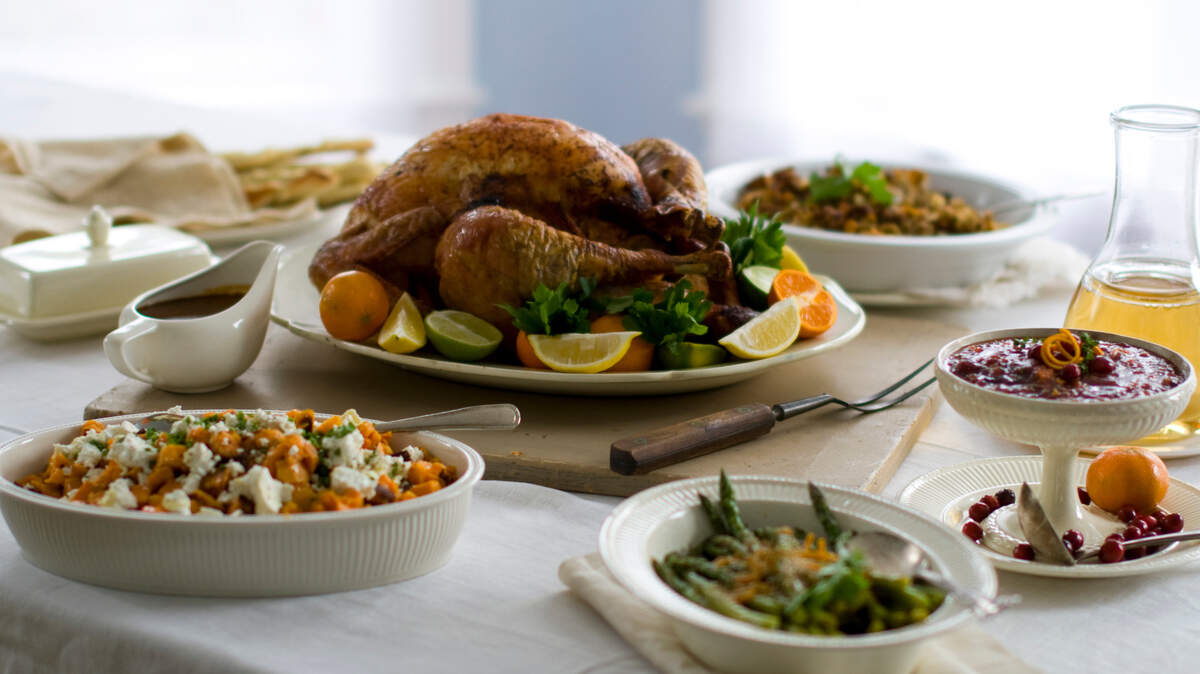
Allow Thanksgiving’s bounty to remind you of the many Americans who are without food
Food insecurity
Just down my street in Beaufort is a “Blessings Box” -- like one of those little wooden libraries, but for food. It is an understatement to say it is well used.
Not long ago, the neighborhood was experiencing daytime break-ins. Investigators discovered that the only thing taken was food.
In Beaufort County, more than half of the student population, or 56 percent, enrolled in public schools relies on free and reduced meals for both breakfast and lunch. (Many of those break-ins were committed by children hungry for dinner.)
I have been approached numerous times on the streets of Beaufort and asked for money for food. Most of those requests are from the homeless.
Local food banks are doing a booming business, and a recent Associated Press article reported as many as 160,000 service men and women have trouble feeding their families. In 2019, households enrolled in SNAP (the Supplemental Nutrition Assistance Program) included 22,000 active-duty service members, 213,000 members of the National Guard or reservists, and 1.1 million veterans.
As you sit down with your family for Thanksgiving dinner, think about those without such bounty.
These examples of hunger in our rich country should be an embarrassment for all of us, a national disgrace, and a call for change.
Barbara A. Nash, Beaufort
Thank the pollinators
As we gather around the Thanksgiving table this year, let’s remember to thank the hardworking pollinators who helped make most of our food grow.
Over one-third of our human diet comes from insect-pollinated plants, primarily from the amazing 4,000 species of native wild bees along with the non-native honeybees. Even the plants that cows eat to make milk, cheese, butter, ice cream and beef rely on pollinator services.
Insect numbers are plummeting in the U.S. because of loss of pollinator habitat such as native weed fields replaced by lawns, monocropping, suburban and industrial sprawl. Most disturbing is the overuse of pesticides which target plants and insects.
Without insect pollinators, 75 percent of the flowering plant and tree species will become extinct.
So when we enjoy that turkey, cranberry sauce, sweet potato casserole, green beans and squash along with a cup of coffee with the pumpkin or apple pie, give a nod to that little insect who was busy providing dinner.
And afterwards, how to help? Let parts of your property go wild, plant a diverse assemblage of native flowers, leave some dead plant material on the ground, build a bee hotel and get rid of toxic chemicals that are killing these friendly insects who are helping us humans survive.
Debby Boots, Hilton Head Island
Good will matters
As we enter the holiday season, we at Palmetto Goodwill wish to express thanks for our donors and supporters because you are helping make a meaningful impact in the lives of our neighbors.
Donations of clothing and household items to Palmetto Goodwill means jobs. Ninety cents out of every dollar raised from the sale of things you used to love is used to provide job training and placement, support services, and education to people so they can live the life they want to live.
In 2020, we helped 16,142 people across 18 counties in South Carolina, placed 2,565 people in jobs, and trained another 6,033.
Training leads to good wages, and we offer training in welding, HVAC, and many other industry recognized IT certifications.
Also, thanks to your support, our recycling and reuse programs diverted more than 13 million pounds of discarded items from landfills.
We appreciate all who have championed our mission to change lives and build a stronger community.
After all, everyone deserves an opportunity to thrive.
Brian Itzkowitz, President and CEO, Palmetto Goodwill, Charleston
Worth remembering
As evidenced by shell rings and other archaeological findings, indigenous people occupied Hilton Head as long as 4,000 years ago.
Countless generations from various tribes and tribal groups lived, worked, hunted and raised families on the island and adjacent Lowcountry before being largely displaced by European colonization.
Equally worth remembering: Hilton Head was once covered by more than 20 agricultural plantations, worked by enslaved men, women and children. The very soil upon which our modern residential communities and commercial developments are built literally bears the blood, sweat and tears of an unknowable number of people who were forced to work the land, without legal rights of any kind.
In planning for the mid-island tract, surely some space and resources could be devoted to creating some type of meaningful, non-political memorial to the indigenous and enslaved people who lived here before us, lest we forget.
KW Busey, Hilton Head Island