
Editorial: Ways of the Gullah matter more than ever
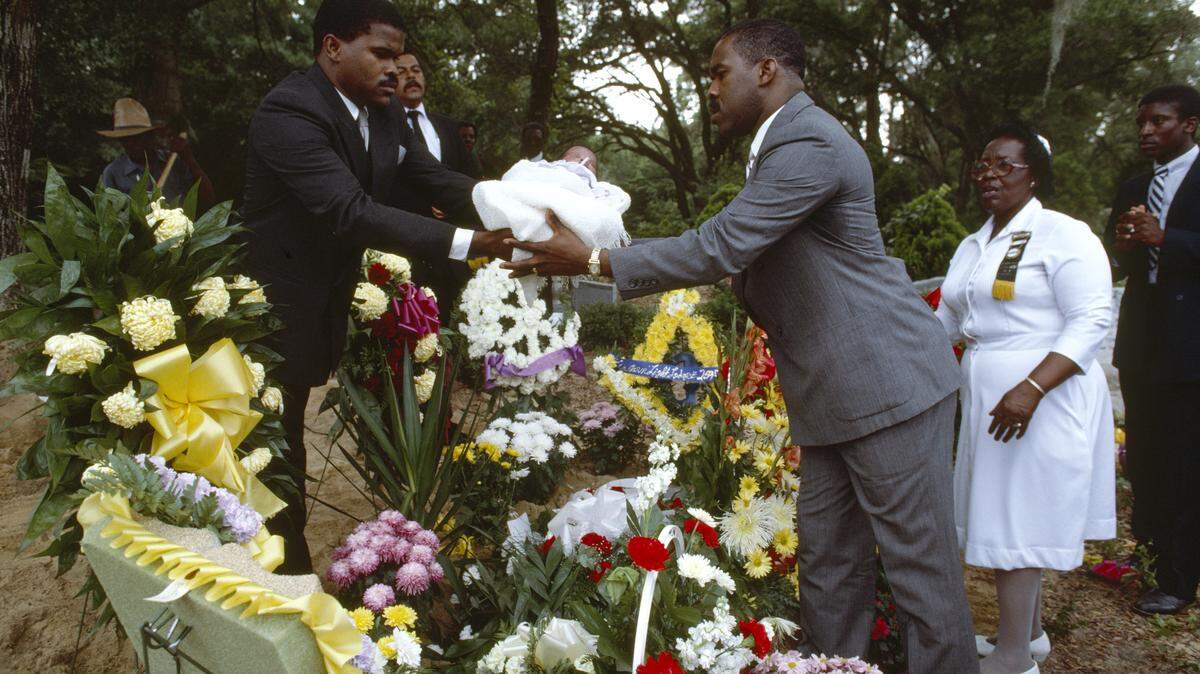
Nothing says Lowcountry likeDr. Buzzard, Dr. Bug, Dr. Eagle and Dr. Hawk.
We're not endorsing the voodoo they practiced in Beaufort County in the early 20th century, but we take the pulse of the secretive world of root doctors and other Gullah traditions in today's edition because they mirror our unique community.
And as field after field of trees are felled in Beaufort County for more big-box stores and generic stuff, a reflection of the county that includes its Gullah heritage and traditions becomes more important than ever.
Over the years, we have pulled for new ways to anchor the Gullah community. That may mean methods to keep people from being taxed off their land, or to get clear title to property, access to clean water and public sewer service, or the opportunity to cash in on the county's economic prosperity.
But more important perhaps than all of that is the simple plea that both the Gullah and white communities need to appreciate the Gullah culture.
Too often, the story of our community has been the story of its white people. But the influence and contributions of Africa and its people in Beaufort County deserves equal billing and respect. After all, for a couple of centuries, Beaufort County looked more like Africa than Africa itself.
Locally, we applaud the Heritage Library on Hilton Head Island, a private history and ancestry research center, for winning the island's 2016 Martin Luther King Jr. Community Service Award last week. Few have done more to recognize the Gullah culture.
It was cited for "pioneering the search for real history ... for creating a mission of discovery through research -- discovery that leads to time, place, and self."
Director Linda Piekut said, "We have worked very hard to research and document the island people during the Civil War era, and are now beginning a project to do the same with the Reconstruction era. It is very rewarding to be able to put the stories of the people of the island together for future generations."
Special events to celebrate that culture will take place throughout the month of February during the island's Gullah Celebration.
Regionally, we stand with former Charleston mayor Joe Riley, who has said his top priority in retirement will be seeing the International African American Museum come to fruition in Charleston. Ground is to be broken next year on the $75 million project at Gadsden's Wharf, the landing place for 100,000 slaves.
Nationally, we see great promise in the National Museum of African American History and Culture that is to open this year on the Mall in Washington, D.C.
And we trust that the story of Beaufort County, where Reconstruction began, will get more attention nationally and locally through new efforts of the National Park Service.
Gullah traditions define Beaufort County as much as antebellum mansions and tony resorts. But the Gullah are now outnumbered, and traditions are evolving. Some, we found, are long gone. Others are holding on by a thread. That thread may remain mysterious to the masses, but it is always colorful and certainly important.
This story was originally published January 23, 2016 at 5:17 PM with the headline "Editorial: Ways of the Gullah matter more than ever."