
Editorial: Surf-fishng ban idea, fails basic reality test
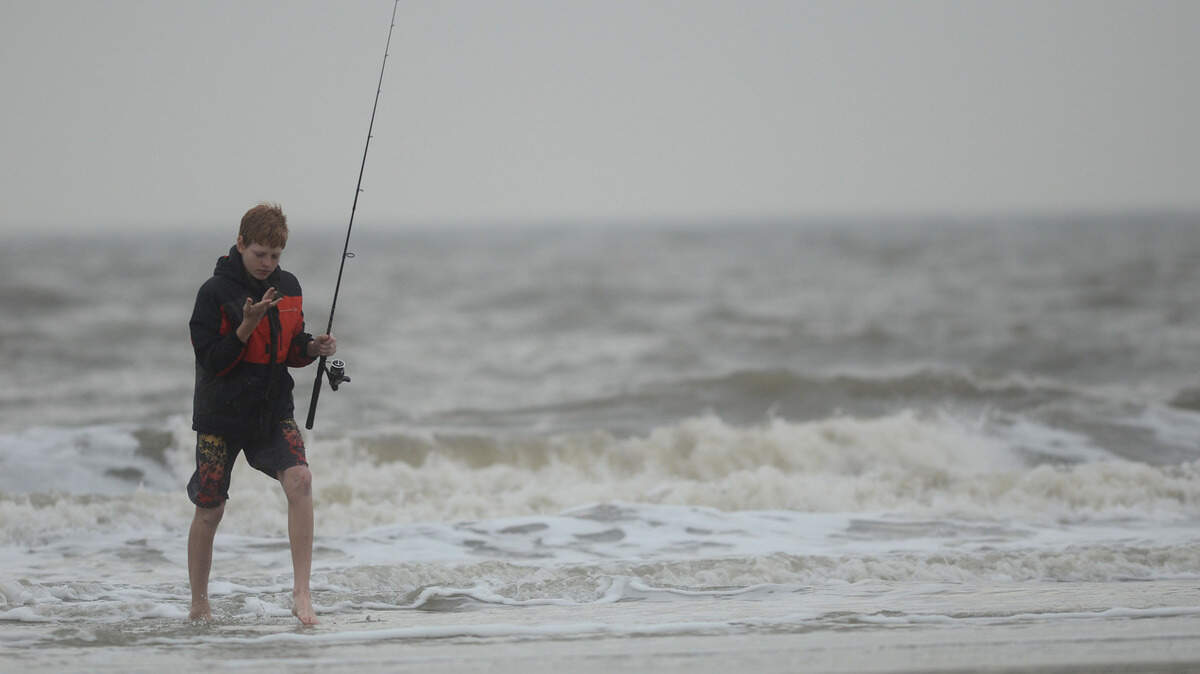
The summer's news reports of shark attacks made some beachgoers nervous, but the total number of bites in South Carolina ended up being only slightly higher than in previous years.
On Hilton Head Island, there was only one reported bite last year, the same as in 2014.
So it appears that a proposal to ban all fishing on Hilton Head beaches to protect beachgoers from sharks is based on fear rather than fact.
The Town Council's administrative committee has proposed ending fishing on all of the island's beaches from 10 a.m. to 5 p.m. from Memorial Day weekend to Labor Day. The proposal heads to the Public Facilities Committee on Jan. 25.
Crafters of the proposal acknowledge they are responding more to perception than reality.
Experts, in explaining the slightly higher number of shark attacks in North and South Carolina last year, speculated that warmer water temperatures drove more small fish closer to shore, and the sharks pursued. Unfortunately, some people got in the way of feeding sharks.
But it's safe to say that humans aren't on their menu. There hasn't been a fatal shark attack in South Carolina since 1852. In most cases, sharks quickly release and move on.
In 2015, a total of eight people in South Carolina had been confirmed bitten in an unprovoked attack, according to the International Shark Attack File. That was slightly more than recent years -- five in 2014 and six in 2013 -- but not significantly more, especially considering the millions of people who enter the ocean each year.
Hilton Head had one reported attack last year, when a 9-year-old girl was bitten in October on the hand near the Shipyard Plantation beach club, and it had one attack in May 2014, when a woman was bitten on the foot near Coligny Beach.
Both of those bites occurred during spring and fall, when sharks are typically more active close to shore.
Those bites also occurred outside the date range of the proposed fishing ban.
The island has gone some years without a single shark bite. Yet marine biologists note that sharks are ever-present in our waters, and researchers know Port Royal Sound is teeming with sharks.
So if sharks wanted to eat people, they easily could. But they have plenty of other, much more tasty food to pursue.
And judging by the meager catches of shore fishermen during popular beach-going times, sharks aren't rushing in for the offered bait on a hook. Most catches appear to be few and far between and less than a few feet long. Those small sharks that took the bait were already nearby.
Chumming for sharks, however, would be a danger. But the town already bans shark fishing on all of its beaches at all times.
It also already forbids any fishing in designated swimming areas -- which are at Alder, Coligny, Driessen, Folly Field, and Islanders beaches -- between 10 a.m. and 6 p.m. April 1 through Sept. 30.
Those rules have been on the books for many years. Violations carry fines of up to $500.
There's no need to change the rules or add to them.
The town has recognized, and state law mandates, that the beaches are public property below the high-water mark. They are there for everyone to enjoy -- and that includes recreational fishermen.
This story was originally published January 15, 2016 at 2:01 PM with the headline "Editorial: Surf-fishng ban idea, fails basic reality test."