
Can SC juvenile justice agency change course to better serve our youth?
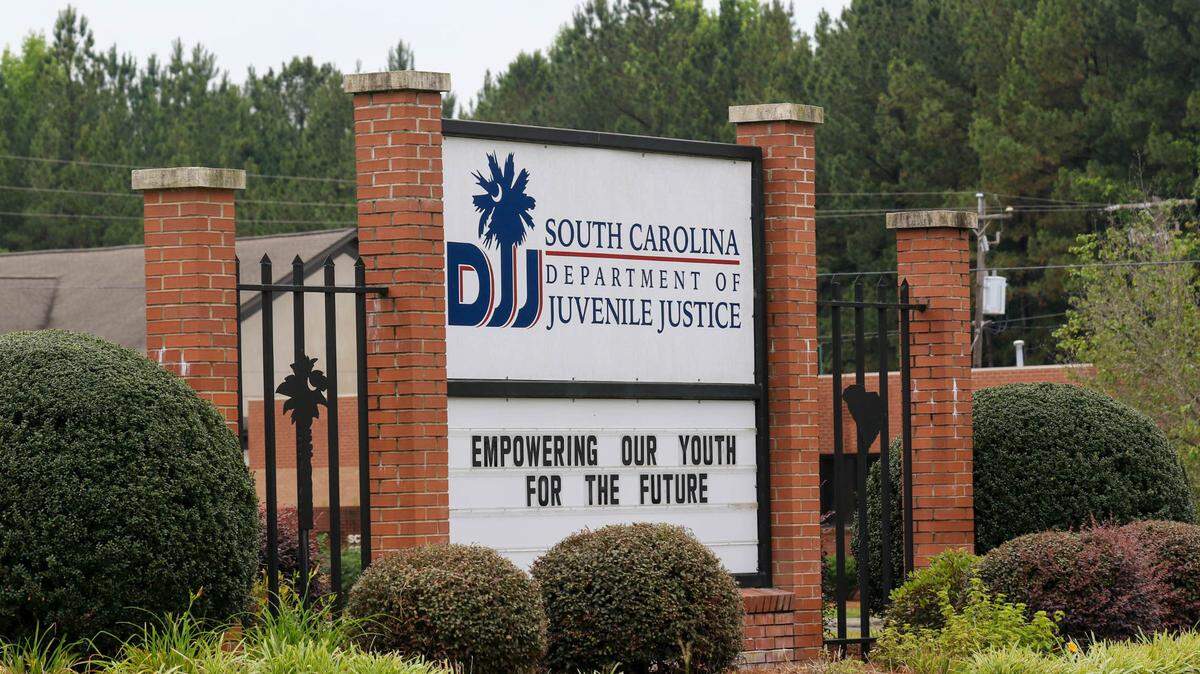
For the first time in several years, there is reason to be optimistic about the operations within the South Carolina Department of Juvenile Justice.
The agency’s acting director, Eden Hendrick, testified Tuesday before a State Senate panel about the changes she is implementing or plans to implement, and so far Hendrick seems to be moving at a fast clip to improve the agency and in turn better serve the young people in its care.
Hendrick’s decision to move the agency’s administrative staff from an offsite office complex back to offices at the Broad River Road Complex is crucial.
Moving the administration offsite set up a sort of absentee landlord situation, taking the people who run the agency away from the people they serve.
Bringing them back “behind the fence” demonstrates to the public that the agency is actually committed to its stated mission to “protect the public and reclaim juveniles through prevention, community services, education, and rehabilitative services in the least restrictive environment.”
Being onsite also means the agency’s leaders will see the day-to-day operations of the facility, making it harder, if not impossible, to ignore the challenges faced by the department’s staff and the needs of the children at the facility.
That also means it should be more focused on its vision of turning youth offenders into productive citizens, while lowering youth crime rates across the state and reducing recidivism.
Hendrick is also halting plans to take a regional approach to the department’s operations, which involved setting up smaller regional operations rather than focusing attention at Broad River Road.
The agency will complete construction already underway of two facilities in the Upstate and Lowcountry, but after that regionalizing the department’s functions will stop.
“I think focusing so much on regionalization has caused us to really lose sight of the kids that are actually in front of us and the kids that we’re actually taking care of,” she said.
She’s also overhauling human resources and looking for ways to entice new employees to come on board.
The State Senate panel welcomed Hendrick’s plans.
“I think you’ve done more in 28 days than I’ve heard in testimony for the previous three or four years,” state Sen. Michael Johnson, R-York, said.
Hendrick, however, stressed that while she is making changes the problems that have plagued the department won’t simply disappear.
“It didn’t become like this in the past four years. It got a little worse in the last four years, but DJJ needs to completely reform almost every aspect of what it’s doing,” she said.
The department continues to face staffing shortages and has seen an uptick in violent incidents in recent months.
In June, employees protested by walking off the job to highlight inadequate working conditions, and in September the agency’s director Freddie Pough resigned months after receiving a vote of no confidence from the full Senate.
Hendrick knows much work must be done to change the department’s culture and in her first 28 days she has shown she understands that.
Each day that a child is housed inside the fence is a day we, as a state, have to either help that child or perhaps lose them forever to the vicious cycle of making the wrong choices in life.
Let’s make sure we get it right.
This story was originally published October 20, 2021 at 12:48 PM with the headline "Can SC juvenile justice agency change course to better serve our youth?."