
Fresh SC tomatoes and butter beans: You can’t go wrong with a gift from heaven
God the Father Almighty smiles on South Carolina when the heat index tops 105 and the marsh grass turns a green so brilliant that only an artist like Jonathan Green can understand it.
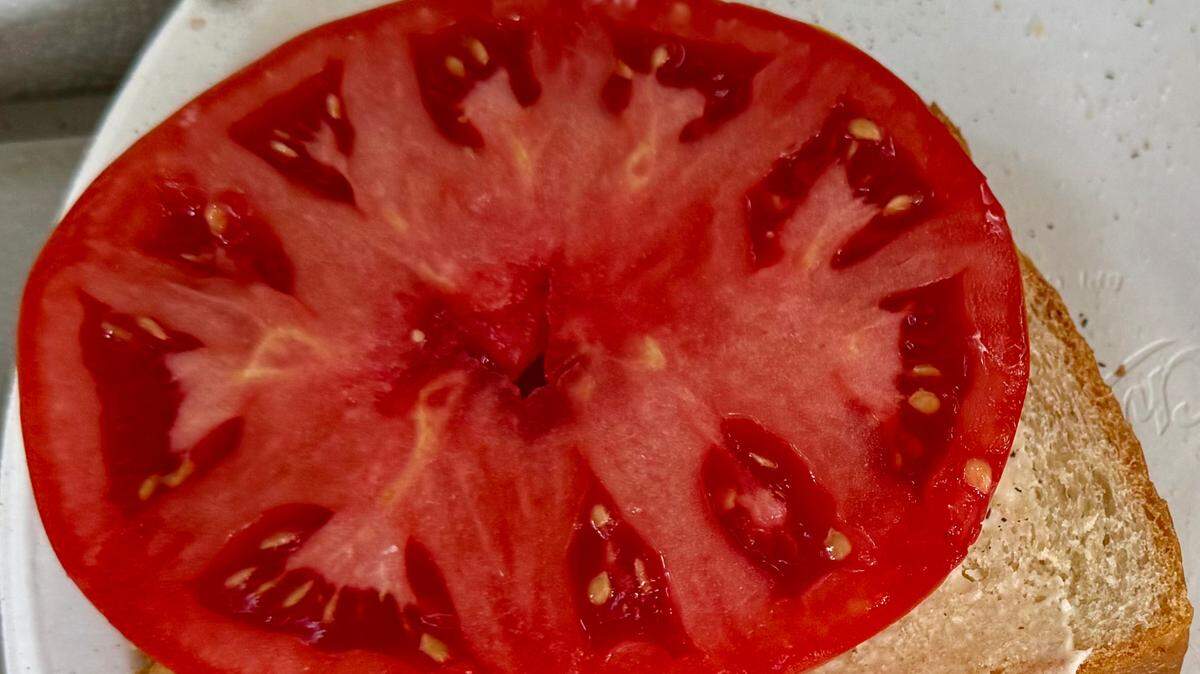
That means the time is right for our own works of art: a tomato sandwich and a pot of butter beans.
It’s time to pick big buckets of red tomatoes from the 130,000 vines planted by hand at Dempsey Farms on St. Helena Island.
My take on what to do next is simple. Spread a slab of Duke’s mayonnaise on cheap white bread, like the house brand at Dollar General. Slather the Duke’s on the top and bottom slices of bread. Then lay on a fat slice of tomato big enough to cover the whole thing, sprinkle it with salt, then lean over the kitchen sink and let the heavenly dripping begin.
But fixing butter beans is another whole story.
Our son-in-law, Nate, gifted us with two large bags of fresh shelled butter beans from a farm nearby. In one bag are tender little butter beans, and in the other are more colorful, speckled-looking beans.
I don’t know their pedigree, but their lineage is native to the South Carolina Lowcountry. Kevin Mitchell and David S. Shields tell in their 2021 book, “Taste the State: South Carolina’s Signature Foods, Recipes & Their Stories,” that the Sewee Native Americans of the Bull’s Bay area above Charleston “probably conveyed the bean to the residents of Charles Towne in a barter transaction in the 1680s or ’90s.”
Ours were conveyed to me from the window of Nate’s pickup truck, dropped off outside a car repair shop in a transaction that’s as close as I’ll ever get to a drug deal.
He asked me how to cook them.
I know how I do it, but I didn’t want the guilt of leading astray a boy from rural Ohio. So I turned to the gospel my mother and grandmother leaned on: Mrs. Dull.
Henrietta Dull’s “Southern Cooking” book has been a standard since 1928.
And, of course, she’s a story in herself. The book jacket tells that after marriage and six children, “Henrietta was still only 30 when her husband’s health failed and she found herself with a family to support.”
Mrs. Dull got straight to the point: Put the beans in twice as much cold water as beans, boil gently until tender, add salt and a small portion of sweet cream.
Others say to cook the beans with smoked meat, even add chicken bouillon and or onions and bacon grease.
From the Lowcountry, Vertamae Smart-Grosvenor covers bean-cooking in her landmark 1970 book “Vibration Cooking, or The Travel Notes of a Geechee Girl:”
“Remove all the peas that look weird and wash and soak in cold water. Cook in some kind of boiled meat until done.”
Sallie Ann Robinson tells how her grandmother Lavinia “Blossum” Robinson did it in “Gullah Home Cooking the Daufuskie Way.” She simmered smoked pork neck bone, fresh pig tails and pieces of ham hocks in water for at least an hour before adding the beans and salt and pepper to boil gently until tender.
Emily Meggett of Edisto Island, whose 2022 book “Gullah Geechee Home Cooking” made the New York Times best-seller list not long before she died, says to cook butter beans for about an hour in a large, heavy-bottomed pot of water, with a slice of salt pork, bacon or ham and a teaspoon of Nature’s Seasoning.
But in memory of the grand dame, add this beautifully simple idea from “Nathalie Dupreee’s Southern Memories: Recipes and Reminiscences.”
Natalie says to cook butter beans for only 20 or 30 minutes in water and half a stick of butter. Remove the beans and boil the liquid down a bit, season with salt and freshly ground pepper, and pour it back over the butter beans.
I told my son-in-law this: Don’t overcook them, add salt at the least, and do whatever else you like because you can’t go wrong with a gift from heaven.