
In South Carolina, clashes over seawalls suggest a bigger fight | Opinion
Myra Reece should have been quickly confirmed as director of the Department of Environmental Services; the state Senate took too long to confirm her, though it finally did Wednesday, 29-9.
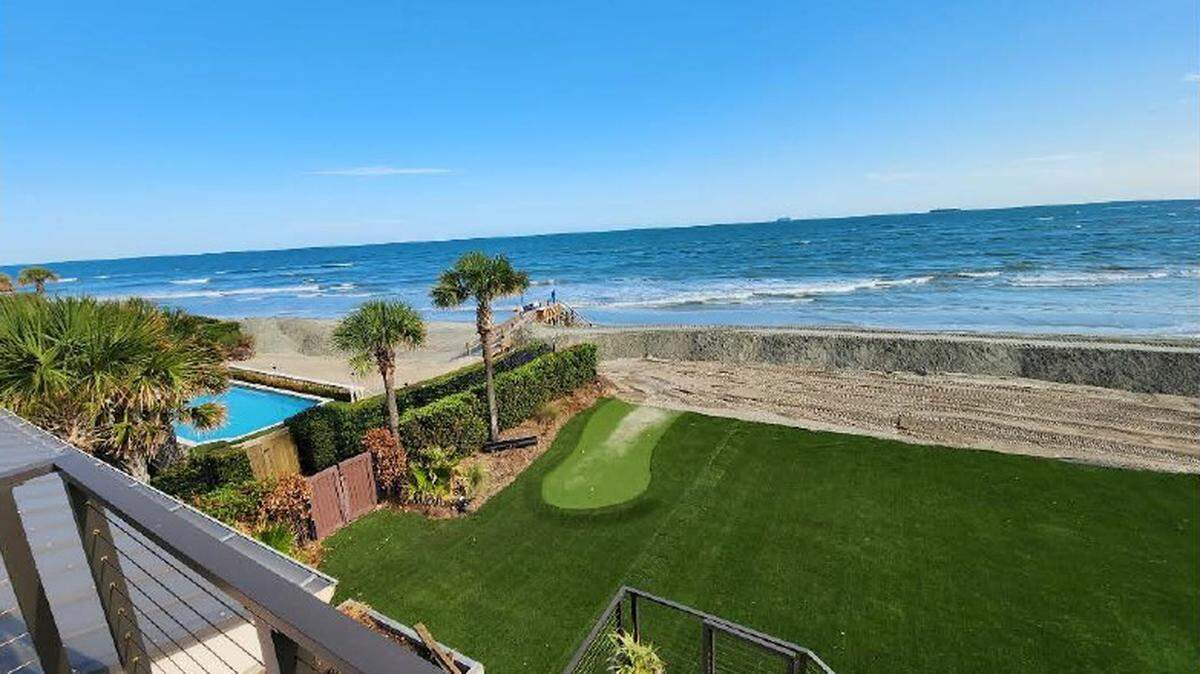
And every elected official in South Carolina should be expressing strong support for the state’s right — and responsibility — to protect our beaches, without question or exception. That means adhering to a strict ban on seawalls that restrict public beach access or risk increasing erosion. It means greenlighting strict enforcement of regulations that send a strong message to deter or punish those who decide to selfishly build seawalls anyway.
If ever there was an issue on which we should err on the side of overregulation (if we err at all), it is the protection of our coastline.
It’s where climate change realists — those who accept the overwhelming evidence and consensus among climate scientists that humans are contributing to unnerving changes — and skeptics should unite. As should environmentalists, developers and local government officials.
Each of us has a strong incentive to back such a stance.
BMW in Spartanburg and other high-paying manufacturers throughout the state are vital to our economy. We are dependent upon the growth of the health care sector, real estate, retail, agriculture and construction. But our economic engine is tourism.
And while Broadway at the Beach and a bevy of golf courses and restaurants in Myrtle Beach, unmatched historical tours in Charleston and resort offerings in Hilton Head Island attract millions of tourists every year, the state’s tourism is undergirded by the Atlantic Ocean, the sandy beaches along its shores and our relationship with those natural wonders.
There’s just no substitute.
Fortunately, it seems there is an overwhelming consensus about that truth, which is why I’m in alignment with Republican Gov. Henry McMaster, who wanted Reece confirmed and seems to want beach protections to be real.
Unfortunately, a few deep-pocketed South Carolina citizens who own beachfront property or represent those who do spent a lot of time lobbying against Reece’s confirmation, and years trying to undermine vital regulations. Republican state Sen. Stephen Goldfinch of Georgetown has been representing the deep pockets in the General Assembly and as a lawyer. I know the district Goldfinch represents. Most of his constituents are neither wealthy nor owners of beachfront property, though it feels as though he needs a reminder.
Goldfinch and others helped to delay Reece’s confirmation. And he’s introduced a bill in the Senate that would make coastline protection more difficult. Under such a law, the state Department of Environmental Services would have to pay the attorneys’ fees of people accused of breaking coastal laws — like building seawalls to protect their expensive home at the expense of the beach itself — if they won their case on appeal. It’s designed to chill enforcement.
It’s unlikely to pass the General Assembly this session, and never should.
There is more at stake than laws about seawalls, though. It’s about the mindset the state must adopt as climate change continues washing over us.
As a state, we alone won’t be able to reverse the tide of stronger hurricanes, historic levels of flooding or extreme temperatures that are becoming more frequent. And given that the Trump administration is rolling back efforts at the national level, such as exposing all important wetlands to potential development and cutting the size of the Federal Emergency Management Agency, we shouldn’t count on the federal government to save us.
But we can adjust by admitting that the seas are rising — and that our way of life must be adjusted.
I lived through Hurricane Hugo in 1989 and reported on people struggling to pick up after Hurricane Floyd in 1999. I’ve had a home in Goldfinch’s district since the mid-1990s. Though this isn’t California, the wildfires, we recently experienced, are becoming too common an occurrence in South Carolina. That’s why insurance rates are skyrocketing. That’s why we can no longer afford to debate. And that’s why we can’t allow a handful of wealthy people who decided to build on the coast to decide our fate just so they can enjoy the view a little bit better.
Our lives and livelihoods depend on us uniting for this common cause.
This story was originally published May 1, 2025 at 6:00 AM with the headline "In South Carolina, clashes over seawalls suggest a bigger fight | Opinion."