
Trump’s tariffs would help South Carolina shrimpers, but this can help now | Opinion
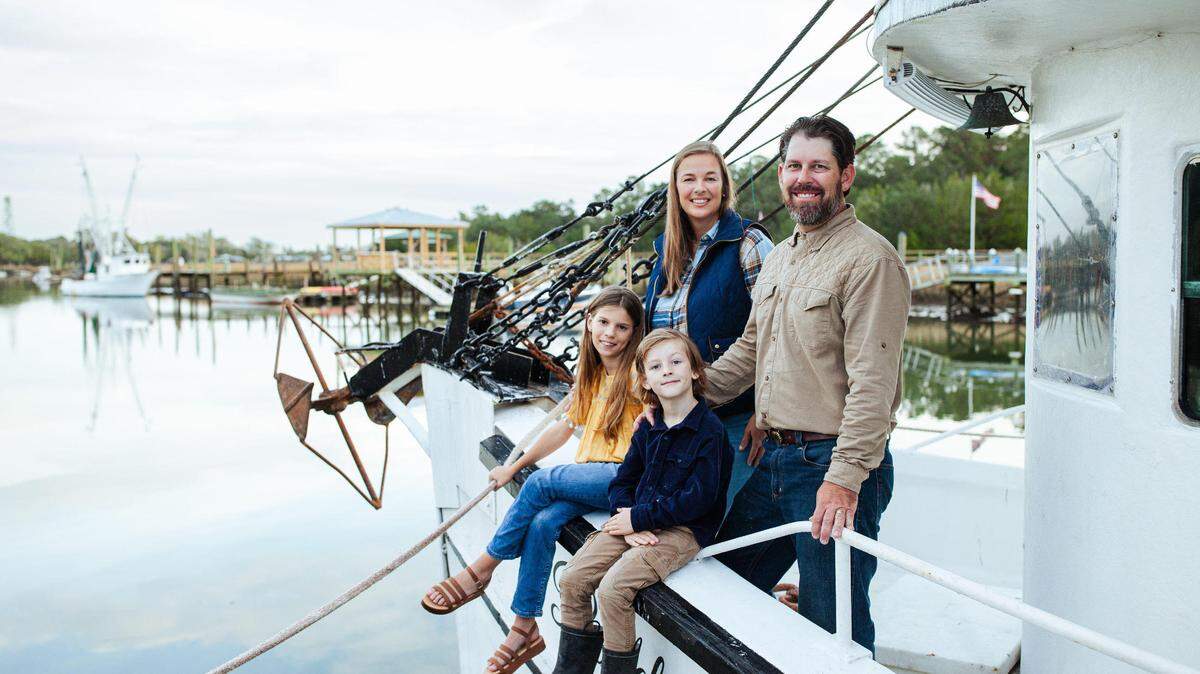
South Carolina’s coastal communities stand at a critical juncture, facing an existential threat. Our commercial fishing industry, particularly shrimpers, is under siege from unfair trade practices and a flood of imported seafood.
Commercial fishing employs hundreds of people and generates tens of millions of dollars a year in the state, but this isn’t merely an economic issue. It’s a direct assault on the livelihoods and cultural heritage of our coastal residents, threatening the very fabric of their communities.
Our shrimpers, tirelessly advocating for fair trade, recognize the urgency to align with national movements of the moment like the “America First” and “Make America Healthy Again” during the early months of the Trump administration.
We welcome President Donald Trump’s tariffs and his 90-day pause for negotiations. We hope this time will be used to apply maximum pressure to ensure international trade norms are followed, addressing the stark trade imbalances and predatory practices that undermine our industry through unfair subsidies and market oversaturation.
But we cannot afford to wait for the slow wheels of change in Washington. We need urgent, state-level action. The creation of a South Carolina Seafood Task Force, empowered to act swiftly and decisively, is essential to address these pressing concerns.
While the imported shrimp crisis is the most pressing issue facing shrimpers like me, this seafood task force could be a crucial vehicle to address the entirety of challenges facing our commercial seafood industry. From the needs of crabbers and oystermen to those of fin fishermen, a comprehensive and consistent approach will ensure a viable future for all.
The threats are multifaceted and deeply concerning.
First, the immense volume of cheap, often unsafe, imported shrimp floods our markets, driving down prices and stifling local businesses. Second, volatile market prices, influenced by global trade, make it impossible for local shrimpers to plan and invest in our future. Third, our aging infrastructure, including inadequate processing and storage facilities, hinders our ability to compete in a modern market. Finally, we face regulatory hurdles that often create more problems than they solve, stifling innovation and growth.
A seafood task force could deliver recommendations and relief. Within six months, it could generate a preliminary report outlining immediate measures to help struggling shrimpers. Within 12 months, it could produce a comprehensive economic analysis and market strategy to ensure long-term sustainability. By 18 months, it could have a detailed plan for infrastructure modernization and implementation of recommendations.
Accountability and transparency are critical to this process. Each recommendation would be accompanied by a thorough feasibility study and a clear implementation plan, with defined benchmarks for success. Quarterly progress reports would be presented to the General Assembly and the Governor’s Office, ensuring tangible results and fostering public trust.
Solutions would have to be concrete and impactful. Modernizing facilities could mean investing in state-of-the-art cold storage to reduce waste and allow shrimpers to hold product for better price negotiation. It could also mean upgrading existing processing plants and investing in new plants to meet modern food safety standards and enable the creation of value-added seafood products like shrimp dips and breaded shrimp. Incentives for efficient vessels, species diversification, and shrimp size marketability could result in more sustainable fishing practices.
The state has long celebrated its success in agriculture, but our seafood industry demands equal attention and support. With the help of a new seafood task force, we could cultivate a robust, sustainable seafood economy that benefits both our communities and our consumers. It could include industry experts, officials from state agencies like the departments of Natural Resources, Public Health, Agriculture and Commerce, university leaders and lawmakers. Commercial fishermen and dock owners, whose practical knowledge is invaluable, must also be at the table.
Public-private partnerships, cooperative cold storage, and targeted economic incentives are crucial for revitalizing our industry. Establishing modern processing and inland distribution hubs is vital for efficient product movement. Investing in infrastructure upgrades and value-added product development would secure the long-term viability of our seafood sector. Enhanced marketing strategies that mirror the proven success of agricultural campaigns could boost consumer demand for high-quality, locally sourced South Carolina seafood.
The vitality of our coastal communities depends on the strength of our commercial fishing industry. By uniting our state’s best minds and resources, we could chart a prosperous course for the South Carolina seafood industry, ensuring its prosperity for generations to come.
Our goal is not only to save an industry. This is about preserving a way of life, a legacy that defines our coastal communities and enriches our state.
This story was originally published April 17, 2025 at 6:00 AM with the headline "Trump’s tariffs would help South Carolina shrimpers, but this can help now | Opinion."