
Transportation, not workforce housing, is the answer on Hilton Head | Op-Ed
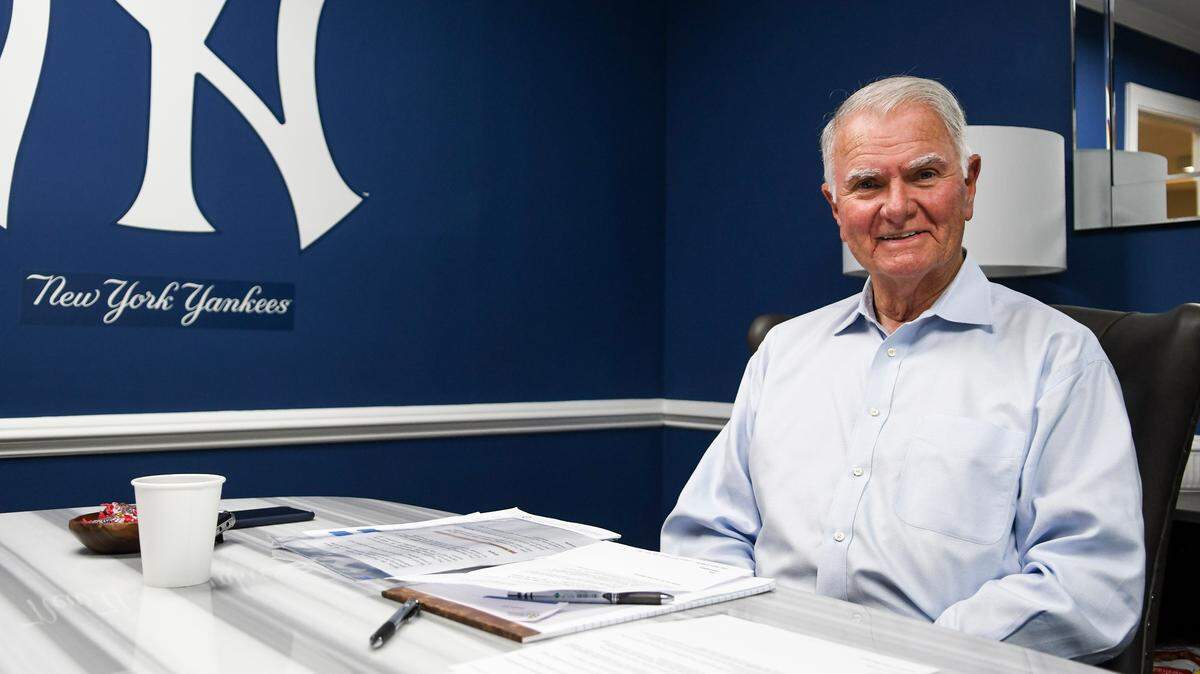
To prepare for the Hilton Head Island Town Council’s annual workshop, held Jan. 28-29, Council members and Mayor John McCann were asked to deliver “I believe” statements that touched on their beliefs and visions for Hilton Head Island.
Here is Mayor McCann’s statement, edited for brevity:
I understand poverty and I understand wealth.
Growing up in Brooklyn, New York, I had a younger brother and a younger sister, a mother and father, and all five of us lived in a one-bedroom apartment, so I understand what poverty is. I understand walking to school.
I understand shirts where you put a hole in the elbow of your shirt and it became a short-sleeved shirt.
So I understand poverty.
I also understand wealth, because I think wealth is developed by people working hard and doing the right things.
There are native people, people on this island that have more than one job to make a better life for themselves and their family.
These are people that want to do something for themselves and their family. That’s how you get out of poverty. You have this desire to do it on your own.
I believe there are certain things missing when we talk about workforce. It was workforce in the beginning. When I looked at my notes from six years ago when I ran for office, in workforce was transportation. Every year we meet, every year we talk about workforce housing.
I don’t believe workforce housing is personally the answer. I think transportation is the biggest part. There are people that live in other places that want to work here, want to come here, but they don’t want to live here.
People are happy with their churches and their neighbors in Walterboro and Bluffton. They just want to come here for the day.
We have always avoided the topic of transportation.
Now, I know we can’t build a monorail down [U.S.] 278, and I know we can’t build a tunnel, but there has to be some kind of bus parking area, mass parking, where we can accomplish some of that along the way.
And also, we talk about housing. We don’t really know the problems we have. I believe we have a large problem here of homeless. I believe we have a large problem here of people that are poor. Very poor.
And I think we don’t address the issue. Now, I’m not even talking of considering building a shelter here, but we don’t know the numbers of people that are homeless. We don’t know the numbers of people that are really poor or in poverty that go over to Cherry Hill School everyday along the way.
We don’t know that. And it’s time we gather that data before we decide what housing we’re going to build, what we’re going to change in [The Land Management Ordinance.]
We need to know the population here and what they do along the way. I’m not suggesting we do like Savannah and build shelters. That’s not what we’re going to do.
I also believe that the regionalization is very important. Not only can we steal people from there, but we also have the ability to work together. We started a dialogue this year with the mayor of Savannah, which has worked out well for us. When we needed masks the other day, more masks, we went to Hardeeville, and they found the masks for us.
Regionalization is what we’re all about, and we have to continue to work at that all the time.
Now, you’re going to see today we’re going to go through a lot of things, I think that the parks are our biggest asset, our No. 1 venture out there, because they do things for all people. They do things for poor people, rich people, tourists, they do things for everybody. So parks are very important.
I also think the park that used to be at Port Royal Plantation, now is called northern park, is very key to us in our decision.
The commercial area in center island is crashing much bigger than we think. When we lost Stein Mart, everybody was shocked, and we couldn’t get a major tenant for Sea Turtle Marketplace. And now we hear that Sam’s is going to become a multi-storage place. And we look at North Ridge Plaza: There is nothing there but run-down stores. That could be the poorest area in the country.
A park in that part of the island would be a big step for us because it’s something where people will come there to see our park and then say, “This might not be a bad place to invest.” So I think it’s very important that we look at that project along the way.
I also believe that Charles Fraser has done a lot for this community. Charles Fraser’s not here anymore. The good ones are here, people from Coastal are here, the people in this room that are here. We can’t live on what someone did before, someone who did great things, and bad things.
It’s up to us to be the new group.
We shouldn’t live on the past or quote from the past. There’s an awful, awful lot we can do.
I like working with this council. I think it’s a great job. Thank you all very much.
This story was originally published February 3, 2021 at 4:20 AM.