Heavy rain prompts flash flood warning, closed intersections in Beaufort County
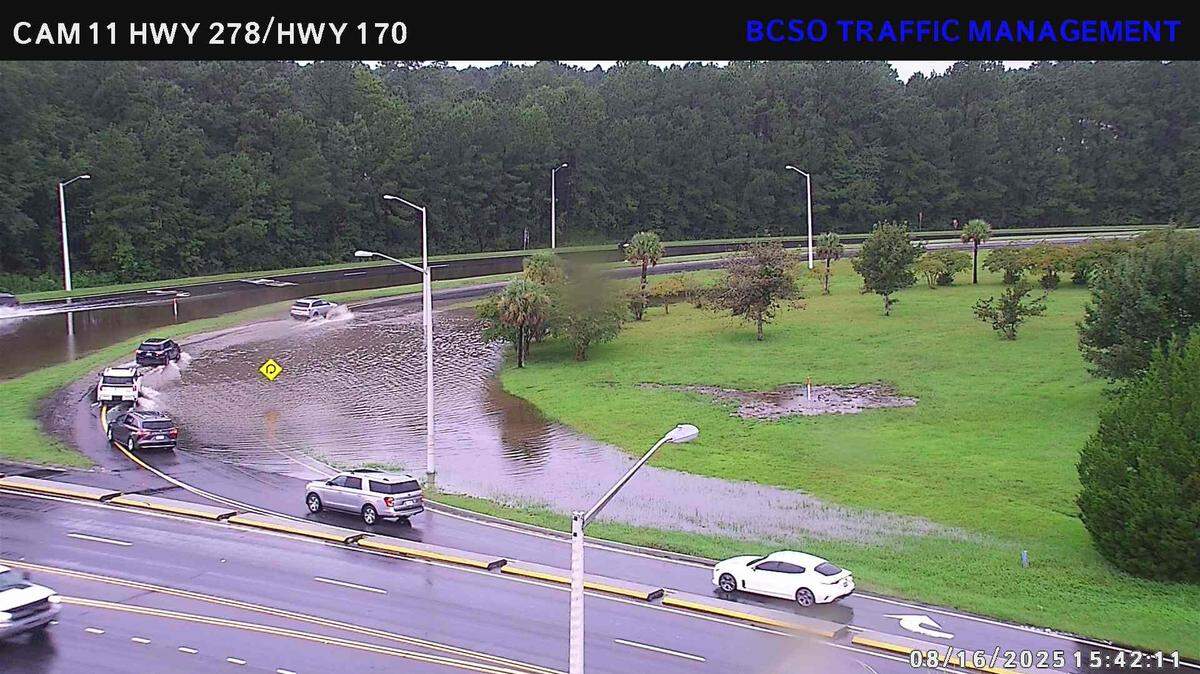
Following an afternoon of thunderstorms and heavy rain, the National Weather Service has issued a flash flood warning for several areas including parts of Beaufort and Jasper County.
The ramp to U.S. 278 Eastbound from S.C. 170 has been shut down by the South Carolina Department of Transportation due to flooding. The S.C. 170 and Castlerock Road intersection near Beaufort and Port Royal is also flooded and shut down by SCDOT. It is not yet clear when the intersections will be reopened.
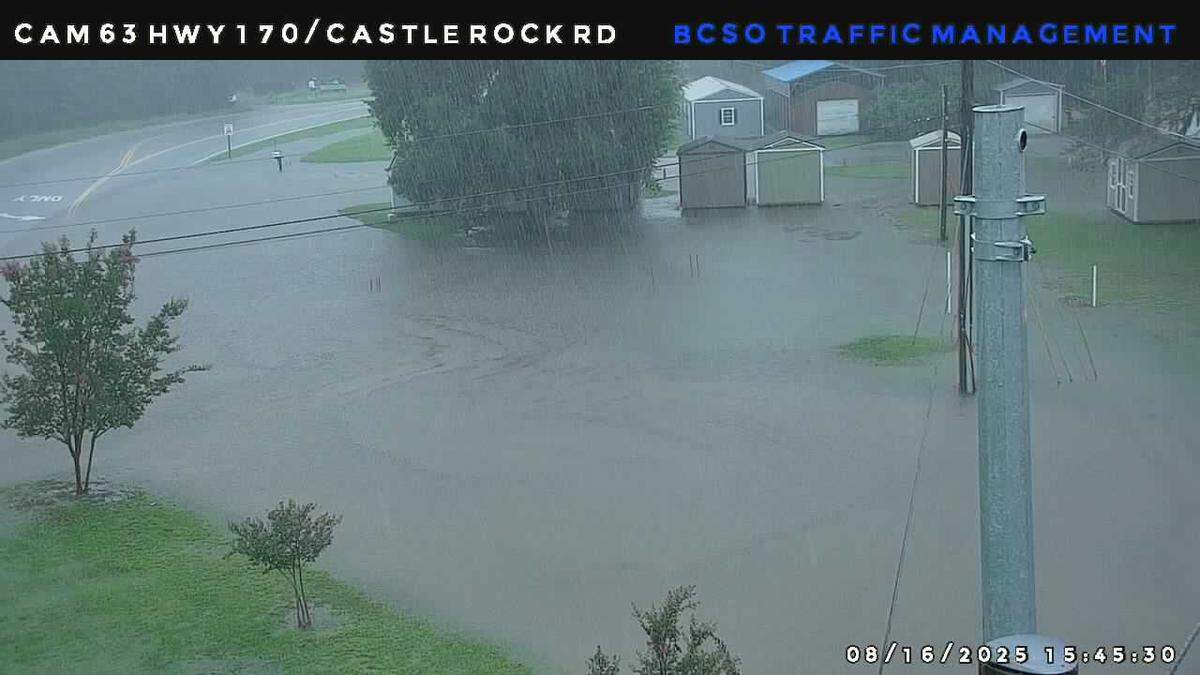
The Beaufort County Sheriff’s Office has also urged caution when driving through Burton as there is high water in multiple areas. Currently, Broad River Boulevard and County Shed Road are affected.
According to the NWS, between 3 and 5 inches of rain have fallen in the area, and the region can expect an additional 1 to 3 inches in the coming hours. Areas with poor drainage and low-lying areas are most likely to be affected by flash flooding.
Thunderstorms and rain showers will continue through the evening hours, though the flash flood warning will end at 5:45 p.m.
This story was originally published August 16, 2025 at 4:29 PM.