Will glut of rain be gut punch to Beaufort’s shrimpers? What will happen to the fall harvest?
Will the deluge of rain that Tropical Storm Debby dumped on the Lowcountry be another gut punch to the struggling Beaufort-area shrimp industry? Maybe — if the downpour flushes away juvenile shrimp currently growing in salt marsh tidal creeks. The uncertainty comes just as local shrimpers are preparing their vessels for the fall white shrimp harvest, which is the largest crop of the year for the Palmetto state’s most important commercial fishery.
Roe shrimp spawn offshore, but the larvae track back to nurseries closer to shore before navigating back to area sounds or the ocean.
As they grow, young shrimp need rain to develop properly, according to the South Carolina Department of Natural Resources. Dry summers can result in higher salinity levels that produce smaller white shrimp populations.
Too much rainfall can make a difference
Too much rainfall can also lower salinity levels of the shallow estuary creeks and coastal rivers where juveniles mature. And that, in turn, can force young shrimp into open water where size can be impared and survival rates are reduced. Poor commercial harvests can follow, SCDNR says.
“You can have catastrophic effects from too much fresh water,” says Craig Reaves, a shrimp boat captain who owns Sea Eagle Market in Beaufort.
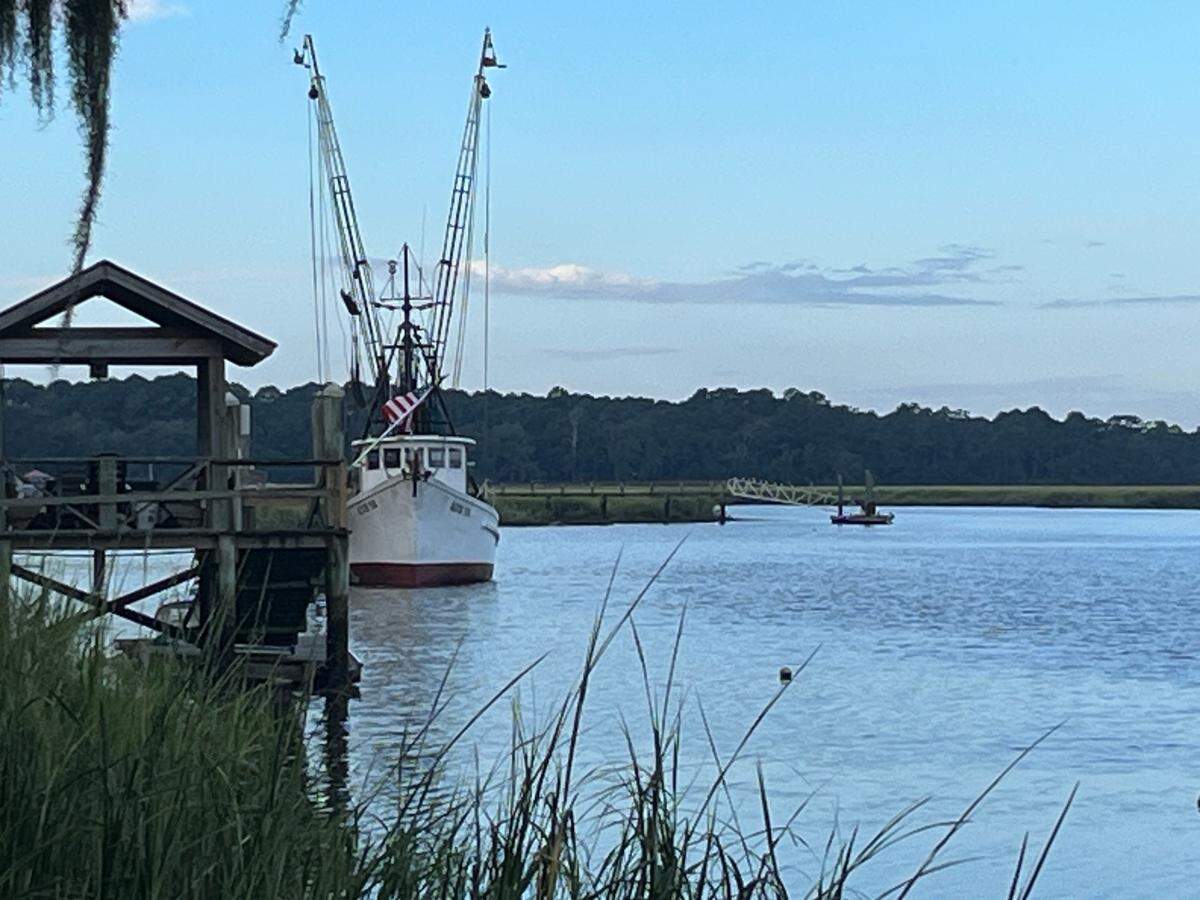
Big storms like Debby can flush out the estuaries “and your fall crop could be gone,” adds Reaves. But the long-time shrimper also notes that rainfall can have positive impacts. It’s a waiting game now to see how the harvest turns out in Debby’s wake.
“All this fresh water is coming to the ocean,” Reaves says. “It’s definitely got an effect. Whether it will be positive or negative, I can’t answer.”
Good shrimp harvests have followed some hurricanes, Reaves said, like Hurricane Hugo in 1989. “There was a tremendous amount of shrimp, but it hit in late September,” Reaves says.
“There’s a lot of factors,” Reaves says. “Everybody is a little anxious or concerned that we just don’t know what it will do to our fall crop.”
Rainfall not the only concern for shrimpers
Rain that fell during Tropical Storm Debby — even rainfall west of Interstate 95 — will drain through area estuaries where juvenile shrimp are now growing and ultimately into Port Royal and St. Helena sounds, where shrimpers lower their nets, Reaves notes.
Uncertainty about the upcoming fall white shrimp harvest comes as the local community of shrimpers and related businesses already are suffering from a glut of farm-raised shrimp they say is flooding the U.S. market, reducing prices for wild shrimp they catch in local waters.
Even before Debby moved through, the Southern Shrimp Alliance, which represents shrimp fishermen and processors in Alabama, Florida, Georgia, Louisiana, Mississippi, North Carolina, South Carolina, and Texas, was pleading for a region-wide fishery resource disaster declaration from the federal government, calling the situation and “unprecedented catastrophic crises.”
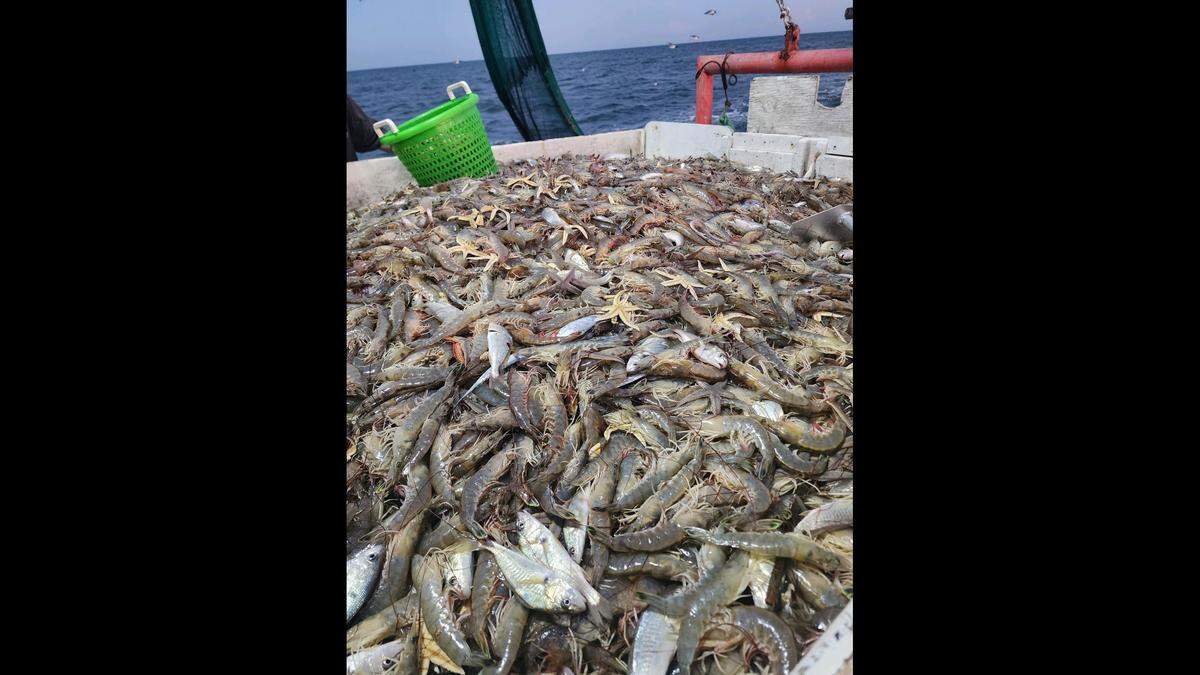
Like too many farm-raised foreign fish, too much fresh water is a problem, too, for both shrimp and oysters, says Reaves.
“Underdeveloped larvae from shrimp could potentially die,” he said. “I’ve seen oyster beds affected by too much rain especially in the Broad River.”
The four-day rainfall totals over parts of Bluffton and Beaufort measured between 10 and 13 total inches compared to 10 to 12 inches during Hurricane Matthew in 2016, the National Weather Service said.
“I’m thankful the storm wasn’t any worse that it was,” said Reaves, but “that’s still a lot of water.”
Fall shrimp season looms
In the fall white shrimp season, landings of young white shrimp by the commercial fleet usually begin in August, peaking in September and October, with the season continuing into December and sometimes January.
It typically produces the largest catch of South Carolina’s three shrimp seasons, with the shrimp caught in the fall the offspring of the spring spawn.
The total shrimp harvest from the spring, summer and fall seasons averaged 2.6 million pounds between 2018 and 2022, with a market value of $8 million annually, with the vast majority white and brown shrimp.
Currently, the brown shrimp season is underway. But shrimpers say Tropical Storm Debby did not have much of an impact on that harvest because it is a slow time of year anyway. Over the last decade or so, the brown shrimp season has been depressed, Reaves says. And with the higher water temperatures this time of year, sharks have a field day with the nets as they try to steal the catch from shrimp trawlers.
“For every hour you shrimp, you have an hour worth of net work, maybe more,” Reaves says.
Cyndy Carr of Gay Fish company on St. Helena Island said shrimp boat captains who sell their catch to the longstanding business have not gone back out yet because shrimp are transitioning between the large full-grown white shrimp to the smaller white shrimp that make up the fall crop. She also says sharks cause problems for shrimpers this time of year.
The retail store at Gay Fish Company reopened Thursday after being closed for a few days because of the tropical storm, which caused no damage at the store or the docks.
“All in all, we were pretty lucky, “ Carr said.
This story was originally published August 9, 2024 at 12:43 PM.