After devastating tornado, Hilton Head Fire Rescue jumps in to help neighboring town
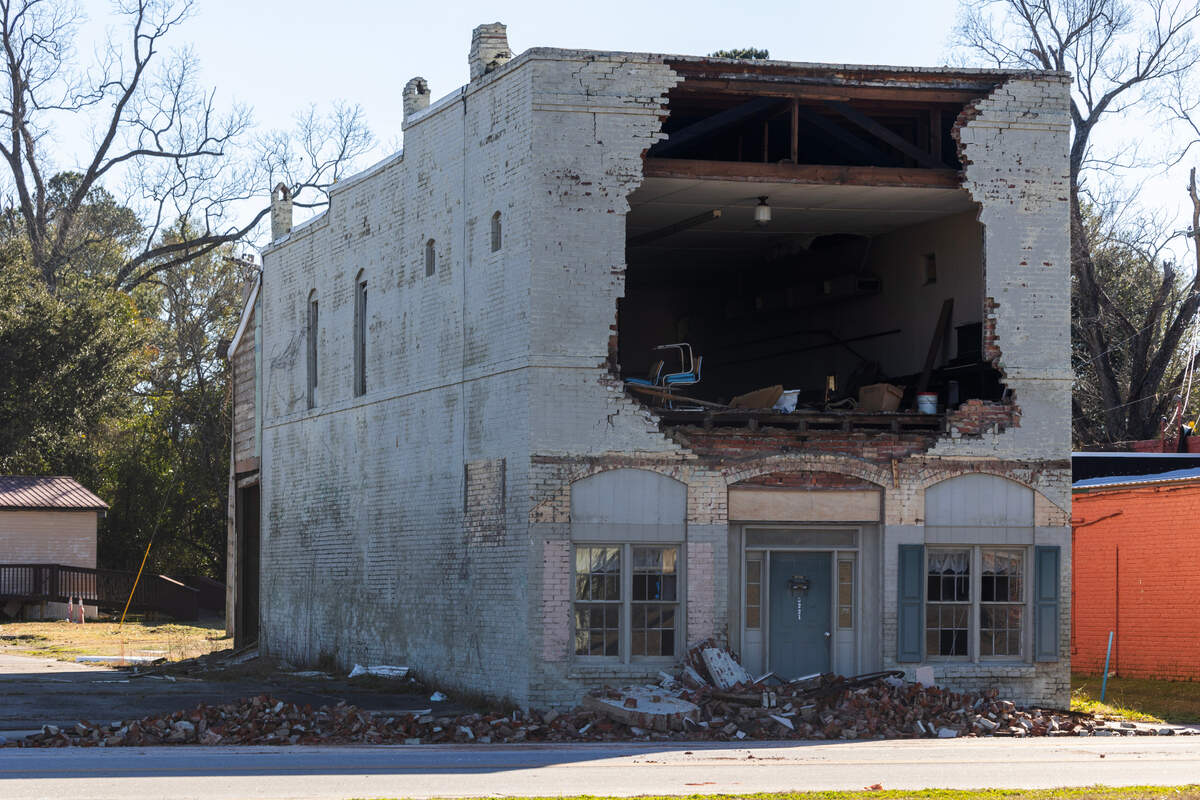
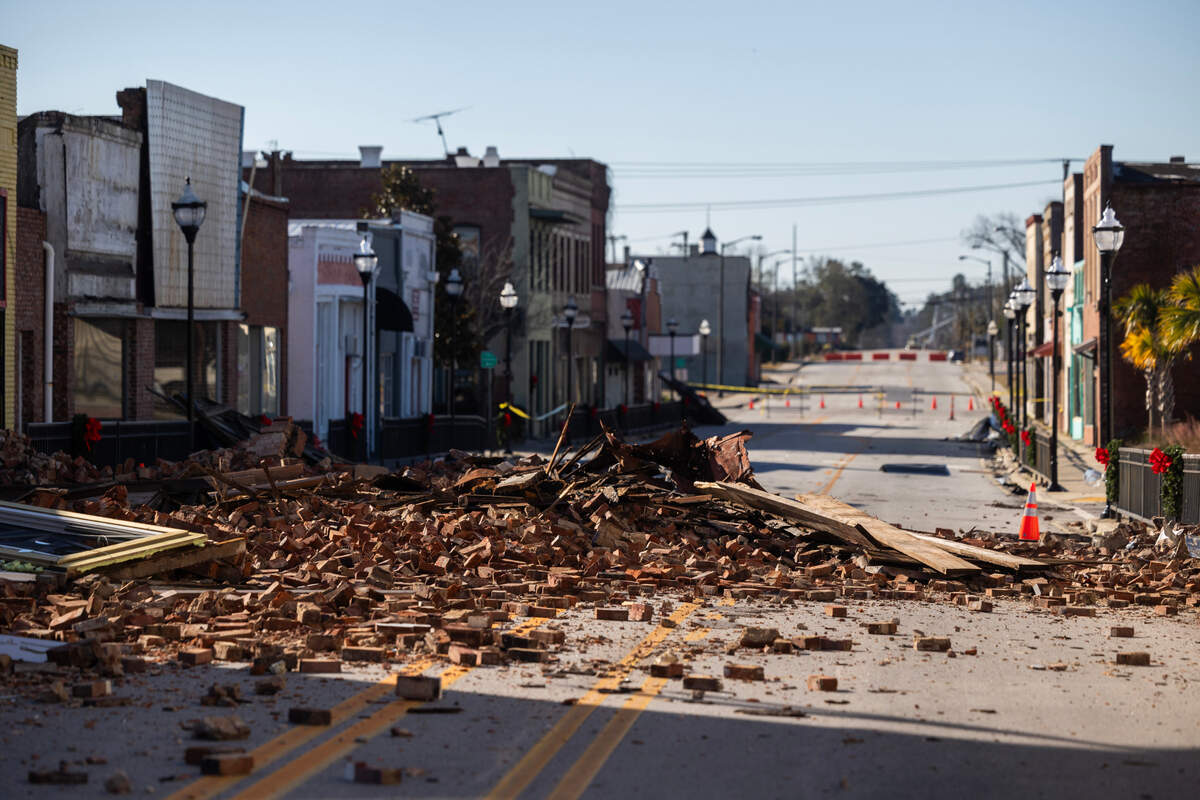
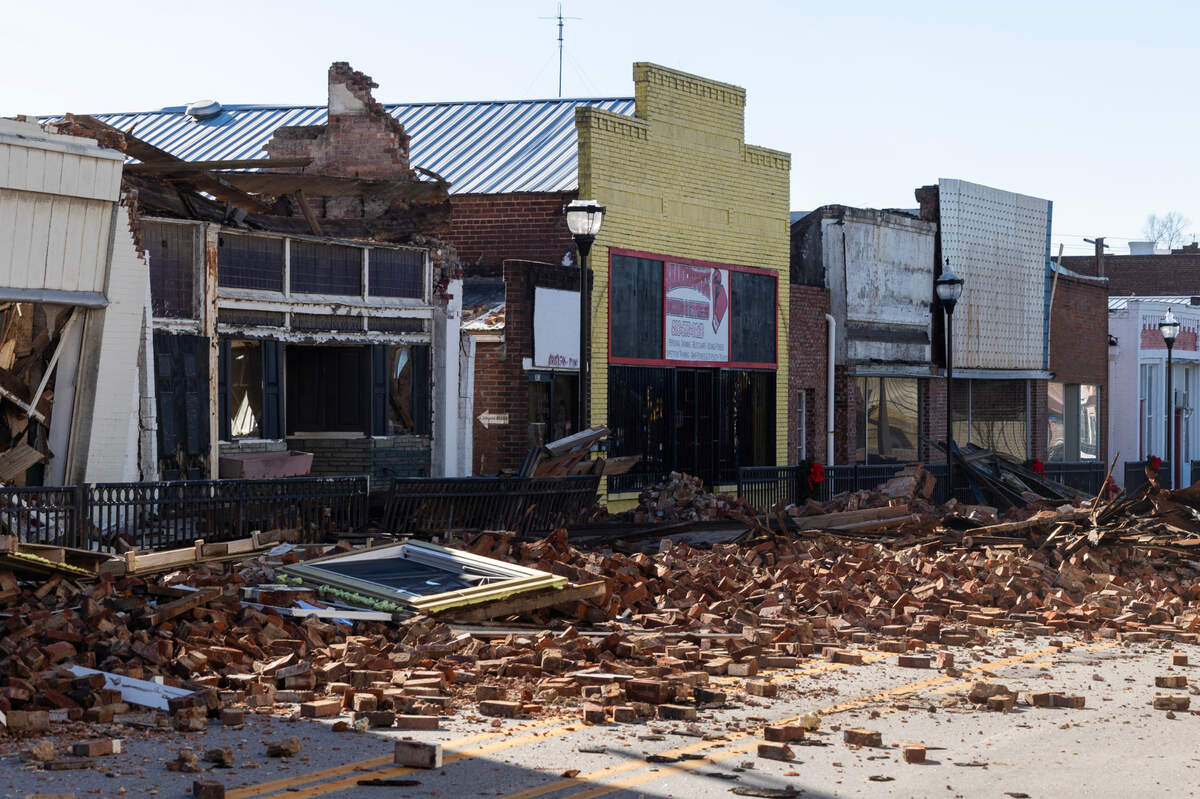
An EF2 tornado with wind speeds of up to 125 mph ripped through the small town of Bamberg last Tuesday afternoon causing the collapse of one brick building and seriously damaging several other adjacent properties on main street.
Members of Hilton Head Island Fire Rescue and Bluffton Township Fire District responded to Bamberg’s plea for assistance and traveled nearly 100 miles north to assist local first responders in securing the area. Five Hilton Head firefighters arrived Tuesday night, shortly after the tornado passed, with nine more members of the department pitching in on Wednesday. The firefighters’ responsibilities included assessing the damage and searching the area for anyone injured or trapped in the rubble. Given the severity of the destruction to the town’s commercial buildings it is remarkable there were no reported injuries or fatalities.
Tornadoes are rated by their wind speed with an EF2 being the third most severe on a scale of zero to five. According to the National Weather Service, an EF2 tornado delivers destructive winds between 111 and 135 mph and is rated as “significant.”
The primary responsibility for the Hilton Head team was to walk through damaged buildings looking for signs that the tornado left the structures unsound or unsafe. Their assessments were used to determine if there was additional imminent risk of wall or roof collapses.
Preparation is key
“We train for it,” Lt. Tim Huser said. Huser has been with the Hilton Head Island Fire Rescue for 14 years and is a member of one of the five regional teams that make up the South Carolina Emergency Response Task Force. “It’s something that a lot of us have seen before so it wasn’t surprising.”
The teams respond to a range of state disasters from earthquakes and hurricanes to churches catching on fire. Huser said not many people know about the teams and localities shouldn’t hesitate to reach out to them for help.
.
Once a firefighter joins their local department, they must interview and take mandatory classes to join the task force. Then, they have to meet a minimum amount of training every year. Huser said it prepares them to stay safe and keep others safe.