
Rabies cases in SC rise in late summer, DPH says. Here’s how to protect yourself
Heat and mosquitoes aren’t the only things that summer brings in South Carolina.
Rabies is more prevalent in the late summer months in the Southeast, so cases of exposure to the disease are more likely in the next few months, according to the SC Department of Public Health.
Even though rabies has become a lot less dangerous to humans, with the number of rabies-related deaths declining from more than 100 annually to one or two per year across the U.S., it’s still a serious disease that requires monitoring and preventive measures.
Here’s what you should know about rabies:
What is rabies?
Rabies is a virus (Lyssavirus) that can be transmitted when saliva or neural tissue of an infected animal is introduced into the body of a healthy person or animal. It infects cells in the central nervous system, causing disease in the brain and, ultimately, death, according to the SCDPH.
“Rabies is a serious, life-threatening disease that requires people to be attentive to animals they come into contact with as well as take precautions to protect themselves by protecting their pets, particularly through vaccination,” said Terri McCollister, DPH’s Rabies Program Manager.
It’s important to note that while the disease is fatal for animals and humans if left untreated, rabies in humans can be treated 100% of the time if appropriate medical care is provided before symptoms appear.
You can’t tell if an animal has rabies just by looking at them, which is why it is strongly encouraged to avoid all contact with wild or stray animals. The primary carriers of rabies in SC are these animals:
- Raccoons
- Skunks
- Foxes
- Bats
What animals are more exposed to rabies in the summer?
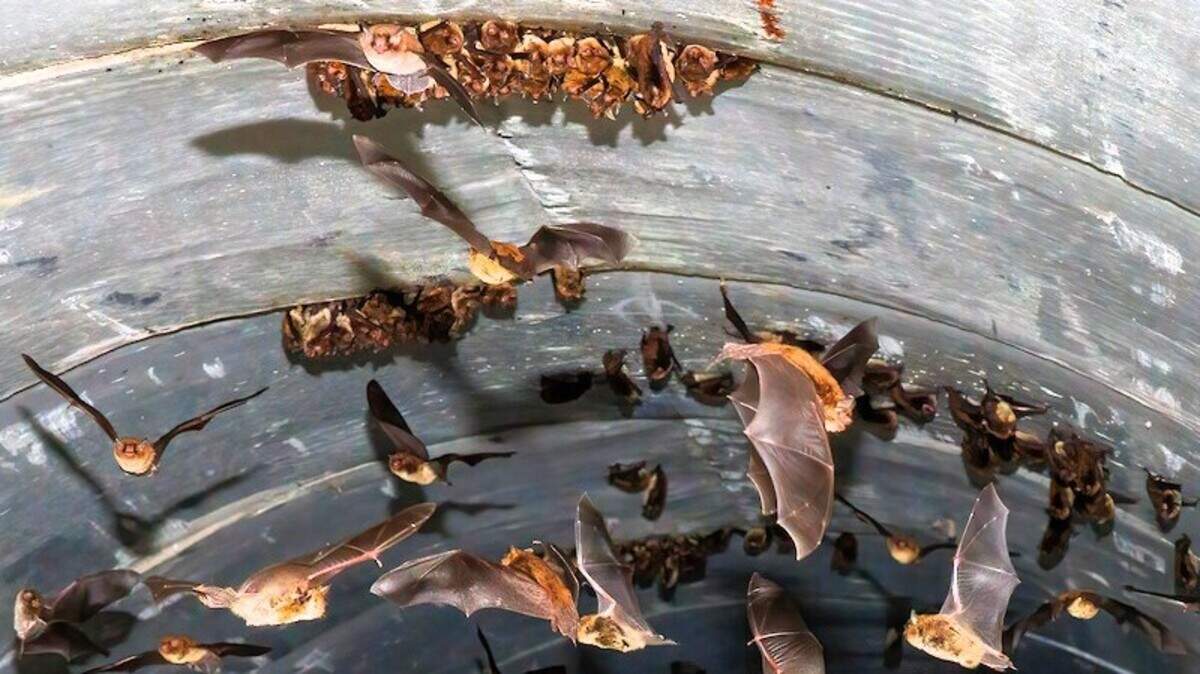
There is usually an increase in bat exposure during the summer because it’s right in the middle of the bat maternity season, the SCDPH said.
A person can be bitten by a bat and be unaware of it because bats have tiny teeth that don’t cause much pain. A person is considered to have been exposed to a bat when:
- People wake up to find a bat in their living space (i.e., bedroom, tent, living room, etc.)
- A bat is found where children, pets or people with impaired mental capacity (intoxicated or mentally disabled) have been left unattended
- A pet or person has been in direct contact with a bat
“A bat that is active by day, found where bats are not usually seen, or is unable to fly is far more likely to be rabid. However, there is no guarantee that a rabid bat will behave any differently than a healthy bat,” McCollister said.
You can find everything you need to know about bat exposure on DPH’s website.
There have already been cases of rabid bat exposure in SC this year, with the DPH reporting an exposure earlier in May.
When is peak rabies season?
Some states see more rabies cases at different times of the year, but in SC, exposure to rabies is more prevalent in the late summer and early fall months.
“It is a normal trend to see increased positive cases of rabies in South Carolina between the months of August and October. The exact reason for this isn’t known, but there are several human and animal behavior factors that might be involved. Other southeastern states have similar trends,” McCollister said.
Preventive measures against rabies
If you have been exposed to a wild, stray or domestic animal, seek medical attention to determine whether any follow‑up care is needed.
Immediately wash the affected area with plenty of soap and water. If you do not seek medical treatment for the wound, you are required to contact your county office to report the incident by the end of the following business day. Visit DPH’s Rabies Contacts and Reporting webpage for more information.
While rabies is a fatal sentence for animals, it’s only a medical urgency, not an emergency, for humans. Rabies in humans is 100% preventable through prompt, appropriate medical care.
The best way to protect yourself against rabies is by keeping your domestic animals/livestock up-to-date on their rabies vaccination.
This story was originally published July 11, 2026 at 6:00 AM with the headline "Rabies cases in SC rise in late summer, DPH says. Here’s how to protect yourself."