
Sometimes called bullies and thugs, these plants have been banned from SC. See which are worst
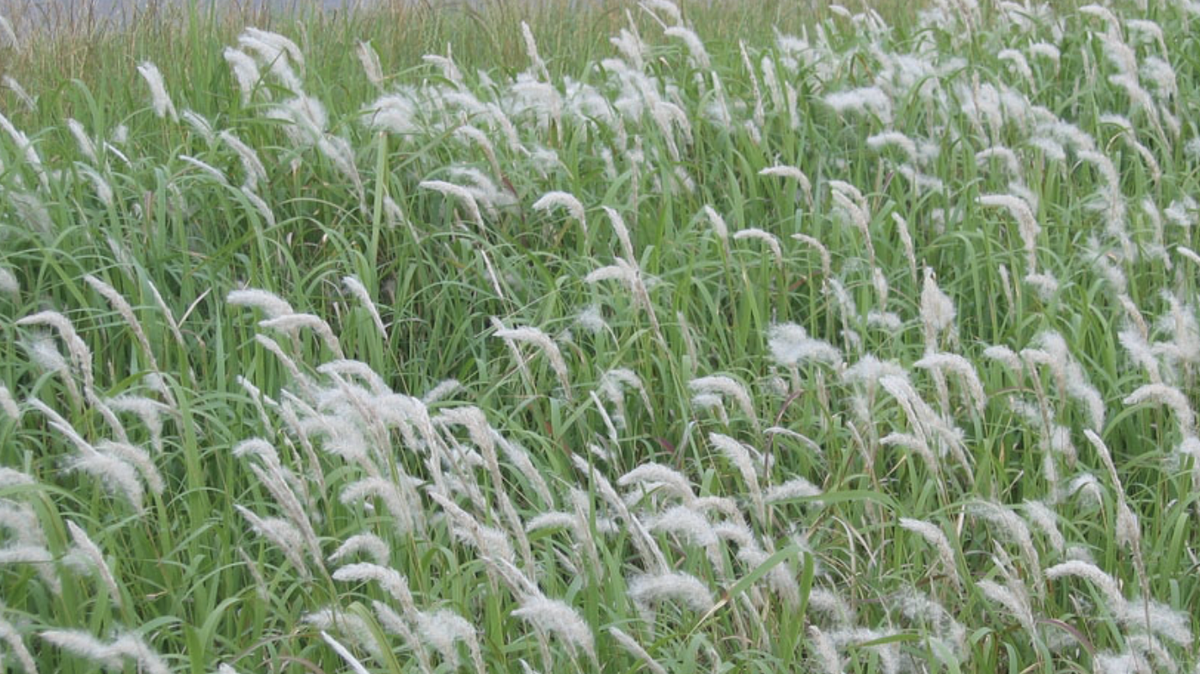
South Carolina has banned 103 plants for sale in the state and it’s hard to say precisely which is the worst, but congongrass has to be high on the list.
“Many would argue that Cogongrass is the worst terrestrial weed on our list with an ability to overtake all native plants in a landscape and increasing fire threats where it’s present.” said Steven H. Long, the assistant director and state plant regulatory official with the Department of Plant Industry at Clemson University.
Cogongrass is also classified as a federal noxious weed and infests 153 billion acres worldwide and is a major problem throughout the Southeast US, he said.
“Cogongrass is a perennial grass native to Southeast Asia that arrived in the United States in the early 1900s.” according to The North American Invasive Species Management Association.
It came and stayed, adapting quickly to the environment in all sorts of locales — forests to pastures to the side of the road. And in doing so choked out native grasses.
And it’s hard to kill because of its underground stems.
“A single Cogongrass plant can produce thousands of seeds, which are then carried by wind, water, animals, and even human activity,” the association said. “Its dense rhizome network allows it to survive fires, droughts, and even some herbicides, making eradication efforts particularly difficult”.
Contaminated soil, equipment, vehicles and even boots contribute to the spread.
Long said the list of banned plants comes from the Invasive Species Advisory Committee, which meets annually to make recommendations for additions to and removals from the list based on new information available to them.
“Members are drawn from state agencies, university faculty, and industry to ensure a broad perspective and input from the state,” he said.
Callery Pear was added to the list in 2019. Its cultivar, the dreaded smelly Bradford Pear, was routinely added to lawns and roadside and since 2024 is now banned for sale in South Carolina.
Also on the banned list are Crested Floating Heart, Yellow Floating Heart, and Fig Buttercup, which were added in 2015.
The floating hearts are aquatic plants often found in water gardens.
Crested Floating Heart was first detected in Lake Marion in 2006 and has since spread throughout Lake Marion and Lake Moultrie.
Long said Water Hyacinth is commonly regarded as the worst aquatic weed and is on the banned list.
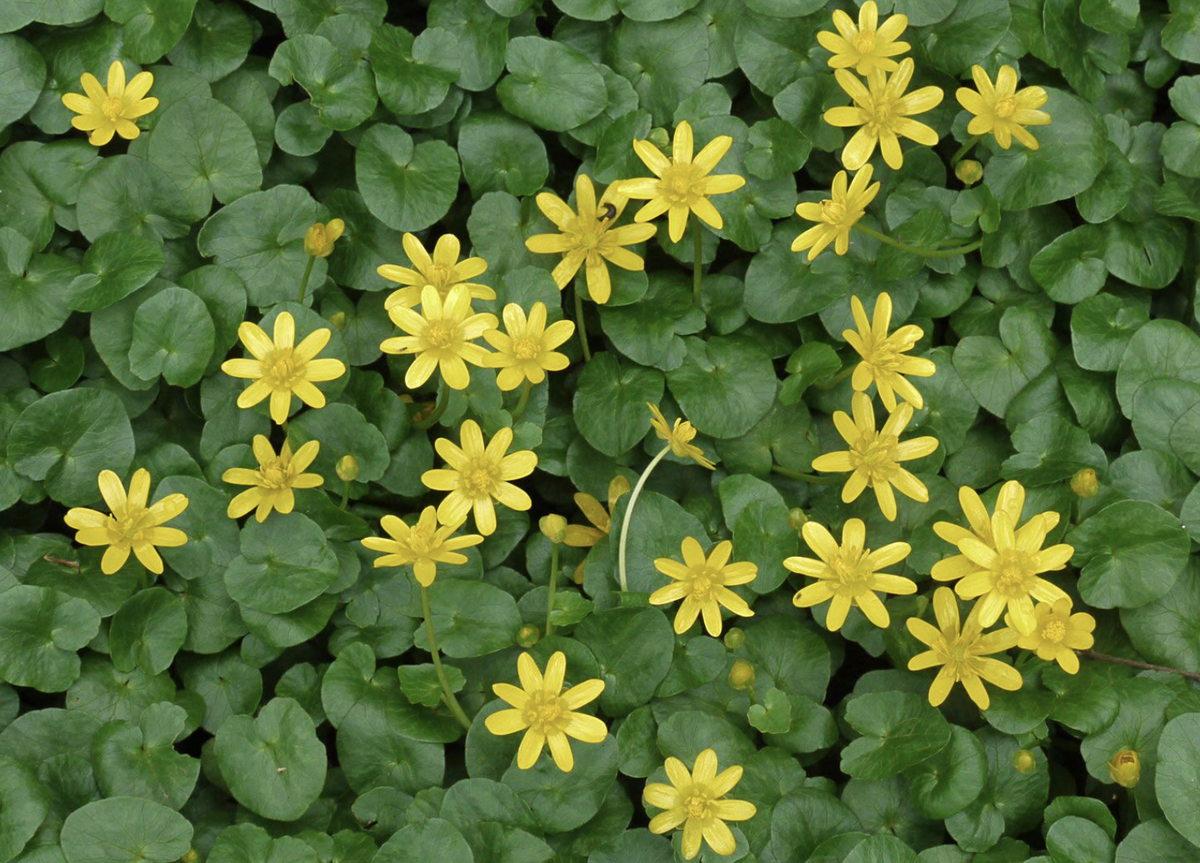
The Department of Plant Industry has found colonies of fig buttercup along the tributaries of the Reedy River in Greenville and the Catawba River in Rock Hill.
“The flowers of this invasive species bear the sweet smiles of its buttercup cousins,” Clemson says on its website. “But fig buttercup is a bully that will do its best to crowd out all other plants in its chosen territory, establishing a monoculture that can damage or even destroy nature’s natural ability to prevent erosion and to provide food and shelter for wildlife, especially bees and other pollinators.”
The Department of Plant Industry prevents these plants being sold by nurseries.
“We, in some instances, assist with eradication projects related to them,” Long said.
He said compounding the problem is people see plants in the wild and dig them up to take home without knowing they are invasive.
He pointed to Cogongrass, which had an ornamental variety that could revert back to its invasive parentage and present the same problem as before.
The floating hearts and fig buttercup were both once sold in the nursery trade, he said.
“Although banned from commercial sale, it’s not uncommon for backyard gardeners to unknowingly trade and move the illegal plants due to their beauty,” he said.
Moving soil can also cause invasive plants to thrive.
“Both intentional and inadvertent soil movement has contributed to countless invasive species infestations,” he said.
Kudzu, by the way, is not on the list. Known as an “invasive thug” along with Chinese Privet and Tree of Heaven, and Japanese Stiltgrass, they were too widespread by the time their invasiveness was acknowledged.
Banning them just wouldn’t be effective.
“Since kudzu isn’t sold in the nursery trade, no effort has been made to list it to make it illegal to sell,” Long said in an email. “Therefore, our list only includes invasive plant pests that we view as ‘able to be regulated’ in some way”.
He said the public often perceives the list as a comprehensive guide, but it is not.
“There are hundreds, if not thousands, of plant pests in SC,” he said.
This story was originally published June 4, 2026 at 6:00 AM with the headline "Sometimes called bullies and thugs, these plants have been banned from SC. See which are worst."