Chemicals released in North Carolina threaten South Carolina rivers
A river that flows from North Carolina into South Carolina has been named one of the nation’s most endangered waterways because of pollution from forever chemicals, the harmful industrial compounds that have been found trickling from landfills, wastewater plants, industries and other sources.
The Lumber River has suffered from years of forever chemical pollution, but it needs more attention – and the American Rivers report released this week is raising awareness, river advocate Jeff Currie said. The report lists the Lumber as the fourth most endangered river out of 10 nationally.
Currie, the Lumber Riverkeeper, said South Carolina residents should pay attention to findings in the American Rivers report for multiple reasons.
While there are no major drinking water sources along the Lumber or Little Pee Dee rivers in South Carolina, many people are subsistence fishermen who pull certain species from the rivers for food. Forever chemicals can build up in fish and threaten people who regularly consume them, he said.
“It’s a problem because anytime you get contamination in our waterways, there is a food chain that could be affected,’’ Currie said, noting that fish eat contaminated bugs and the pollution builds up in fish over time.
“Whatever fish we eat, especially if they are higher up on the food chain like black crappie, bass and some of these other ones, might be accumulating all this in their tissue,’’ Currie said. “It’s just biology.’’
The report said a landfill in North Carolina is a major source of the pollution and forever chemicals are “wreaking havoc downstream in South Carolina.’’
Forever chemicals have been tied to an array of health effects in people exposed to them. Those include certain forms of cancer, thyroid problems, immune system deficiencies and high cholesterol.
American Rivers is a national organization that puts out the most endangered rivers list annually, not always because the rivers are the most polluted, but because they are among the most threatened. Multiple South Carolina rivers, including the Little Pee Dee, have made the list in the past.
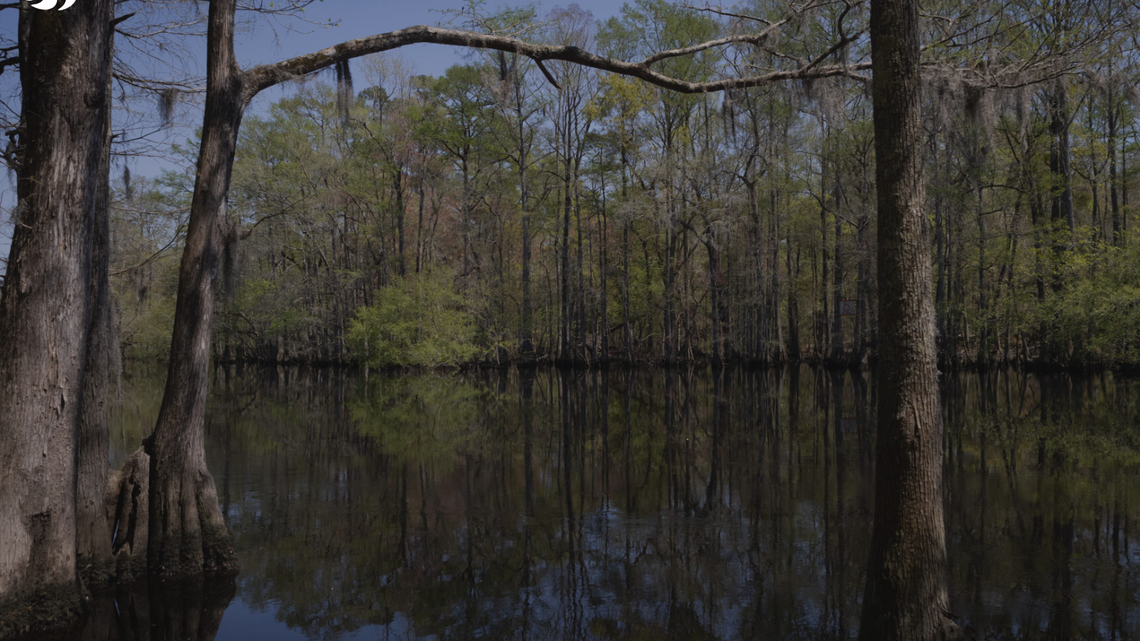
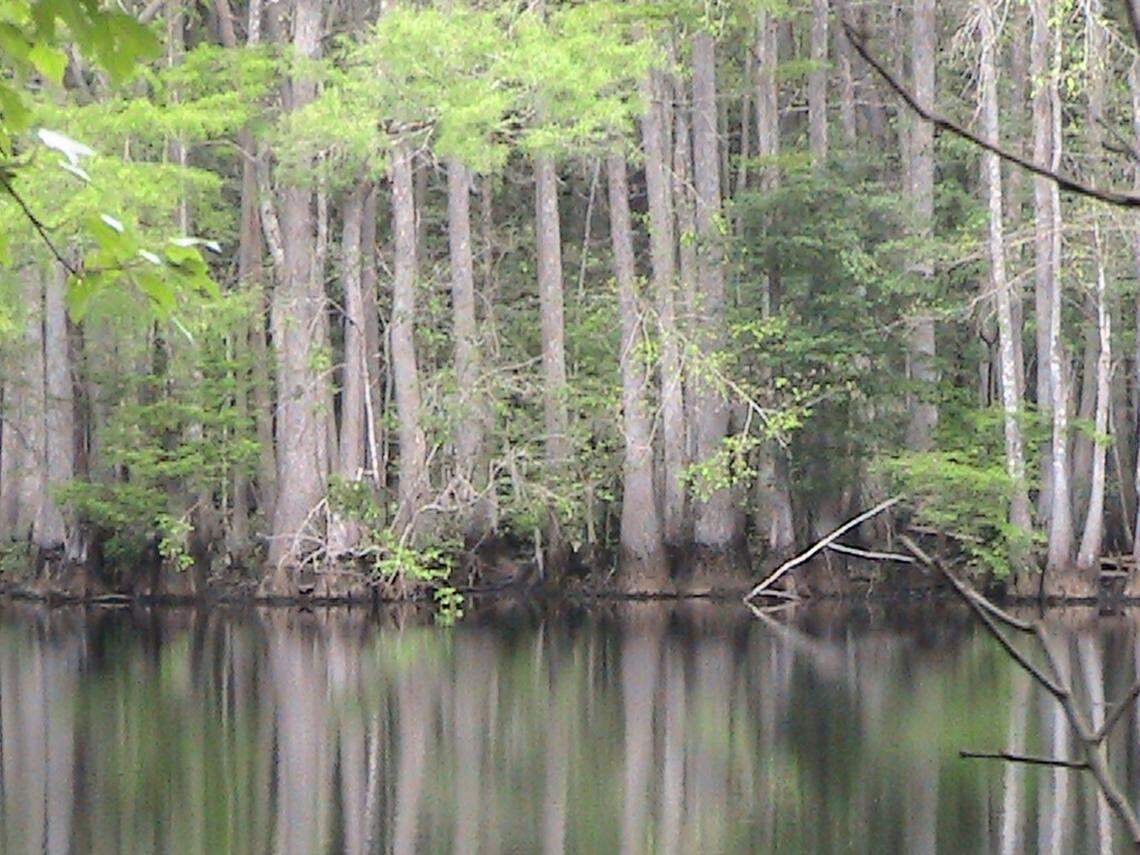
The Lumber River is a federally designated wild and scenic river that extends more than 130 miles from eastern North Carolina into South Carolina’s Pee Dee region. In South Carolina, the Lumber connects with the Little Pee Dee River not far from the state line. Both rivers are known for their glassy, dark waters and the relatively unspoiled land around them. The Little Pee Dee has been designated a state scenic river in South Carolina.
Officials with the S.C. Department of Environmental Services have advised the public to limit consumption of certain species of fish from rivers in the state because of potential PFAS contamination. The report said the South Carolina fish consumption advisories highlight the threat to the fish many people, including the region’s Native American population, rely on for meals.
Species under the advisory include largemouth bass, black crappie and several types of sunfish. Limited testing has shown that about a dozen species in South Carolina are tainted by forever chemicals, according to the South Carolina agency. Mercury, another toxic compound, also has built up in fish enough to spark health advisories.
Forever-chemical pollution affecting the Lumber River has historically come from a landfill in southeastern North Carolina that leaked into groundwater, as well as from a wastewater treatment plant in the Lumberton area and from old textile plants that dot the landscape, Currie said. Lumberton is about 30 miles from the South Carolina border.
“The Lumber River is a lifeline for communities across North and South Carolina and the first blackwater river ever designated as a national wild and scenic river,” said Donna Myers, southeast associate director of conservation for American Rivers. “Communities should not be exposed to toxic ‘forever chemicals’ because of outdated infrastructure. We need immediate investment in water treatment, wastewater systems and landfills to stop this contamination before it enters this impressive and unique waterway.”
Both Carolinas face challenges in stopping PFAS pollution and cleaning it up. State officials need stronger rules to protect the public, while investing more money into treatment processes and drinking water protection, environmentalists say. The Carolinas need to close ‘’regulatory gaps’’ to better protect the public from PFAS pollution, the American Rivers report said.
South Carolina, for instance, has relatively few controls over the use of sewer sludge as fertilizer, even though the sludge can contain forever chemicals. Treatment plants also do not filter out forever chemicals, as they do with other types of pollutants.
South Carolina has its own sources of PFAS beyond what’s coming in from North Carolina. Virtually every river checked by state regulators has shown forever chemical pollution. Sources in South Carolina include textile plants, like the now abandoned Galey and Lord facility in Darlington County, as well as fields where sludge has been applied as a fertilizer.
This story was originally published April 15, 2026 at 3:27 PM with the headline "Chemicals released in North Carolina threaten South Carolina rivers."