What SC parents need to know after US changes to child vaccine recommendations
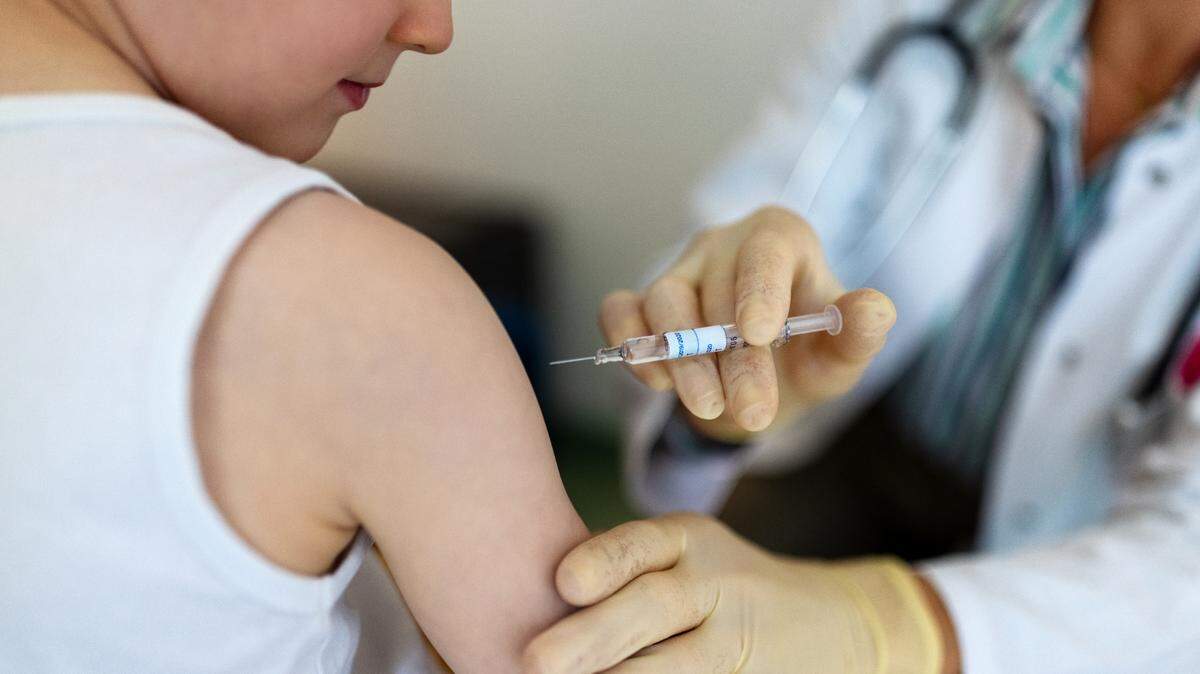
South Carolina parents may be weighing new questions and concerns about childhood vaccinations after recent changes announced on Jan. 5 by the U.S. Department of Health and Human Services.
While some vaccines are no longer recommended for all children, experts say the core of the childhood immunization schedule remains intact – and conversations with doctors are more important now than ever.
The changes took effect immediately and will alter how some vaccines are recommended by the Centers for Disease Control and Prevention, moving several vaccines into categories known as “shared clinical decision-making” or risk-based recommendations.
Here’s what Dr. Robin LaCroix, a pediatric infectious diseases physician with Prisma Health, recommends to parents and families with the new childhood vaccine guidelines.
What’s still recommended for all children?
Despite the changes, the CDC continues to recommend that all children be vaccinated against 11 diseases with a long-standing international scientific consensus. These include:
- Diphtheria
- Tetanus
- Pertussis (whooping cough)
- Haemophilus influenzae type b (Hib)
- Pneumococcal conjugate
- Polio
- Measles
- Mumps
- Rubella
- Human papillomavirus (HPV)
- Varicella (chickenpox)
“These are the foundational vaccines,” LaCroix said during a press briefing on Jan. 6. “They took devastating childhood diseases — like measles, severe pneumonia, meningitis and whooping cough — to very low levels in this country.”
LaCroix, who has worked in pediatric infectious disease for more than 30 years, said these vaccines have consistently proven safe, are well-studied and aid in protecting a child’s health.
Child vaccines that have changed
Under the new guidance, several vaccines are no longer broadly recommended for all children, but instead are advised for specific high-risk groups or through shared decision-making between families and their health care providers.
Those include:
- Influenza (flu)
- Rotavirus
- Hepatitis A
- Hepatitis B, including the birth dose
- Respiratory Syncytial Virus (RSV)
- Meningococcal disease (ACWY and B)
- COVID-19
Previously, many of these vaccines were routinely recommended for most children. Now, federal officials advise parents to discuss individual risks, exposures and health conditions with their child’s doctor before deciding.
“These kinds of conversations have always been happening,” LaCroix said. “Doctors have always talked with parents about why a vaccine is given, what the benefits are and what side effects to expect. What’s now changed is how those discussions are organized.”
Are health experts concerned?
LaCroix said that vaccine hesitancy has already contributed to the return of diseases in South Carolina that were once rare.
“We are seeing measles outbreaks. We are seeing whooping cough. We are seeing more pneumococcal disease and meningitis,” she said. “These are diseases that were previously at very low levels because of widespread vaccine use.”
In the Upstate this year, a child died from meningococcal disease — a reminder, she said, that vaccine-preventable illnesses can still be deadly or permanently disabling.
“Even when children survive, meningitis can leave them with lifelong hearing loss or intellectual disabilities,” she said. “Measles can cause encephalitis. Influenza still kills children every year in this country.”
Both measles and the flu have been on the rise in the Palmetto State this year.
What experts recommend parents & families do
LaCroix says that parents should not view the changes as a reason to delay care, but as an opportunity for informed discussion.
“The most important thing parents can do is talk openly with their child’s health care provider by asking questions and sharing fears,” she said.
When considering cost, HHS says that all diseases covered by the previous immunization schedule will still be available through Affordable Care Act insurance plans, federal insurance programs, Medicaid, the Children’s Health Insurance Program and the Vaccines for Children program.
At its core, LaCroix says vaccination is about prevention – much like using car seats or seat belts.
“We’ve been so successful with vaccines that many parents no longer remember how devastating these diseases can be,” she said. “One child who dies from a vaccine-preventable illness is one too many.”
She added that while medicine has advanced, many childhood infections still have no cure or are constantly evolving, like the flu.
“Prevention is always better,” she said.
To view all recommended, risk-based or shared decision-making vaccine schedules outlined by the CDC, click here.