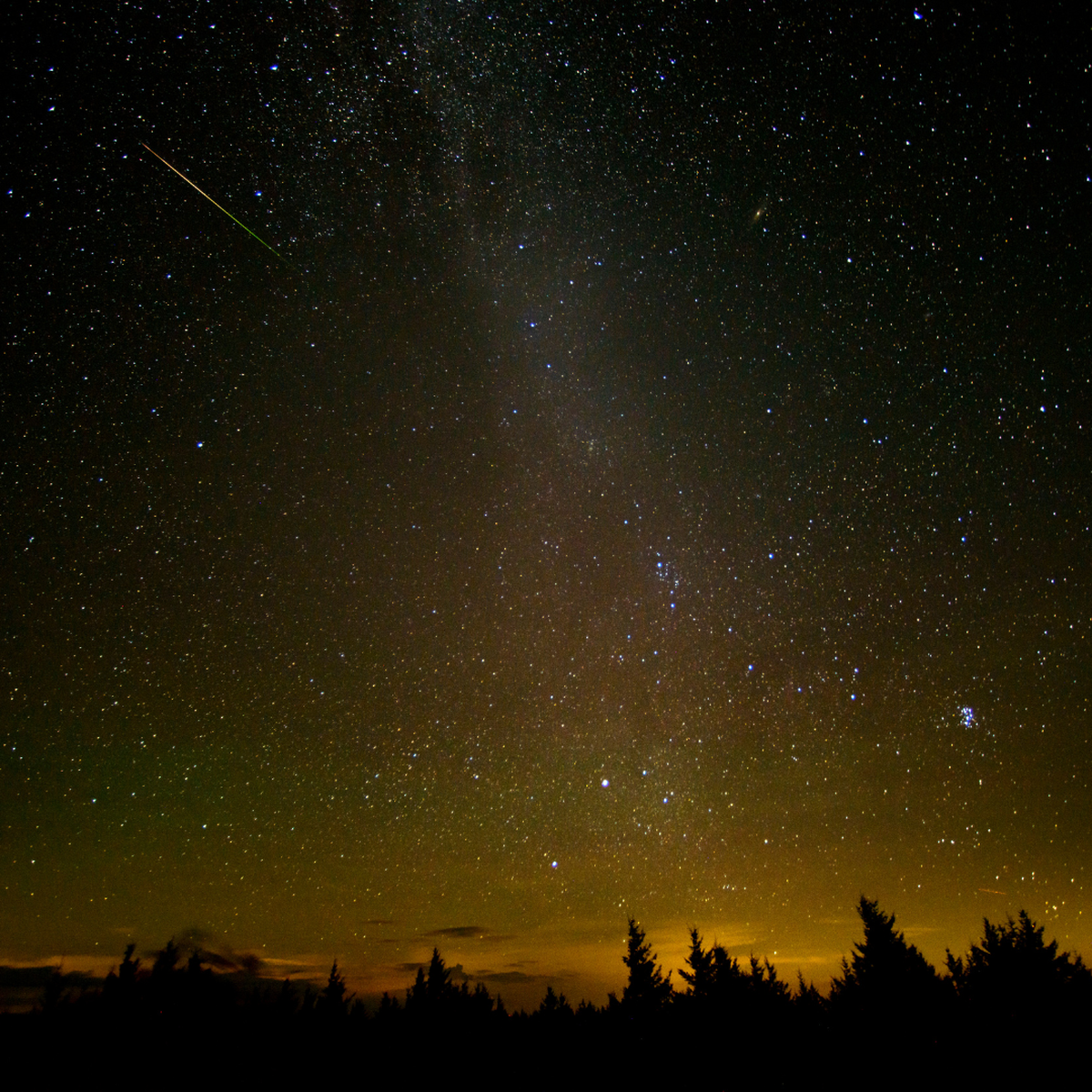
SC skies set for a dazzling meteor shower soon. Here’s when and where to watch
South Carolina skywatchers are in for a spectacular show this weekend.
Each December, the night sky puts on one of its brightest and most reliable shows: the Geminids meteor shower.
Known for producing colorful, fast streaks of light, the Geminids are widely considered the best annual meteor shower and this year, South Carolinians will catch them under nearly ideal conditions.
What are the Geminids?
The Geminids are unique among meteor showers.
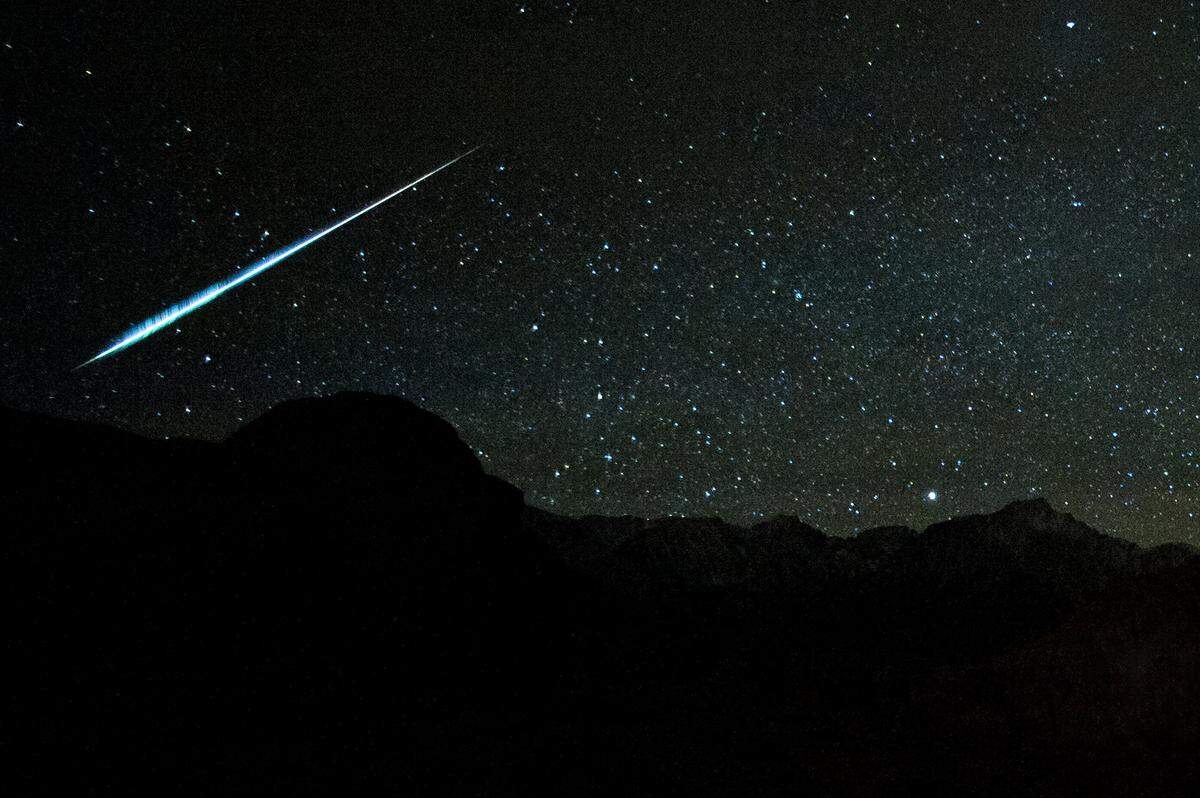
While most originate from comets, the Geminids come from an odd, rocky object called 3200 Phaethon — an asteroid that behaves a little like a comet. As Earth passes through the debris trail left by Phaethon each December, dust and rock particles burn up in our atmosphere, creating bright, often yellow meteors.
The Geminids were first recorded in the mid-1800s, though they were far less impressive then, with just 10 to 20 meteors per hour. Over time, the stream has thickened and today the Geminids produce up to 120 meteors per hour under perfectly dark skies.
When can SC see them?
According to the National Aeronautics and Space Administration, this year’s Geminids are active Dec. 1–21. Peak activity is expected on the nights of Dec. 13 and 14, meaning that it may be possible for folks to see 120 meteors per hour under the right conditions these nights.
This year is especially favorable: the moon will be only 30% full, providing darker skies and better visibility, the American Meteor Society reports.
The meteors begin appearing as early as 9 or 10 p.m., making this one of the most family-friendly showers of the year. Peak visibility continues through the predawn hours.
How to watch
Here are some tips from NASA to have a better viewing experience:
- Find a dark location away from city and street lights.
- Give your eyes 30 minutes to adjust to the darkness.
- Lie back on a blanket or lawn chair with your feet facing south and look straight up.
- Don’t stare directly at the moon — its brightness reduces sensitivity.
- Meteors will appear to radiate from the constellation Gemini, which rises in the east, but they can streak across any part of the sky.
Make sure to dress warmly, as December nights in the Palmetto State can be a bit chilly.
Locations in South Carolina to watch
Whether you prefer a quiet beach or a mountain overlook, South Carolina offers excellent locations for meteor viewing.
Here are just a few to consider:
Hunting Island State Park – Beaufort County
A wide-open sky over the ocean and minimal light make this one of the best viewing spots in the state. The lighthouse is one of the only structures on the horizon.
Hilton Head / Burkes Beach – Beaufort County
Burkes Beach offers unobstructed views and darker skies on Hilton Head’s quieter northern side. Nearby Historic Mitchelville Freedom Park is another good option.
Huntington Beach State Park – Georgetown County
Known for its open coastline and natural darkness. The park closes at 10 p.m., but in winter that still allows for several hours of prime viewing.
Congaree National Park – Richland County
A designated dark-sky location. With minimal light pollution, it’s one of the clearest places in the state to view the night sky.
Table Rock State Park – Pickens County
Just 40 minutes from Greenville, Table Rock’s scenic overlooks and open spaces make it a favorite for meteor watchers.
To find ideal spots for stargazing in your area, light pollution maps can help locate clear, dark-sky areas nearest you.
Weather forecast for Dec. 12–14
The good news for this year’s Geminid viewers: skies across South Carolina look clear and favorable for stargazing.
Clear or mostly clear conditions are expected statewide from Dec. 12–14, according to the National Weather Service.
Along the coast — from Hilton Head to Myrtle Beach — days will be sunny, with highs in the upper 50s to low 60s and nighttime lows ranging from the low 40s to mid-30s.
In the Midlands, Columbia will see similar sunshine with slightly cooler nights dipping into the low to mid-30s.
The Upstate will be the chilliest but still clear, with Greenville and Rock Hill experiencing daytime highs in the upper 40s to low 50s and overnight lows falling into the mid-20s to low-30s.
For the latest forecast and updates for your area this weekend, visit the NWS 7-day forecast webpage.