Is it OK to break the speed limit in SC to keep up with traffic? What the law says
While traveling on a highway in South Carolina, you may have noticed drivers going a few miles faster than the speed limit.
But what if a good portion of the traffic is moving faster than you are? Can you then legally break the speed limit — driving over what’s posted on the road? Is that safer?
Major corridors such as I-95, I-26 and I-85 span the Palmetto State, carrying traffic year-round, with volumes increasing even more as the holiday travel season begins.
Here’s what state driving laws and highway patrol say about breaking the speed limit and what drivers should keep in mind as the holiday travel season ramps up.
SC speed limits & fines
Section 56-5-1520 of South Carolina law prohibits speeding.
It states that no person can “drive a vehicle on a highway at a speed greater than is reasonable and prudent under the conditions” and that drivers must pay attention to the “actual and potential hazards” that exist on the road. The law also stresses that a driver’s speed must be controlled to avoid colliding with a person or any other vehicle.
Per this law, the maximum lawful speeds allowed in ideal conditions are:
- 70 mph — Interstates & freeways where posted
- 60 mph — Multi-lane divided, primary highways where posted
- 55 mph — In other locations
- 40 mph — On unpaved roads
- 30 mph — In urban districts
But knowing the maximum speeds is only part of the equation — the law also outlines specific penalties for drivers who choose to exceed them:
- Up to 10 mph over: Fines of $15–$25
- 10–14 mph over: Fines of $25–$50
- 15–24 mph over: Fines $50–$75
- 25+ mph over: $75–$200 or up to 30 days imprisonment
Too fast for conditions
Driving safely means adjusting your speed for roadway and traffic conditions, allowing adequate following distance and obeying posted limits, according to the South Carolina Driver’s Manual published by the South Carolina Department of Motor Vehicles.
Another piece of Section 56-5-1520 notes that “no person shall drive at a greater speed than is reasonable and prudent under existing conditions,” regardless of the posted speed limit.
This means that when hazards like weather, heavy traffic and construction zones are present when behind the wheel, drivers are expected to adjust their driving.
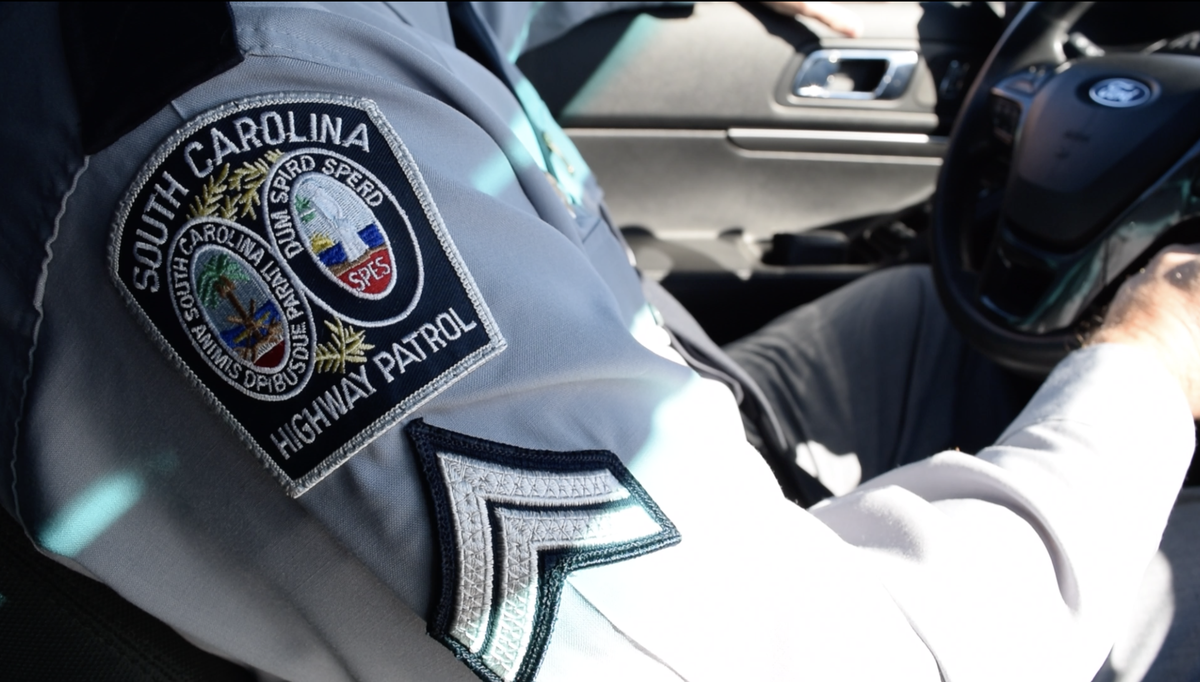
If not, you can be cited for driving too fast for conditions, South Carolina Highway Patrol spokesperson Cpl. Nick Pye states.
Move Over Law
Another law closely tied to the dangers of speeding — especially around stopped or slowed traffic — is South Carolina’s Move Over Law. When drivers come upon emergency, utility or tow vehicles with flashing lights, the law requires them to take specific safety steps:
- Change lanes away from the stopped vehicle if safe
- If a lane change is unsafe, drivers must significantly reduce speed
- Proceed with caution and avoid interfering with roadside workers
Violations of the Move Over Law are considered misdemeanors, with fines ranging from $300 to $500.
Speed also becomes an issue in work zones.
Under Section 56-5-1535, drivers can be charged if they travel through a work zone in a lane not designated for traffic or ignore the traffic control devices set up to protect workers.
Penalties escalate based on the severity of the violation:
- No injury to worker: Fines of $500–$1,000
- Physical injury to worker: Fines of $1,000–$2,000
- Great bodily injury to worker: Fines of $2,000–$5,000
Violations also add points to a driver’s record — two points for a standard violation, or four if a worker is injured.
What SCHP says
Driving is often considered one of the riskiest activities a person can do each day.
Speeding doesn’t save as much time as some may think, even if you feel like you’re traveling faster. In fact, it actually can increase consequences, especially if a crash occurs.
If a driver is traveling 10, 15, or even 20 miles over the posted speed limit on a highway, it can dramatically increase the severity of injuries in the event of a wreck, Cpl. Pye explained.
In addition, the National Highway Traffic Safety Administration notes that beyond breaking the law, speeding compounds nearly every danger on the road:
- It makes it harder to steer around sudden hazards or curves
- Lengthens the distance you need to stop
- Makes your speed harder for other drivers to judge
Driver attitudes also play a significant role in creating hazardous road conditions, especially when speed is involved. Aggressive driving, frequent lane changes, tailgating, and distracted driving all increase the risk of accidents.
As one of the busiest weeks for holiday travel inches closer, SCHP says its priority is keeping drivers safe.
“We don’t want to knock on someone’s door and tell them that they’ve lost a loved one,” Cpl. Pye said. “We want everybody to make it to the dinner table.”
This story was originally published November 21, 2025 at 6:00 AM.