Can I get a ticket in SC for not dimming my brights while driving? What the law says
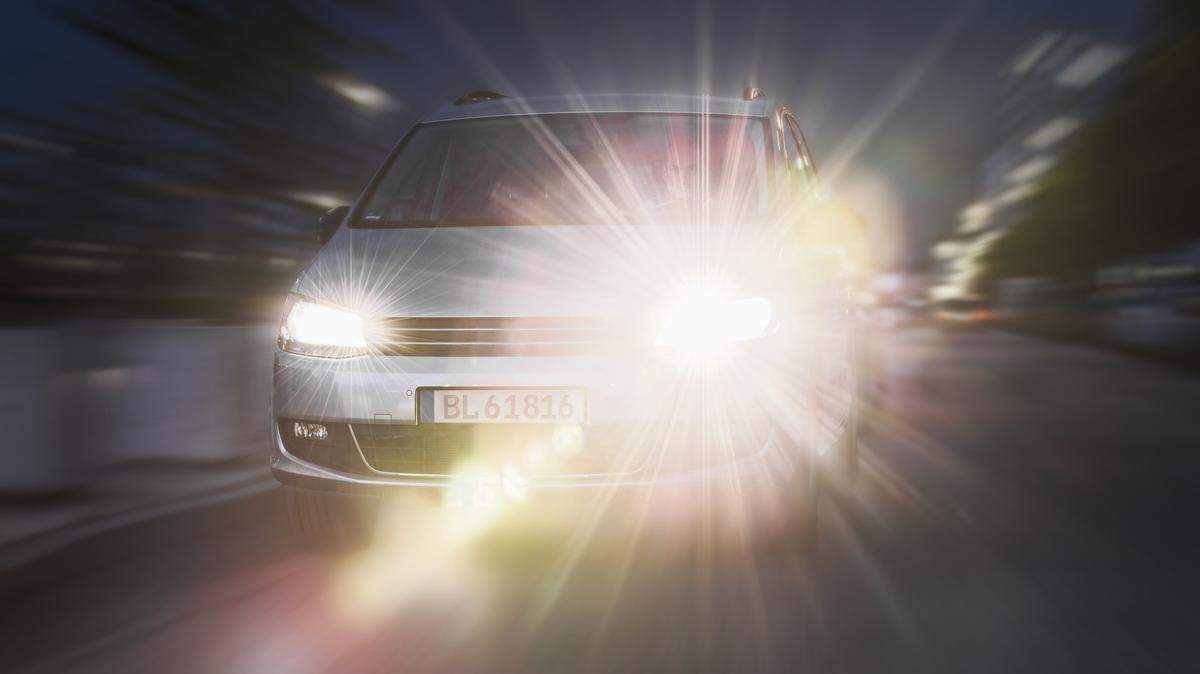
As sunny days start to grow shorter and residents prepare for daylight saving time to come to an end on Nov. 2, South Carolina drivers are turning on their headlights more often — especially the powerful high beams needed on dark, rural roads before sunrise and after sunset.
While high beams can help drivers see better in darker road conditions, using them at the wrong time can be both dangerous and illegal.
Here’s what South Carolina law says about using high beams and when having them on could warrant you a ticket.
SC high beam law
High-intensity headlights, or “brights,” are useful for spotting obstacles on dark roads.
However, they can temporarily blind or distract other drivers — much like a camera flash in your eyes. That’s why South Carolina law requires drivers to dim their high beams in certain situations.
According to Section 56-5-4780 of state traffic laws, you must dim your high beams when:
- You’re within 500 feet of an oncoming vehicle.
- You’re within 200 feet of a vehicle in front of you (unless you’re passing).
Since failing to dim your high beams in these scenarios is a traffic violation, drivers can face a citation, resulting in fines or points against your driving license.
This law is intended to help with driver safety, ensuring that the glare of these lights does not project into the eyes of oncoming drivers, which can be dangerous and disrupt their line of vision while behind the wheel
When do headlights need to be on in SC?
South Carolina also has set laws for when your headlights must be on, even if you don’t need high beams.
Under Section 56-5-4450, headlights are required:
- From 30 minutes after sunset to 30 minutes before sunrise.
- Anytime windshield wipers are in use because of rain, sleet or snow (excluding light mist).
- When poor weather or environmental conditions reduce visibility to less than 500 feet.
Violating this traffic law could result in a misdemeanor and a fine of up to $25.