
Here’s where and when you can spot dolphins swimming in SC waters this fall
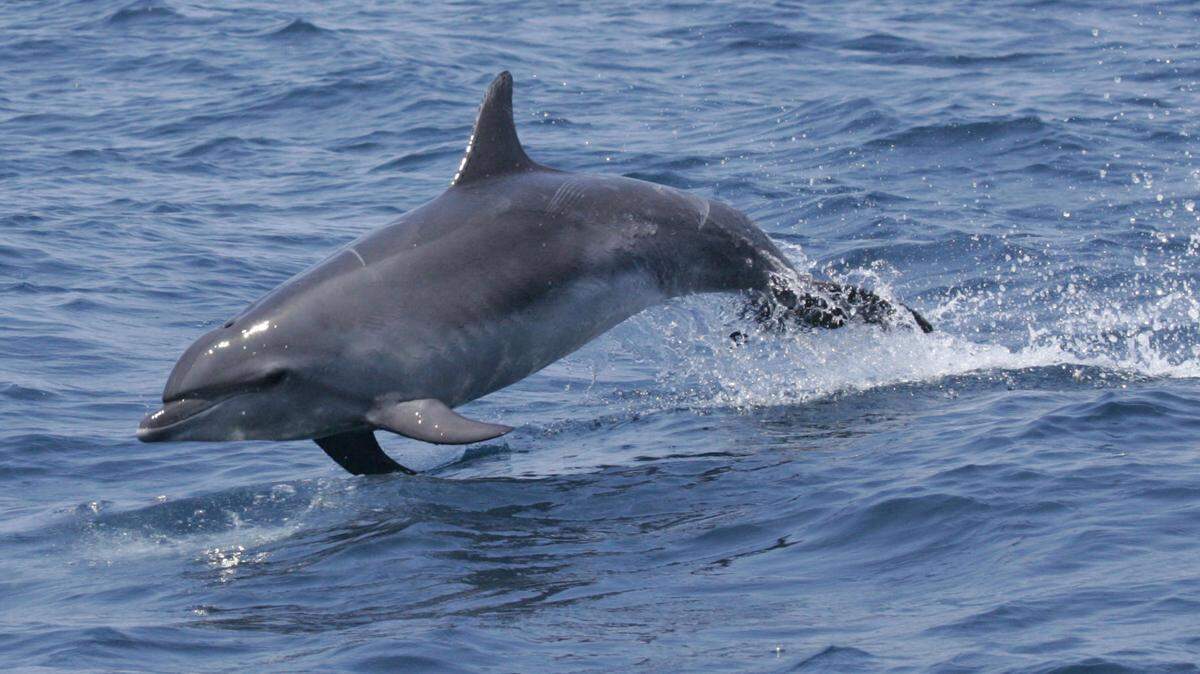
Flipping through coastal waters, dolphins are one of the most stunning sights to see in the Palmetto State. Dolphins have been spotted swimming, circling prey, slapping the water to stun fish and even surfing the tide in South Carolina waters.
Known for their intelligence and playful nature, dolphins are found across the East Coast. Southern Living recently highlighted Folly Beach as a great place to watch wild dolphins, but the marine mammals can be found in open ocean waters, estuaries and rivers all along the South Carolina coastline.
What kinds of dolphins are in SC waters?
While anglers might spot Atlantic spotted dolphins and striped dolphins far offshore, bottlenose dolphins are most commonly seen in South Carolina.
Within the bottlenose category, Lowcountry Marine Mammal Network executive director Lauren Rust says the Palmetto State sees two varieties: Tamanend’s bottlenose dolphins and Atlantic bottlenose dolphins.
Tamanend’s bottlenose dolphins are residents year-round found in estuaries and rivers, while their Atlantic bottlenose cousins are more coastal and either stay for a season or migrate through during a longer Atlantic journey.
When can you see dolphins in South Carolina?
Because many dolphins spend their entire lives in the Palmetto State, dolphins can be seen in South Carolina all year. But there are some seasons when they’re more common.
According to Rust, South Carolina’s dolphin population peaks in the summer months, when migrating and seasonal Atlantic bottlenose dolphins add to the existing population of Tamanend’s bottlenose dolphins.
“Both seasonal and migratory [dolphins] are typically going, kind of like a snowbird, they’re going south in the winter, seeking out warmer water,” Rust said. “Typically, with warmer water, there’s more food, and then in the summer, they’ll head back north.”
When the weather warms, pods return to South Carolina for the summer season from places farther to the south, like Georgia.
Other pods follow longer migration routes, like those swimming from New York in the summer and Florida in the winter. Fall and spring are great times to spy these migratory pods as they pass through South Carolina’s coast in the shoulder seasons.
Where do dolphins swim in South Carolina?
In a state abundant with dolphins, there’s no one best place to look for the aquatic mammals.
The different species of bottlenose dolphins choose different habitats in South Carolina waters. Both Atlantic and Tamanend’s bottlenose dolphins are found in estuaries like harbors and sounds, but those are generally the only areas they mix.
While the year-round Tamanend’s bottlenose dolphins can also be found in South Carolina rivers, Atlantic bottlenose dolphins stopping in for the season or migrating through are seen farther off the coast in the ocean.
If you’re hoping to see a migratory dolphin passing through this fall, keep an eye on the horizon at the beach for pods jumping through waves off the coast on their way south. To get a view farther from shore, find a local fishing pier or check out one of South Carolina’s many dolphin sighting boat tours.
Inland, Rust says bottlenose dolphins use the Intracoastal Waterway like a “big highway,” while estuaries host Tamanend’s all year and Atlantic bottlenose dolphins seasonally. Inlets can also be good spots for sightings because of the abundance of dolphin prey.
“Inlets are really good because there’s usually this influx of food that’s kind of coming from the ocean, in or out of the river,” Rust said.
Dolphin safety and etiquette
Because they’re federally protected, it’s illegal to feed or harass dolphins. The National Oceanic and Atmospheric Administration (NOAA) Fisheries recommends giving dolphins a distance of at least 150 feet for your safety and theirs.
Interactions with humans can disrupt their social groups, discourage dolphins’ natural wariness — which makes them more susceptible to shark attacks, according to NOAA.
And while you may want to share a snack with a dolphin, human food can make them sick. Feeding also deters dolphins’ fear of humans, which can lead to boat propeller injuries and entanglement in fishing hooks and lines. Plus, even though dolphins don’t hunt humans, they can bite.
“Keeping your distance is really your best bet, so they can act naturally and you don’t disturb them,” Rust said.
This story was originally published October 1, 2025 at 6:00 AM with the headline "Here’s where and when you can spot dolphins swimming in SC waters this fall."