
Fatal SC shooting sparks scrutiny of unregulated magic mushroom market
Most people who knew him would have described Zachary Elias as kind and gentle. He went to church. In high school, he walked developmentally disabled students to class and volunteered with the Special Olympics.
But on the night of Dec. 4, 2024, he walked into the Budiman’s Smokeshop in Rock Hill with no shirt and no shoes, carrying a black semi-automatic rifle.
“Where’s the mushroom man?” he yelled, before opening fire. He shot three people, killing two people and wounding one. A fourth person, a store clerk, escaped.
Elias’ defense lawyers have said that the shocking killings were the result of a “drug-induced psychosis” caused by a drug-laced chocolate bar he’d bought at the smoke shop earlier that day.
When the South Carolina Law Enforcement Division tested the bar and Elias’ blood, they found evidence of psilocin, the active chemical in magic mushrooms, a group of fungi that can cause hallucinations. Psilocin is illegal in South Carolina, and Elias’ lawyers claim he would never have eaten the chocolate if he knew what he was taking was illegal.
The killings have renewed scrutiny on a fast growing gray-market of products claiming to contain magic mushrooms. Once a staple of tie-dye wearing hippies and Grateful Dead concerts, magic mushrooms are projected to grow to a $3.3 billion industry by 2031, according to Forbes.
Customers increasingly seek them not only for a recreational high, but also for therapeutic properties including treatments for anxiety, depression, PTSD and even headaches.
Walk into many smoke shops in South Carolina and you can buy chocolates, gummies and hard candies promising everything from a relaxing buzz to a mind-bending psychedelic trip. Some states have opened the door to decriminalizing magic mushrooms or legalizing them for medical use. But in South Carolina, the active chemicals in magic mushrooms – psilocin and psilocybin – remain illegal in many states. So what are consumers getting?
Testing has found that so-called magic mushroom products contain everything from illegal hallucinogens to legal, but potentially even more dangerous, alternatives. These can range from other naturally occurring drugs with hallucinogenic effects to synthetic versions of psilocin with small adjustments to the chemical structure allowing the drug to be technically legal. It’s a strategy that has been employed for years by some businesses in the recreational marijuana space, who have been making modified versions of the plant’s active compounds to stay ahead of the law.
But with no requirements for labelling, companies tend to refer to the active ingredients in vague terms, with phrases like “mushroom blends.” Packaging contains no information about what drugs they might contain or in what dose.
Few mushroom-related incidents have been as violent as the shooting in Rock Hill. But as the market for mushroom products grows, so do the risks. In 2024 alone, the Centers for Disease Control and Prevention linked one brand of “magic mushroom” products to as many as three other deaths and more than 70 hospitalizations around the country.
While psilocin and psilocybin are already illegal in South Carolina, lawmakers told The State that there needed to be more regulation around the products that were being sold containing legal drugs.
“Unfortunately, that’s where we are with people trying to monetize all kinds of different products that may or may not be dangerous,” said state Sen. Russell Ott, D-Calhoun. “It seems like that is now the new model, which is to put things out there, claim that they’re safe, claim that they are legal, and wait to see where the ball drops.”
Drug-induced psychosis behind deadly shooting
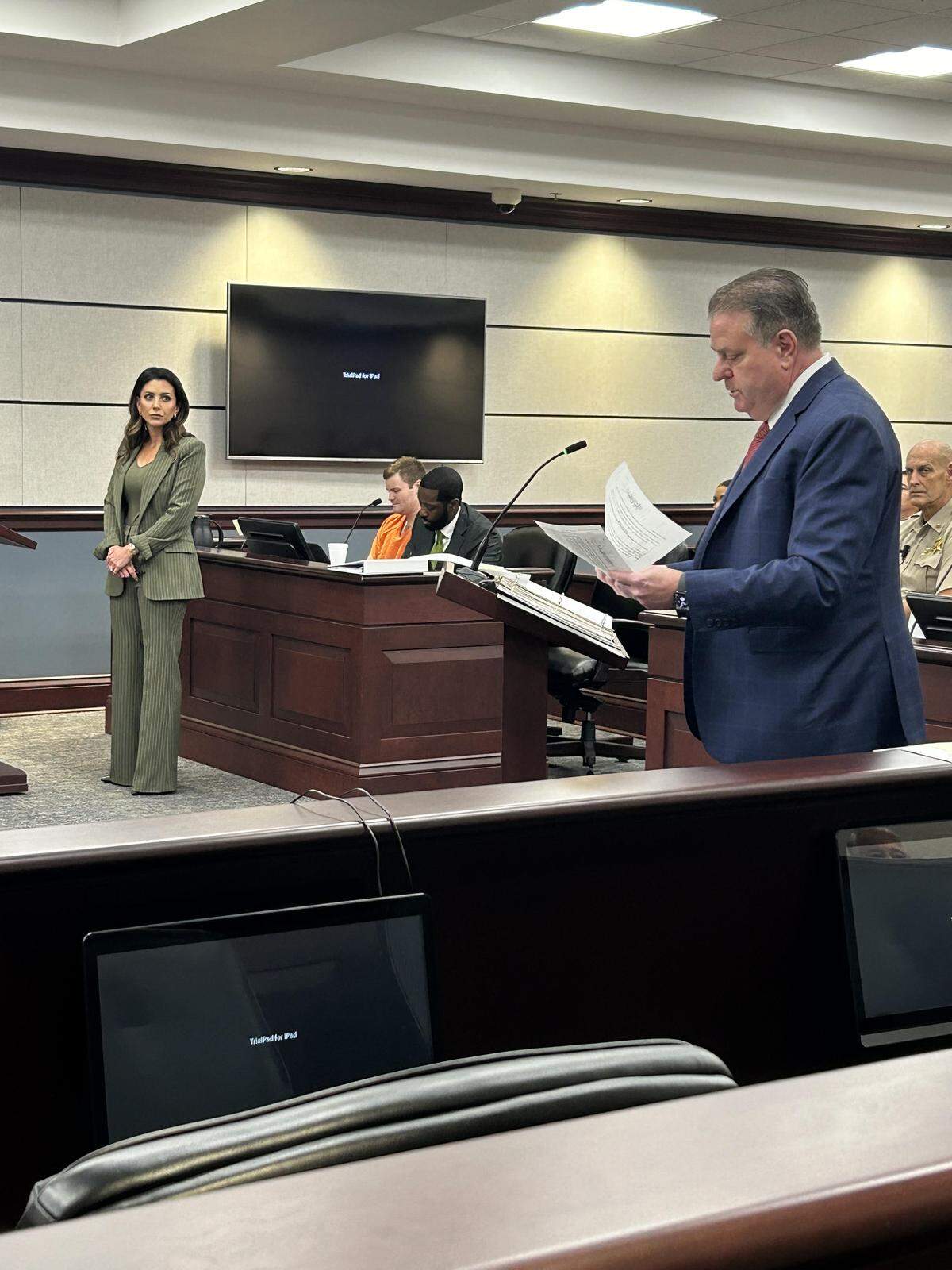
Elias and his fiancée were making dinner Dec. 4 when he told her that “something was happening,” according to a report shown in court.
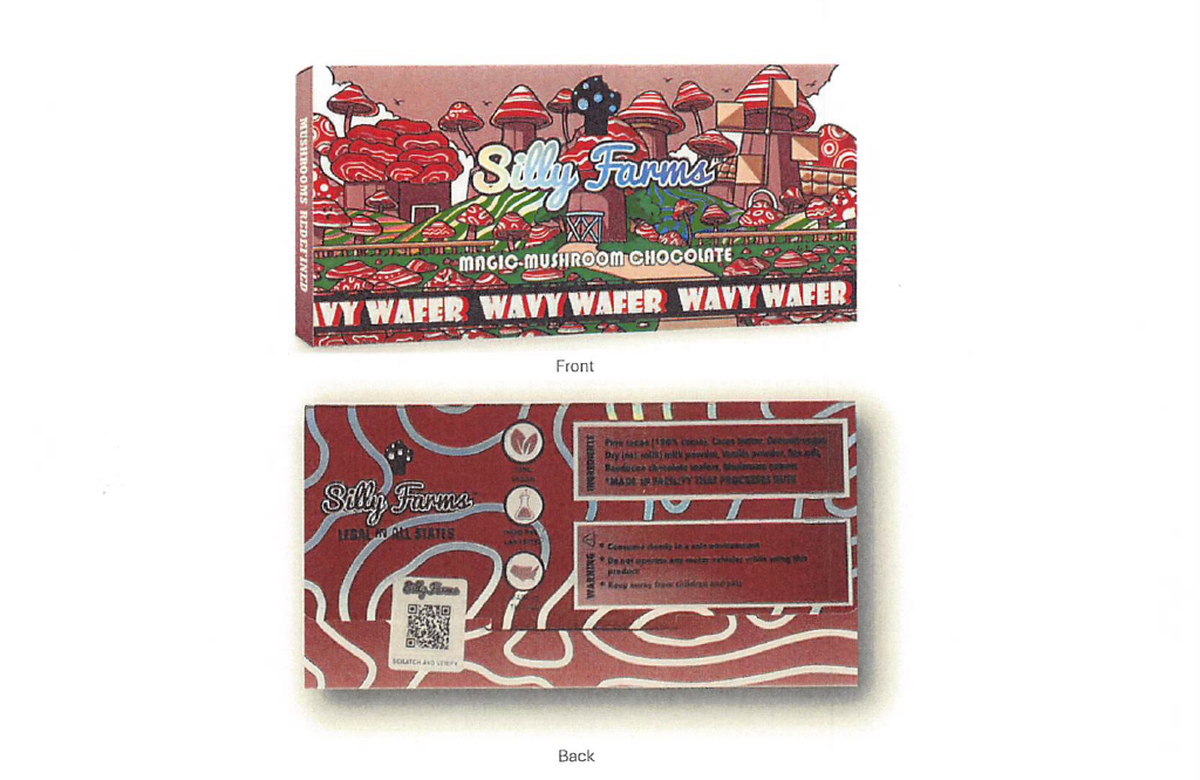
Looking to get in shape for an upcoming trip, Elias was planning to skip dinner but earlier that evening he had eaten one and a half Wavy Wafer magic mushroom chocolate bars, according to the report. The 29-year-old software salesman had bought the chocolate bars, which court documents say were made by a company called Silly Farms, at Budiman’s Smokeshop that day. Prosecutors say he also bought several edibles and vapes containing THC and CBD, the active ingredients in marijuana.
Elias had no history of mental illness, but it was only his second experience with magic mushroom products. Earlier that week, Elias had tried a small portion of a Wavy Wafer chocolate bar he bought at Budiman’s when they were out of his preferred brand of CBD gummies.
“People tend to equate legality with safety,” said Dr. Avery Michienzi, a professor of emergency medicine at the University of Virginia and assistant medical director at the Blue Ridge Poison Center.
As magic mushroom products become increasingly available in approachable, professional packaging, Mechienzi warned consumers might not understand that they are taking a powerful drug with the potential for causing physical or psychological harm.
“They’re not buying it from a drug dealer. If they walk into a convenience store and it’s there, they think it’s safe but it’s not,” Michienzi said.
The chocolate bar and Elias’ blood would later test positive for psilocin. But on their website, Silly Farms provides links to results of lab testing on their products stating they are negative for the presence of psilocin or psilocybin. Several websites describe Silly Farms chocolates as containing the mushroom Amanita muscaria.
Amanita mushrooms contain the powerful delirients muscimol and ibotenic acid. While both types of drugs can produce hallucinations, delirients are considered to be less lucid and are more likely to produce agitation and confusion, which make it harder to distinguish those hallucinations from reality.
Silly Farms did not respond to an interview request from The State.
The SLED test on Elias’ blood and the chocolate bar did not look for the presence of muscimol or ibotenic acid, which experts say are not typically part of a drug screen.
After eating the chocolate bar, Elias began to experience mental changes, memory lapses and “became frightened,” according to the report. Elias left the house almost naked carrying a gun and drove back to Budiman’s.
Arriving at the store, CCTV footage played in court showed Elias opened fire almost as soon as he walked through the door. Employee Celcei Johnson, 27, and customer Emad Thabet Saadalla, 49 were killed. Saadalla’s wife was injured, while another clerk was able to escape.
“I’m Jesus Christ,” Elias yelled after the shooting. On video he appeared agitated and paced the store. “They wrote the book about me.”
“He trusted what this store was selling him. He ate what he reasonably thought was a legal product, and then he suffered a severe drug induced psychosis,” said one of his attorneys, Ally Benevento with Columbia’s Strom Law Firm. “It was that psychosis that took him back to that store, totally out of touch with reality.”
Unlabeled drugs in an unregulated market
Last November, the CDC released a warning after three deaths were potentially linked to one brand of edible products claiming to contain magic mushrooms.
In total, roughly 180 people were sickened after eating products made by Diamond Shruumz. Scientists at the CDC found that the company’s products contained five different psychoactive drugs, only one of which was disclosed.
It is a pattern that has been repeated across the industry, warn experts. In order to meet growing demand for these products and to skirt the law, companies selling magic mushroom edibles often use legal, synthetic substitutes for natural psilocybin and psilocin. But in a largely unregulated market, customers have no idea what is in the products they are taking or what the side effects might be.
In a study of 12 different magic mushroom products, Dr. Richard van Breemen, a pharmacologist at Oregon State University, found that not a single one accurately represented their ingredients.
One gummy specifically advertising no psilocin contained psilocin. Another claiming to contain a blend of legal mushrooms valued for their health benefits contained CBD and THC, the active chemicals in marijuana. Another contained compounds found in kava, a plant that is enjoyed as a muscle relaxant and for a sense of wellbeing but can cause liver damage at high doses. One gummy contained only caffeine, others had no active compounds at all.
The packaging on the chocolate Elias ate only referred to a “mushroom extract.” It provided no information about dosage but did warn that it should be consumed slowly and that users should not drive after eating the product. It also warns that it should be kept away from children and pets.
Young children are particularly at risk of accidentally consuming magic mushroom edibles, Michienzi warned. Packaged like candy, drug-laced chocolates and gummies would appear indistinguishable from their regular counterparts increasing the risk that they might be exposed to increasingly unknown and unpredictable drugs.
“The most concerning findings in our study was the presence of synthetic analogs for psilocin and psilocybin,” van Breemen told The State. In the body, psilocybin breaks down into psilocin, which is responsible for the majority of magic mushroom’s effects.
In order to get around regulation or increase production some manufacturers of magic mushroom products have begun using synthetic psilocin in their products. The effects of synthetic alternatives, which often have an altered chemical structure, were far more unpredictable than naturally occurring psilocin, van Breemen said.
There has been very little testing on these new synthetics and how they might interact with chemical receptors in the human brain or with other drugs.
“There’s a very strong possibility that some of the analogs are far more potent,” van Breemen said.
The frequent development of novel chemicals to stay ahead of regulation was one of the main challenges in passing laws to protect consumers, said state Sen. Tommy Pope, R-York.
“It’s almost like a product liability case,” Pope said, “they’re always coming up with a better mousetrap.”
This story was originally published September 24, 2025 at 10:58 AM with the headline "Fatal SC shooting sparks scrutiny of unregulated magic mushroom market."