Pilot program to let SC schools hire non-certified teachers begins this year. Here’s what to know
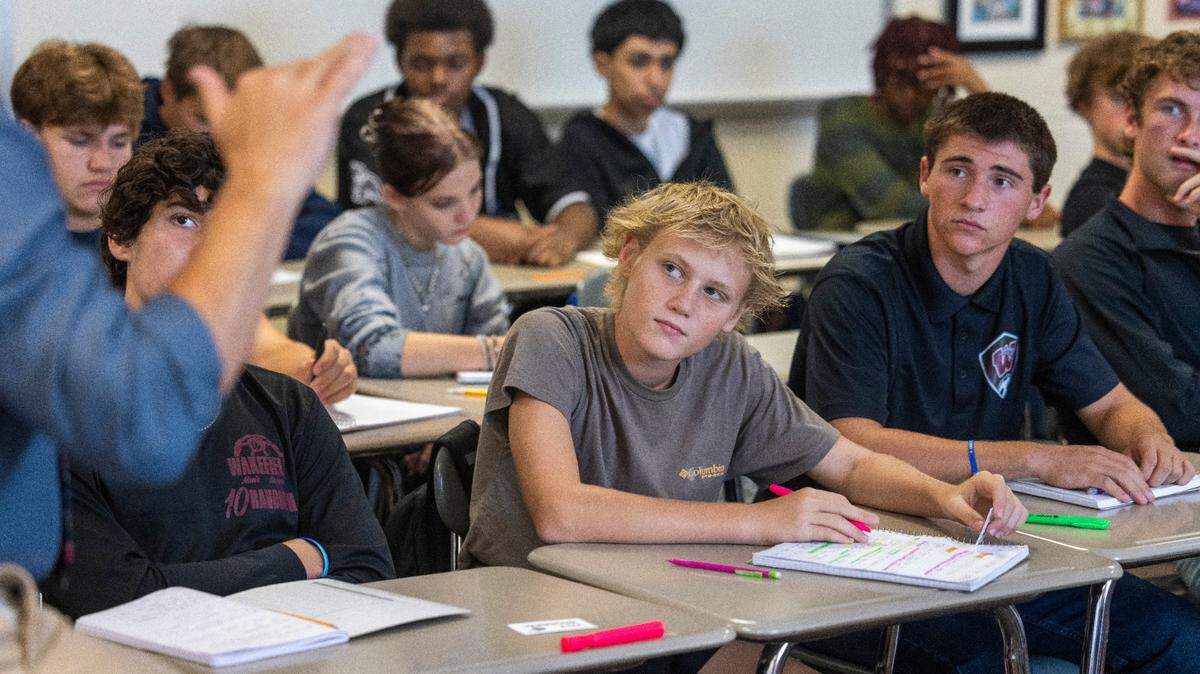
South Carolina is shifting its approach to support its education workforce, starting this academic year with the introduction of a non-certified teacher pilot program.
To tackle the state’s persistent teacher shortage, state lawmakers passed a new law establishing a five-year pilot program that will allow public schools to hire non-certified teachers to fill in the gaps, tallying up to 10% of their total teaching staff.
The initiative, spearheaded by Sen. Greg Hembree (R-Horry), chair of the Senate Education Committee, and Sen. Jeff Zell (R-Sumter), aims to reverse the ongoing teacher shortages by bringing experienced professionals into the classroom and maintaining educational standards.
Addressing a growing shortage
In a 2024 report by the Center for Educator Recruitment, Retention and Advancement, 71 out of 75 school districts across the state saw a total of 1,613 vacant teaching positions at the start of the 2023 school year.
These vacancies show a 9% increase in shortages from the 1,474 vacancies reported the previous year.
With only 71 of 75 districts reporting, CERRA states that these numbers do not give the full picture of the state’s teacher shortage, as issues of teacher retention and recruitment have been building for years, with rural and high-poverty areas often hit hardest.
CERRA is a teacher recruitment program funded by the South Carolina General Assembly.
How does this pilot program work?
The pilot program, set to begin this academic year, lets individual schools — with approval from the principal, district superintendent and Department of Education — hire non-certified teachers.
Participation in the program is not mandatory. It simply provides schools in South Carolina with the option to employ uncertified educators for up to 10% of their teaching staff, excluding positions in career and technical education.
Lawmakers will decide whether or not to keep this program in place after five years. If not, the pilot will automatically end in 2030.
The Department of Education is required to report back to the General Assembly each year, beginning in November 2026, to help determine how this program impacts South Carolina schools before the 2030 decision deadline.
Who is eligible to teach?
While this program opens the doors for more teaching staff, there are a few parameters that will help determine who can fill in the gaps.
The State Board of Education is currently drafting guidelines that will govern how schools can participate. These guidelines include:
Minimum qualifications: Non-certified hires must hold a bachelor’s or graduate degree relevant to the subject they will teach and have at least five years of relevant work experience.
Professional development: Hires must take part in initial and ongoing training and must undergo the standard teacher evaluation process.
Certification pathway: Within three years of being hired, non-certified teachers must enroll in a state-approved educator certification program, whether through a traditional or alternative route.
Criminal background checks: The law also establishes protocols for thorough criminal history checks.
For more information on this pilot program, you can review the bill here.
This story was originally published July 26, 2025 at 6:00 AM.