Palmetto bugs are on the loose in SC. Here’s how to keep them out of your home
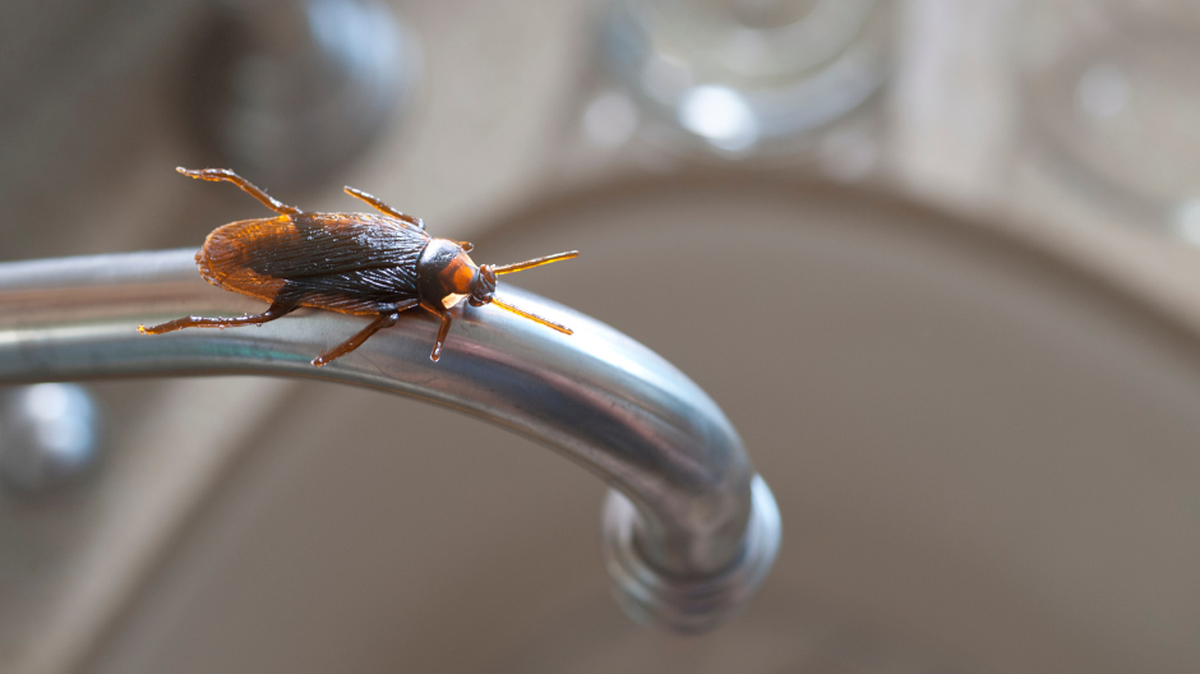
Summertime in South Carolina often brings long sunny days, vacation time, barbecues and, of course, insects of all kinds.
No matter what you call them — palmetto bug, cockroach, water bug, or just simply roaches — they’re unwelcome visitors in any home.
These crawling (and sometimes flying) critters can quickly go from an occasional nuisance to a full-blown infestation if not properly addressed.
Here’s what you should know about these bugs, how to tell if you have a problem and what you can do to treat and prevent infestations.
What is a palmetto bug?
The term palmetto bug is a more polite nickname often used in states like South Carolina, North Carolina and Florida to describe larger species of cockroaches.
According to Orkin, the two most common species labeled as palmetto bugs are:
American cockroach: Reddish-brown color with light markings near the head.
Smokybrown cockroach: Uniformly dark brown or black in color.
These bugs can grow to be fairly large compared to other cockroach species, often up to 2 or 3 inches long. All palmetto bugs have wings and can fly.
Where do palmetto bugs live?
Palmetto bugs are a kind of roach, meaning they prefer to live outdoors, but they will enter homes in search of food, water or warmth, where they’ll often lay eggs.
Palmetto bugs love outdoor areas that are humid, warm and damp, like bushes, mulch, logs, drains and storm pipes, according to Orkin.
Indoors, they often hide in:
Kitchens (under sinks and near food)
Bathrooms
Behind appliances (refrigerators, water heaters)
Garages and basements
Storage closets, laundry rooms and even drawers
Are palmetto bugs dangerous? Can they bite me?
While they’re not aggressive, palmetto bugs can carry harmful bacteria and pose health risks:
They crawl through unsanitary places like sewers and trash, picking up germs and spreading them on surfaces or food.
Germs and bacteria can spread viruses like Salmonella, staph infections, strep infections, cholera, diarrhea, dysentery, typhoid fever and sometimes polio virus.
Their feces, shed skins and saliva can trigger allergies or asthma attacks, particularly in children or those with respiratory conditions.
Palmetto bugs are typically shy creatures that quickly retreat when approached and will rarely bite. On the rare occasion that you are bitten, it will resemble large red bug bites. Palmetto bugs can also scratch human skin with their spiny legs. If you’re bitten or scratched, make sure to clean them properly to avoid infections.
Signs of a palmetto bug infestation
Palmetto bugs are mostly nocturnal and experts at hiding, so you may not see them often, but here are key signs to look out for in your home to determine if you might have a problem:
- Droppings: Small black specks (like pepper or coffee grounds) on counters or floors.
- Egg cases: Brown, capsule-shaped sack in hidden spots.
- Musty odor: A lingering, unpleasant smell in areas they inhabit.
- Chewed items: Damaged food packaging, fabric or paper.
- Daytime sightings: Seeing a live cockroach during the day often signals a larger infestation.
- Fecal smears: Dark smudges along walls, baseboards or cabinet edges.
Why your home might attract them & how they get in
Palmetto bugs can be found almost anywhere when they’re on the hunt for food, humid habitats and hiding spots, but some locations are more attractive than others.
Here are some reasons your home may be drawing in more of these critters:
Older homes with cracks, crevices and wood rot
High humidity from leaking pipes, basements or bathrooms
Clutter like stacks of paper, cardboard or laundry
Pet food and crumbs from children
Outdoor lighting, especially porch lights. Opt for yellow “bug lights” or amber LEDs to avoid bug swarms.
Palmetto bugs will often enter homes through:
Broken window screens
Dryer vents
Gaps around wiring
Door jambs
Cracked foundations
How do I get rid of palmetto bugs?
Here are several solutions recommended by Carolina Pest Management and Ortho to help manage or eliminate palmetto bugs:
Diatomaceous Earth (DE): Natural and non-toxic to humans and pets. It dehydrates the bug and is best used in dry, hidden areas.
Glue traps: Place under sinks, behind toilets or near entry points. Make sure to monitor and replace regularly.
Bait stations: Roaches eat poisoned bait and bring it back to the nest or eggs, eliminating further pests. Highly effective, but can be toxic to pets if they eat dead bugs.
Insecticide sprays: Often yield immediate results. Use with caution, as it can be hazardous if inhaled or misapplied.
Peppermint oil: Palmetto bugs dislike the smell. Fill a spray bottle with water and add 20 drops of peppermint oil, then spray it into their hiding places.
Borax and sugar: Mix one part sugar with three parts borax and put it anywhere you’ve seen a palmetto bug or droppings. Once the insect eats the sugar, the borax will poison them.
Prevention tips
To make your home less inviting to palmetto bugs this summer, Ortho recommends these preventative measures:
- Seal cracks and gaps around windows, doors and foundations.
- Fix leaks and reduce humidity.
- Keep food sealed and clean up crumbs promptly.
- Declutter regularly, especially in storage areas with cardboard boxes.
- Turn off porch lights at night.
- Keep mulch at least several inches away from your home’s foundation.
- Put mesh around air vents and floor drains to create a physical barrier.
If these methods don’t work or if problems persist, contact a licensed pest control expert to determine if you have an infestation and apply long-term solutions for these critters.