Don’t be an SC mosquito snack this summer! Tips and tricks to stay safe & bite-free

If you’ve ever heard the phrase, “they must like you ‘cause you’re sweet,” you’ve more than likely had the unfortunate experience of being bitten by a mosquito.
Mosquitoes are an unavoidable part of life in South Carolina.
With its warm, humid climate and frequent rainfall, this region provides an ideal space for mosquitoes and other pesky insects like no-see-ums to thrive.
The U.S. Centers for Disease Control states that mosquitoes can bite day and night and are most aggressive at dawn and dusk.
Mosquito populations often surge after heavy rain or flooding events due to the uptick in standing water, a prime breeding space for these summertime nuisances.
Mosquitoes may be a constant presence in the Lowcountry, but with the right precautions, you can reduce their impact on your life and health.
Here are steps you can take to reduce their presence in your yard, avoid bites and protect your health this summer.
Health risks associated with mosquitoes
South Carolina is home to at least 61 mosquito species, according to the South Carolina Department of Public Health.
Unfortunately, these biting insects are more than just a backyard nuisance. They can also carry dangerous diseases.
While not all species carry disease, several can transmit serious illnesses. Diseases that mosquitoes in the Palmetto State have been known to spread include:
These viruses can lead to symptoms ranging from mild flu-like illnesses to severe neurological conditions in humans and animals. Of these, West Nile is the most commonly transmitted virus.
Luckily, there have been no recorded cases of West Nile thus far in 2025 in South Carolina, according to CDC data. Since 1999, there has been a total of 163 recorded cases of West Nile across the state.
While the SCDPH and CDC monitor mosquitoes for diseases, there are steps that residents can take to reduce mosquito presence and prevent itchy bites:
How to avoid mosquito bites
Wear protective clothing
Dress in loose-fitting, long-sleeved shirts and pants.
Use permethrin-treated clothing and gear, which can repel or kill mosquitoes on contact. Never apply permethrin directly to skin.
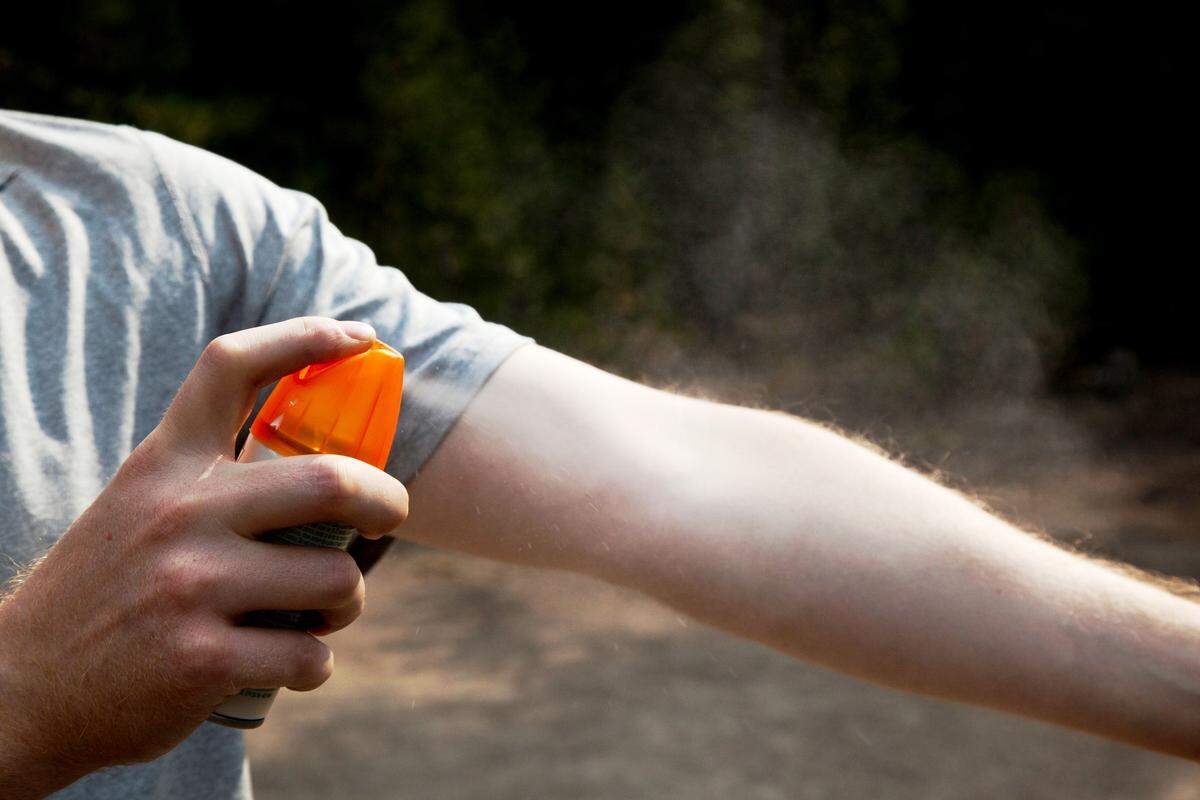
Use EPA-registered insect repellents
To avoid mosquito bites effectively, it’s recommended by the U.S. Environmental Protection Agency to choose a repellent with one of the following active ingredients:
DEET (OFF!, Cutter)
Picaridin (Cutter Advanced, Skin So Soft Bug Guard Plus)
IR3535 (Skin So Soft Bug Guard Plus)
Oil of Lemon Eucalyptus or OLE (Repel Essential Insect)
Para-menthane-diol or PMD (OFF! Botanicals Insect, Treefrog Insect Repellent)
Apply repellents only to exposed skin or clothing, not under clothing, according to the CDC. Avoid contact with eyes, mouth and cuts.
For children under 3 years old, the CDC says to avoid using insect repellents with PMD or OLE.
If you’re planning to use both sunscreen and repellent, apply sunscreen first.
For help finding a repellent that suits your needs, click here to visit the EPA’s repellent selection guide.
Tips for applying insect repellent to children and babies
Dress infants in clothing that covers arms and legs.
Do not apply repellent on children’s hands or near their eyes and mouth.
Apply repellent to your hands first, then spread it on the child’s skin.
Whenever applying insect repellent, always follow the product label instructions and reapply as directed.
Tips to keep mosquitoes out of your yard
The EPA recommends these additional tips for keeping the mosquito population at bay:
Eliminate standing water
Mosquitoes lay their eggs in still water, and their larvae hatch within days. Breaking this cycle is the most effective prevention tactic.
Tips to help prevent mosquitoes from laying eggs include:
Empty and scrub water-holding items such as birdbaths, flowerpot saucers, buckets, toys and trash can lids.
Clean out rain gutters and make sure lawn drains are clear.
Seal rain barrels and cover them with fine mesh to prevent mosquito access.
Keep swimming pool water clean, chlorinated and circulating.
Fill in or drain areas of standing water in your yard.
Use structural barriers
Repair or replace torn window and door screens.
Cover all gaps around windows, walls and doors.
Use mosquito netting over baby carriers, beds, and outdoor seating areas.
Use outdoor repellents and lighting
Use outdoor area repellents like Thermacell devices.
Replace porch and yard lights with yellow bug lights, which are less attractive to mosquitoes (note: these do not repel them but attract fewer).
For more information on mosquito-borne diseases and prevention in South Carolina, visit the SCDPH mosquito resource page.