Don’t let your SC home go up in smoke. Follow these year-round fire safety tips from experts
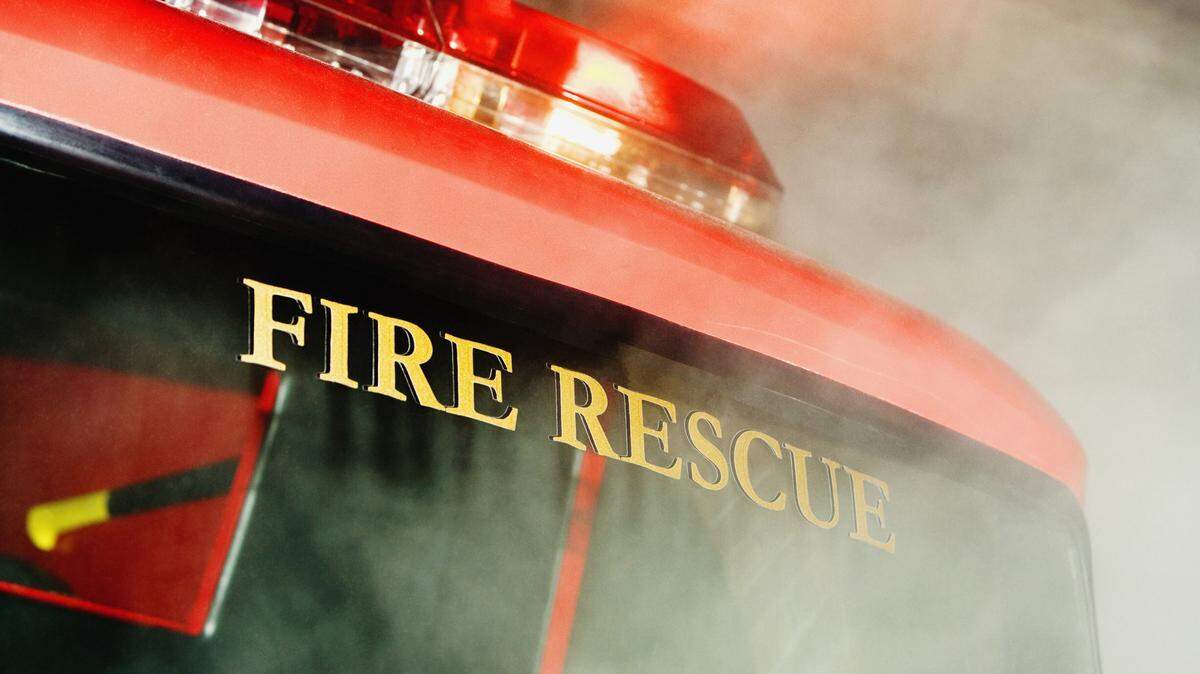
Fire safety isn’t just a seasonal concern but a year-round responsibility for homeowners.
In South Carolina, the use of electricity in the home is constant. Winter brings increased use of space heaters and fireplaces and summer sees high temperatures with more electrical use that can exacerbate fire risks, meaning that it’s crucial to stay vigilant.
Home fires can happen in an instant, often due to everyday activities like cooking, heating or simply plugging too many things into the wall. But most fires are preventable with the right precautions and awareness.
With recent dry conditions and fluctuating temperatures affecting the entire state, now is the ideal time to review essential fire safety measures.
No matter if you’re cooking for family gatherings, cooling your home or decorating for a special occasion, here are top fire prevention tips from the National Safety Council and the American Red Cross that will help protect your home, loved ones and community all year long.
Fire Safety Tips for the Home
Cooking Safety
Stay in the kitchen while frying, grilling or broiling any food. Turn off the stove if leaving, even briefly.
Keep flammable items (like dish towels, paper and curtains) away from the stove top.
Wear short, close-fitting or rolled-up sleeves when cooking.
Keep a fire extinguisher nearby.
Electrical & Home Appliance Safety
Replace frayed or damaged cords and avoid running them under rugs or furniture.
Never overload electrical circuits or force a three-prong plug into a two-slot outlet.
Install Arc Fault Circuit Interrupters (AFCIs) in your home to prevent electrical fires.
Keep matches, lighters and flammable liquids out of children’s reach, preferably in a locked cabinet.
Electrical & Outlet Safety
Avoid overloading outlets. Plug only one high-wattage appliance into an outlet at a time.
Ensure light bulbs are screwed in tightly and use bulbs with the correct wattage for the fixture.
Use extension cords safely and never run them under rugs, furniture or across doorways.
Drapes & Flammable Materials
Keep drapes, rugs, bedding and other flammable materials at least three feet away from outlets, heaters, stoves and fireplaces.
Make sure barbecue grills are positioned at least 10 feet away from siding, deck railings, and overhanging branches.
Use flameless candles and flashlights instead of open flames for lighting or decoration.
Heating & Fireplace Safety
Keep space heaters and fireplaces at least three feet away from flammable materials.
Turn off portable heaters and fully extinguish fireplace embers before leaving the room.
Only buy space heaters that shut off automatically if tipped over.
Use a sturdy fireplace screen to prevent sparks from escaping.
Never use the oven or stove as a heat source for your home.
Smoke Alarms
Having a working smoke alarm in the home is a crucial part of keeping your home fire safe.
According to the National Fire Protection Association, roughly three out of five fire deaths occur because homes do not have working smoke alarms.
To ensure your smoke alarms are working properly and can protect you, the NFPA recommends:
Install smoke alarms on every level of your home, inside bedrooms and outside sleeping areas on the ceiling or high on the wall.
Keep smoke alarms away from the kitchen, at least 10 feet from the stove, to reduce false alarms.
Use special alarms with strobe lights and bed shakers for people who are hard of hearing or deaf.
Test smoke alarms monthly.
Replace batteries in your smoke alarm and carbon monoxide detector annually.
Replace smoke alarms that are 10 or more years old.
South Carolina Burn Bans
Due to the ongoing fires in the Upstate, the Table Rock Fire and the Persimmon Ridge Fire, along with other wildfires and the exceptionally dry weather, the entire state of South Carolina is under a State Forester’s Burning Ban.
This means that all outdoor burning, including yard debris burning, prescribed burning, campfires, bonfires and other recreational fires in all unincorporated areas of the state are prohibited.
Guidance on Yard and Trash Burning
No matter if the state is under a burn ban, when it comes to burning trash, the state of South Carolina bans burning residential and household trash items.
Open burning can pose environmental and safety risks, according to the South Carolina Department of Environmental Services.
In addition to causing brush, residential and forest fires, open burning can release toxic pollutants into the air and produce ash containing toxic metals. These toxic materials can then be inhaled, ingested by children in contaminated soil or absorbed by produce through soil, resulting in potential health risks.
In South Carolina, it’s illegal to burn:
Cardboard
Electrical wires
Farm chemicals
Garbage
Heating oil
Household cleaners
Insulation and duct work
Paper
Paint
Painted, stained or treated wood
Plastics
Roofing materials
Tires and rubber products
Some counties and municipalities do permit residents to burn natural vegetation and yard debris.
Once the burn ban is lifted, check on your local laws to ensure you know what items you can burn safely.
Know How to Use a Fire Extinguisher
Knowledge of and comfort using a fire extinguisher can help in case of emergencies, but in any fire emergency, contact 9-1-1.
Before opting to use a fire extinguisher, the American Red Cross provides these cautionary tips:
Everyone has left or is leaving the home.
The fire department has been called.
The fire is small, not spreading and there is not much smoke.
Your back is to an exit you can use quickly.
To use the extinguisher, always remember the acronym PASS:
Pull the pin.
Aim low at the base of the fire
Squeeze the handle slowly.
Sweep the nozzle from side to side.
Keep in mind that not all fire extinguishers are made the same.
If you are looking to purchase a fire extinguisher for your home, the National Fire Protection Association recommends a multi-purpose device large enough to put out a small fire but not so heavy that it will be difficult to handle.
Always make sure that you put your safety first. If you are not comfortable using an extinguisher, evacuate and call 9-1-1.