Can an HOA in SC give you a real speeding ticket? Here’s what state law says
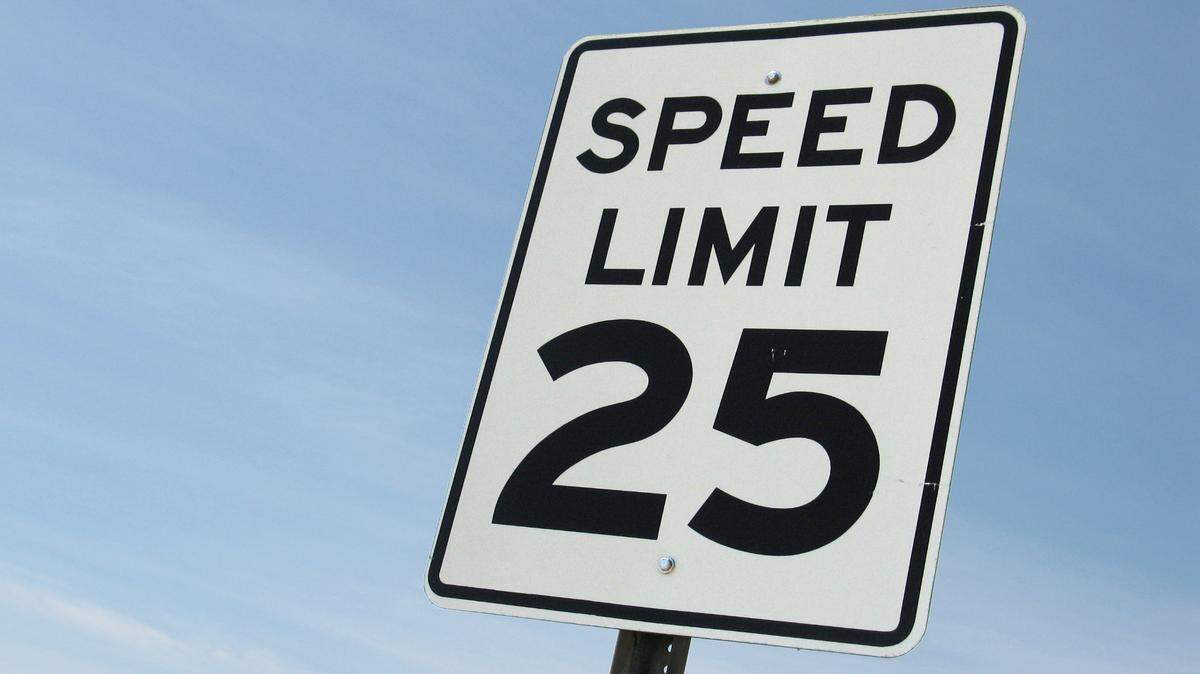
Do you sometimes drive a little too fast on the way to work or to get home at the end of a long day?
Make sure to watch your speed in HOA neighborhoods, as some posted speed limits can result in hefty fines if violated.
Most Home Owner Associations establish speed limits within their communities to ensure the safety of residents. However, some homeowners question if HOAs even have the power to do so and if they are required to pay any fines issued by them.
Here’s what you should know about speed limits and traffic tickets in HOA neighborhoods in South Carolina.
What SC law says about speed limits on private roads
The South Carolina Uniform Act Regulating Traffic on Highways governs vehicles and drivers on South Carolina roads. This Act applies to all types of vehicles including motorcycles, bicycles, mopeds, buses, trucks and even farm tractors. It also discusses provisions that address right-of-ways, powers of local authorities, accidents, reports and traffic signs.
When considering private roads, this Act states that these provisions will only apply to private roads if the owner of those private roads consents.
It requires that the owner of private roads, such as an HOA, file a written consent to follow the South Carolina Uniform Act. This consent confirms that they own the private roads. This confirmation of ownership allows the HOA to establish its road policies and maintenance of these roads since it is their private property.
How do HOAs set speed limits?
HOAs are permitted to set speed limits under this Act, but they must submit proposed speed limits and traffic sign locations to the county sheriff for approval.
The sheriff’s written approval is required before setting speed limits or posting traffic signs. The signs are also required to be similar to those used on public roads.
Speed limits can be below the county limits but not to the point of absurdity, such as a 3 mph speed limit.
How can an HOA fine me for speeding?
Associations generally have the authority to fine homeowners for speeding on private roads so long as the speed limit of the neighborhood is clearly posted and communicated with residents.
HOAs are permitted to adopt and establish rules that include fines for traffic violations, but it must be included in their governing documents.
When it comes to HOA enforcement of speed limits, they are able to fine homeowners or offending parties for speeding on private roads. HOAs can even take the offending party to court, but they do not have the authority to arrest or issue valid speeding tickets under state law.
Traffic violations are to be treated like any other HOA violation. In this case, the offender did not commit any city or state crimes but only violated the governing documents of the association.
If an HOA decides to take a speeding ticket to court, note that these tickets are categorized as civil charges rather than criminal ones.
In most cases, gated community roads are private and not owned by the city or county, meaning that the protocol for speeding violations in HOA neighborhoods can vary based on the governing documents of each association.
What should I do if I want to dispute the ticket from my HOA?
In South Carolina, HOAs have specific mechanisms for handling violations and disputes. These entail fines and penalties for noncompliance and structured approaches for dispute resolution.
Refusing to pay the fine usually results in an attempt to tow the vehicle and other civil punishments.
Additionally, an association must provide the accused with an opportunity to explain themselves in front of the board or committee.
Fines are commonly levied by HOAs as a punitive measure for violating community rules. The enforceability of governing documents (such as fines or penalties) is upheld by state law, provided these measures comply with the recorded covenants and bylaws.
If your refusal to pay a fine results in excessive dues, HOAs in South Carolina may initiate foreclosure procedures, but they must follow proper legal protocols and offer homeowners options for resolution before doing so.
When a dispute for a fine happens, HOAs must offer a dispute resolution plan that is a cost-effective solution for both parties.
The South Carolina Homeowners Association Act provides a framework for these complaints.
HOAs must adhere strictly to the Fair Housing Act to prevent legal ramifications and uphold individual rights.
My HOA has a traffic officer or law enforcement present, is that allowed?
As a part of community rules or regulations outlined in HOA governing documents, HOAs are able to hire off-duty police officers or work with local law enforcement for neighborhood patrolling.
Private roads are not routinely patrolled by law enforcement and officers do not have legal jurisdiction to control civil traffic issues on private roads.
However, private security officers are permitted to write traffic citations on behalf of the HOA, but not the state. It is up to the HOA of each community to pay and decide the role a security officer will have in their respective community.
If you are issued a fine by a private officer on behalf of an HOA, you can still face civil charges from the HOA.
What are the key takeaways?
Since neighborhoods are private, HOAs can issue speeding fines that may result in civil charges.
By consenting and agreeing to live in an HOA neighborhood, you consent to follow the rules and regulations, which can include speeding limits depending on your community.