Can you drive 10 mph over the speed limit in SC to keep up with traffic? Here’s what state law says
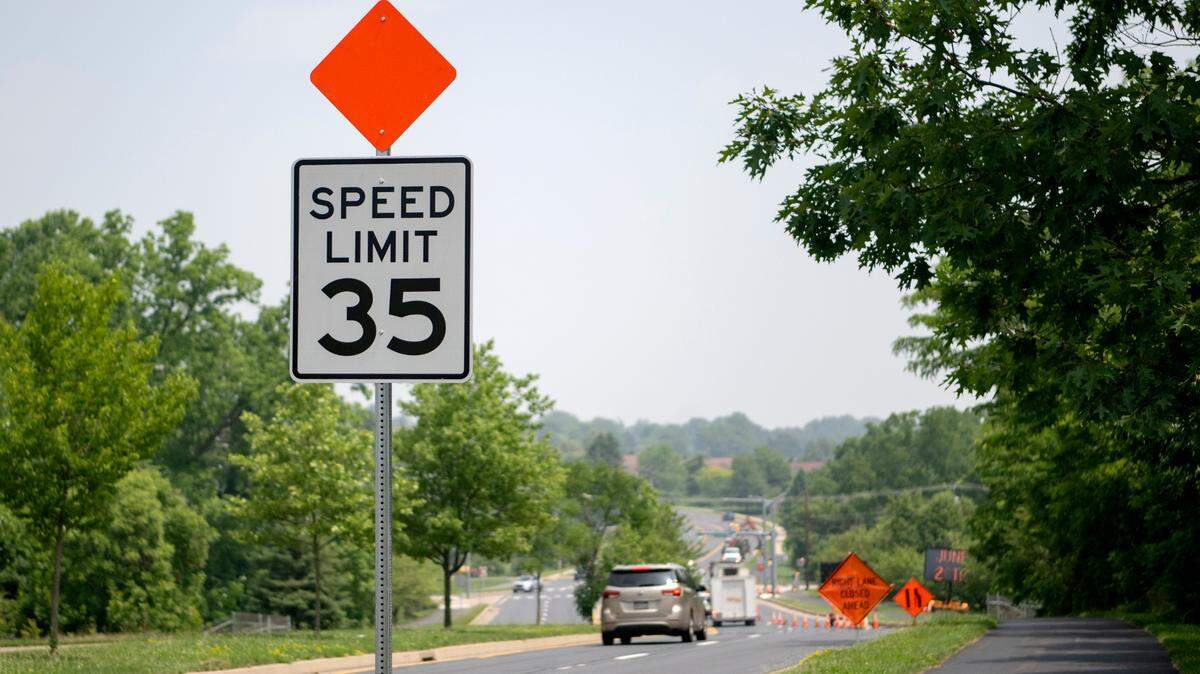
Driving on South Carolina highways can sometimes feel like a race.
No matter how fast you’re driving, it seems like there’s always someone traveling faster and ready to pass you.
With that in mind, what if a good chunk of the traffic is moving faster than you are? Can you then legally travel above the posted speed limit if it’s just to match traffic — even if that means driving 10 mph over the speed limit?
Here’s what South Carolina law says.
Driving 10mph over SC speed limit
Police officers on patrol do have some discretion when it comes to issuing speeding tickets. However, South Carolina has a general speed law that prohibits speeding, even for just 10 mph over the limit.
According to Section 56-5-1520 of the SC Code of Law, “no person shall drive at a greater speed than is reasonable and prudent under the conditions and having regard for the actual and potential hazards then existing. Speed must be so controlled to avoid colliding with person or vehicle.”
Under the state law, driving above the posted speed limit but not in excess of 10 mph carries a fine of between $15 and $25.
SC speed limits
Here’s a list of basic speed limits in the state.
- 70 mph — Interstates where posted
- 60 mph — Multi-lane divided, primary highways where posted
- 55 mph — In other locations
- 40 mph — On unpaved roads
- 55 mph — Maximum for manufactured homes (10 below max posted speed)
- 30 mph — In urban districts
A driver must reduce speed when:
- Approaching and crossing an intersection
- Going around a curve
- Approaching a hillcrest
- Traveling on a narrow road or bridge
- Or by reason of weather or highway conditions
SC speeding penalties
- Up to 10 mph: $15-$25
- 11-15 mph: $25-$50
- 16-25 mph: $50-$75
- Above 25 mph: $75-$200 or imprisoned for no more than 30 days
This story was originally published February 16, 2024 at 6:00 AM with the headline "Can you drive 10 mph over the speed limit in SC to keep up with traffic? Here’s what state law says."