5 tips to safely fry a turkey at your SC home on Thanksgiving, fire experts say
Frying a turkey for Thanksgiving? These safety tips could help keep you, your family and your home safe during the holiday.
As delicious as fried turkeys are, they are practically a safety hazard as several different safety issues accompany the process of turkey frying.
Follow these five safety measures to help keep everyone safe this Thanksgiving.
1. Thaw your turkey
You want to make sure your turkey is completely thawed a day before cooking, according to Ross Vezin, deputy chief of operations for the City of Beaufort/Town of Port Royal Fire Department.
This is because peanut oil is generally used for turkey frying. Water and oil do not mix with one another. If you begin to drop an unthawed turkey in the frying oil, it will start to thaw while in the oil and begin producing water. The inability for the two liquids to mix would cause it to burn, overflow and the oil will ignite, said Burton Fire District’s Public Information Officer and Assistant Fire Chief Dan Byrne.
.JPEG "BurtonFD_Turkey Fryer Safety (b).JPEG")
2. Fry your turkey on flat ground
Remember to place your fryer on a flat, even surface. Carefully and properly gauge the amount of oil you need to use and do not overfill the fryer. The fryer and oil you plan to use must be positioned on even ground and remain steady for the entirety of the planned cooking time.
3. Maintain a safe distance
Make sure the fryer is away from any structure that is capable of burning. This can include your home, a garage, shed, vehicle or any overhanging structure. The ideal recommendation is 50 feet, Byrne said.
If the frying of the turkey goes wrong, this will help to avoid anything potentially catching on fire and igniting.
Even if the ground is solid or structures include concrete, “keep outdoor fryers outside, off decks/porches and out of garages,” Vezin said.
Family members also may be a safety concern if they happen to come near the fryer during the cooking process.
Make sure to keep the fryer in an area that is not accessible to everyone. Pick a non accessible location away from everything else where loved ones won’t happen to walk by it, accidentally get burned or where the fryer may accidentally get knocked over, said Joheida Fister, the Fire Marshal for Hilton Head Island Fire Rescue.
4. Monitor the temperatures
Remember to use caution and protection when handling the turkey fryer and the necessary utensils. Oil may splatter and the frying pot’s lid and handles can be extremely hot. Improperly handling these areas could cause severe and painful burns.
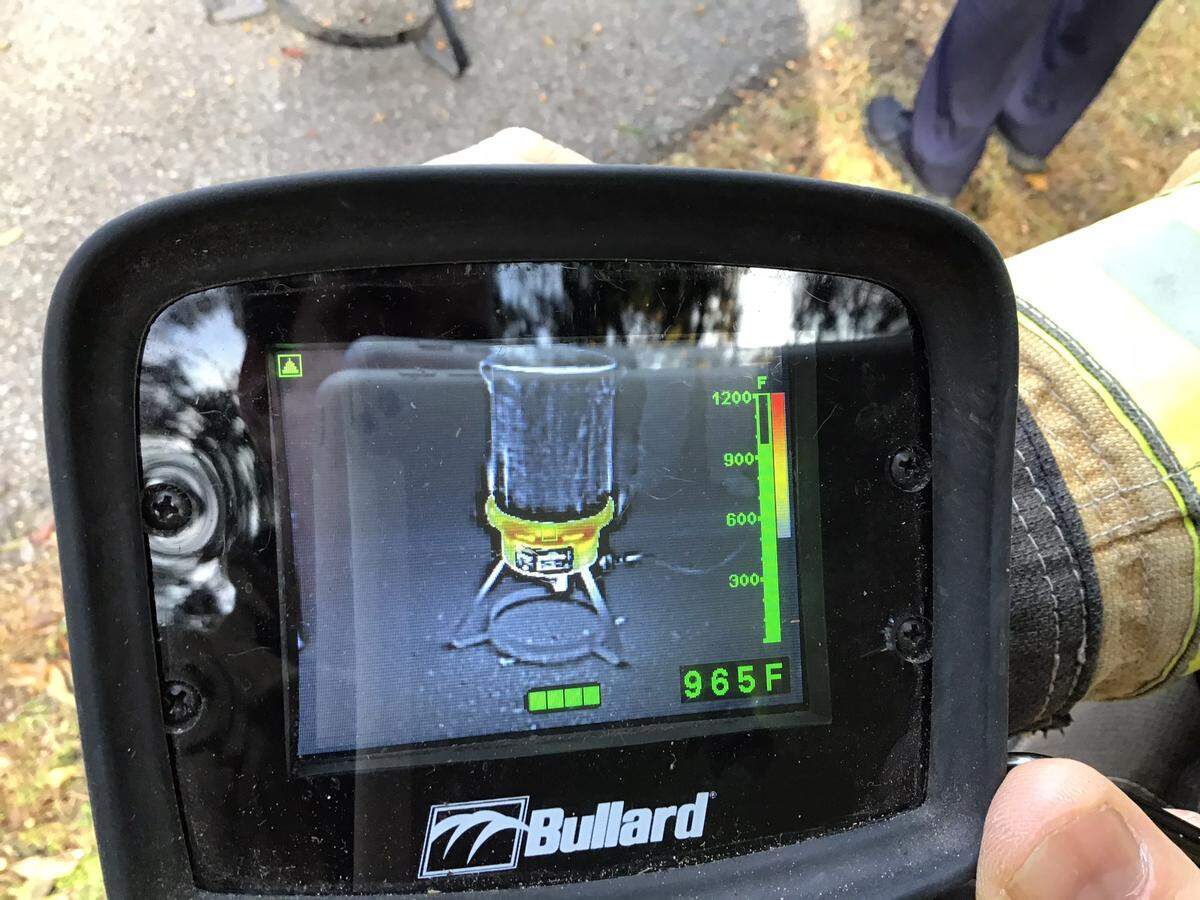
In addition, keep track of your peanut oil’s temperature, but remember to maintain a safe distance.
Cooking is the most frequent cause of fires, especially around the holidays. Make sure that everything is attended to and is consistently monitored. Avoid leaving towels, aprons or napkins lying around, and if there is an issue make sure it is caught in its early stages, said Fister.
5. Invest in a dry chemical fire extinguisher
Keep an ABC Dry Chemical Home Fire Extinguisher on hand. If your turkey happened to catch fire, water would be unable to put it out.
“If there is a fire, if something goes wrong, call 911 right away. If the fire goes out, if you’re able to take care of it, you can always call to cancel it, but those fires can get very explosive very quick. So, get a start and call 911,” Byrne said. “If the fire is coming from the propane tank, if there’s a leak in the hose or the tank, if it’s not coming from the actual pot and it’s propane burning, call 911 but let it burn until we get there.”
The reason being, if the fire was to be put out, the propane will still be leaking, but then you will no longer be able to see it. You do not want the propane to continue to leak and later find a separate ignition source in a different location and potentially ignite a bigger, more dangerous fire later on.