Cute, playful & a potential threat. Here are 6 facts about SC river otters
Have you ever seen a river otter along the banks of South Carolina waters?
If you’ve had the chance to spot them, they can be seen swimming, playing and bobbing through local water sources near you.
Although river otters aren’t endangered in South Carolina, sightings of these semi-aquatic critters can be rare as they prefer uninhabited areas with clean, clear water and where food is abundant, according to the South Carolina Aquarium.
Where can you find them?
Local river otter populations can be seen throughout the Palmetto State in major river drainages and are abundantly found in the state’s coastal marshes and blackwater swamps due to the vast amounts of food and cover. In the Lowcountry, these otters can also be found in coastal waterfowl impoundments, according to the South Carolina Department of Natural Resources.
In South Carolina’s Piedmont region, river otters use beaver ponds and abandoned beaver lodges for den sites.
What do they eat? Are they carnivorous?
These critters are the largest member of the weasel family found in South Carolina and are known to eat almost any animal matter found in aquatic systems, with their diet tending to reflect their surrounding habitat. Whether they are coastal or mountainous river otters within the state, this may include various local organisms such as crayfish, crabs, clams, mollusks, fish, turtles, waterfowl, amphibians, mice, turtles and even bird eggs.
What do they look like?
The otters are covered in short, dense fur, which is colored dark brown overall and a grayish brown underneath. Adult river otters generally measure between 35 to 55 inches in length, about one-third of which is their tail, detailed SCDNR.
Male otters generally weigh between 15 to 20 pounds, with females being slightly smaller and can generally live for about 12-15 years in the wild.
Although the temperatures statewide have begun to cool with the onset of autumn and the upcoming winter season, the local river otter demographic will continue with their daily activities. River otters do not hibernate and will not migrate anywhere else. Their thick, waterproof costs allow them to stay warm throughout the winter amid the state’s ever-changing temperatures.
River otters have the ability to swim up to 12 mph and run up to 18mph. In addition, they can close off their nostrils and ears while swimming underwater and can hold their breath for about 4 minutes, according to the South Carolina Aquarium.
What are their breeding patterns?
These mammals do not reach sexual maturity until they are 2 years old and most of their breeding occurs in later winter and early spring.
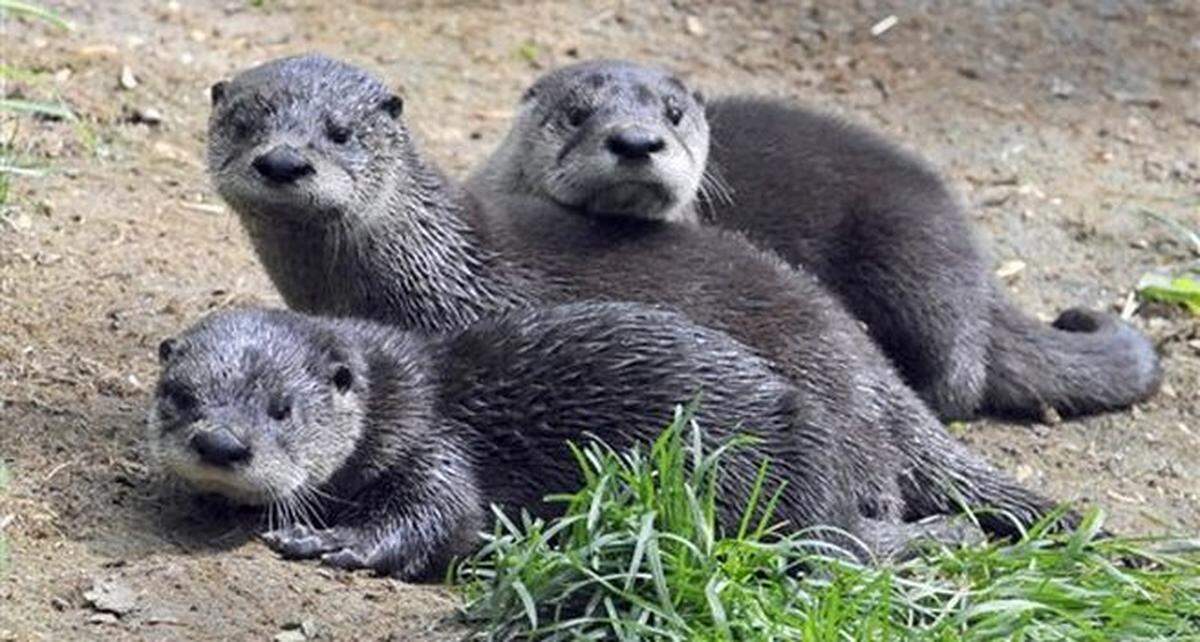
The otters undergo delayed fertilization where the fertilized egg will float around in the uterus for around nine months before implantation occurs, according to SCDNR. Their gestation will last around 60 days, and the young will be born almost one year after conception.
A single litter may range between one to five pups, also called kits, with an average of two per litter. The young will then stay with their mother for about a year and will only move on right before the following litter is due to be born.
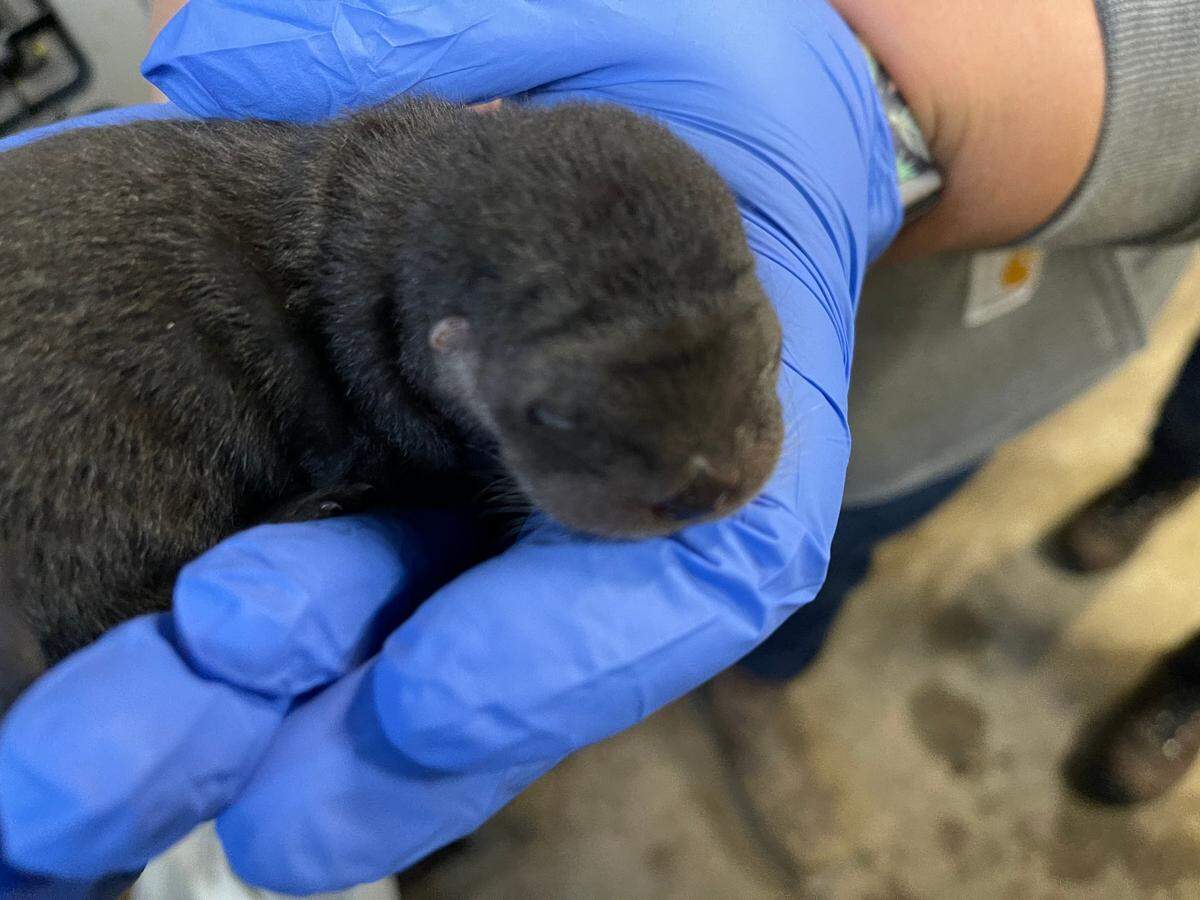
These young are typically born in some sort of den, such as a hollow tree, and are born helpless, blind, but fully furred at birth.
After about three weeks, the pups’ eyes will open and they will take their first swim at around 8 weeks old.
SCDNR reported that the mothers will teach the young to swim and forage until they can look after themselves without assistance, which usually occurs by 6 months, but the young may stay with the female up until they are around a year old.
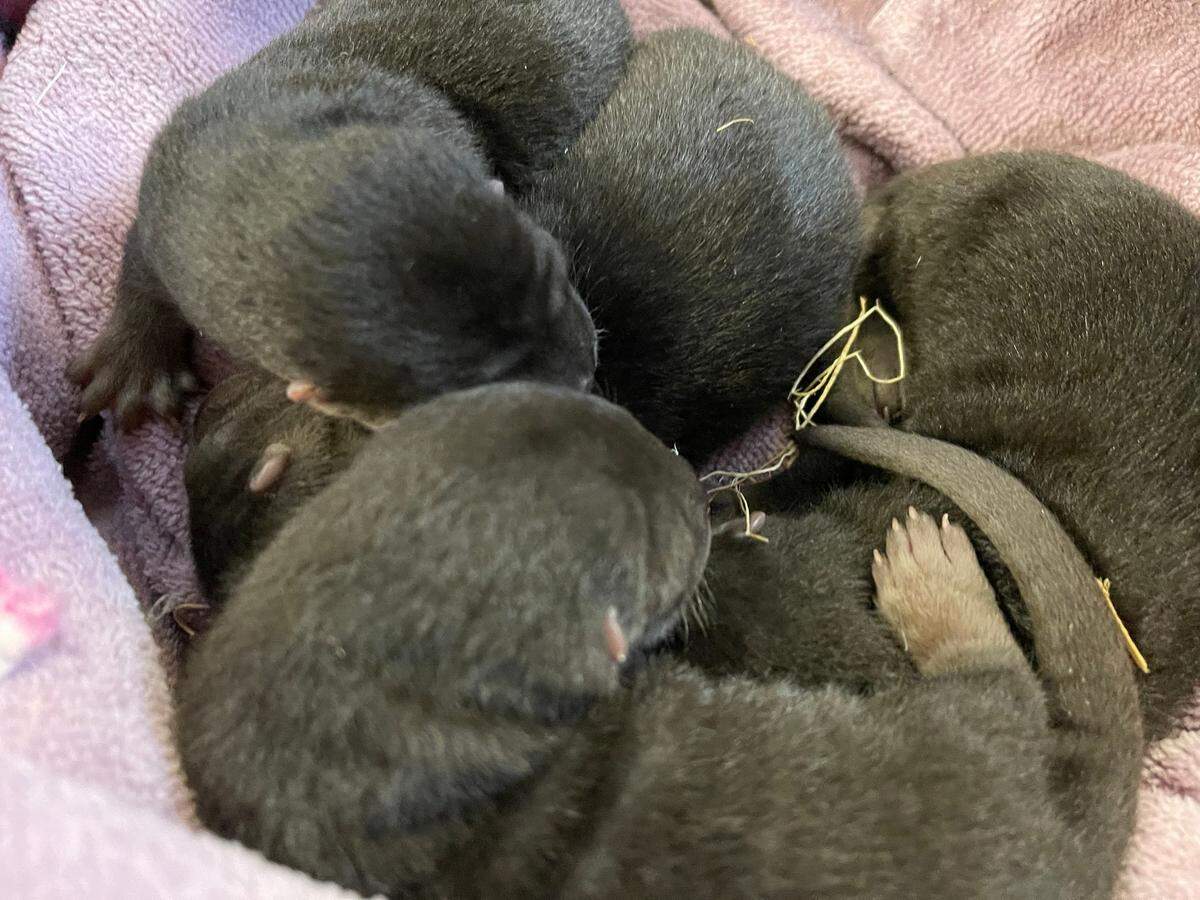
Throughout this time, the adult male otters do not participate in caring for their young.
Can you tell if they are nearby?
Playful in nature, the presence of otters in the area can be distinguished by the existence of slides.
“Slides are a common sign of river otter presence and there are often several in a river otter’s home range. Slides are about 1 foot wide and located at water’s edge—frequently on islands in lakes, or in openings under bushes or brambles along creeks and streams. Slides are made in grass, dirt, sand, or snow. There is often a trail from the water’s edge to the slide,” according to the Washington Department of Fish and Wildlife.
Are they dangerous?
Although these critters appear very friendly, with their sweet appearance and playful nature, it may seem hard to believe that otters can be dangerous. However, otters can be aggressive when necessary, detailed Critter Control.
“If an otter feels threatened, its heavy, muscular body and sharp claws are enough to overpower pets and small children,” Critter Control writes on its website.
“Never instigate a close encounter with river otters. They have been known to attack humans and females with young are unpredictable,” details the Washington Department of Fish and Wildlife.
These critters may also attract secondary danger.
Otters can transmit rabies to humans and pets, much like raccoons. Seek medical help for any scratches or bites received by an otter.
In addition, “when otters are present around lakes and ponds, their fecal matter accumulates up to 20 yards from shorelines,” according to Critter Control.
River otters also litter nearby grass or land with fish bones, scales, shells and other animal debris, which in turn can attract flies and other pests that carry an array of diseases.