SC will see two supermoons in the night sky soon. Here’s when and what that means
If you look forward to gazing at a full moon each month, in August you’ll get double the excitement.
In August 2023, there will be two super full moons that will appear overhead, with one being at the very beginning of the month and the other at the very end.
The full sturgeon moon will reach its peak on Tuesday and the full blue moon will occur on Aug. 30. The blue moon will also be the closest supermoon of the year.
The two supermoons will be the second and third that will occur this year of a total of four transpiring overall. The first one occurred on July 3 and the fourth and last supermoon will take place on Sept. 29.
When will they occur?
The sturgeon moon, the first full moon of August, will occur on Tuesday afternoon and will reach its peak illumination at 2:32 p.m. Since you won’t be able to see the moon at that time, look toward the skies that evening after sunset to catch a glimpse of the supermoon as it rises.
The second full moon, a blue moon, will take place on Aug. 30, with its peak illumination occurring at 9:36 p.m.
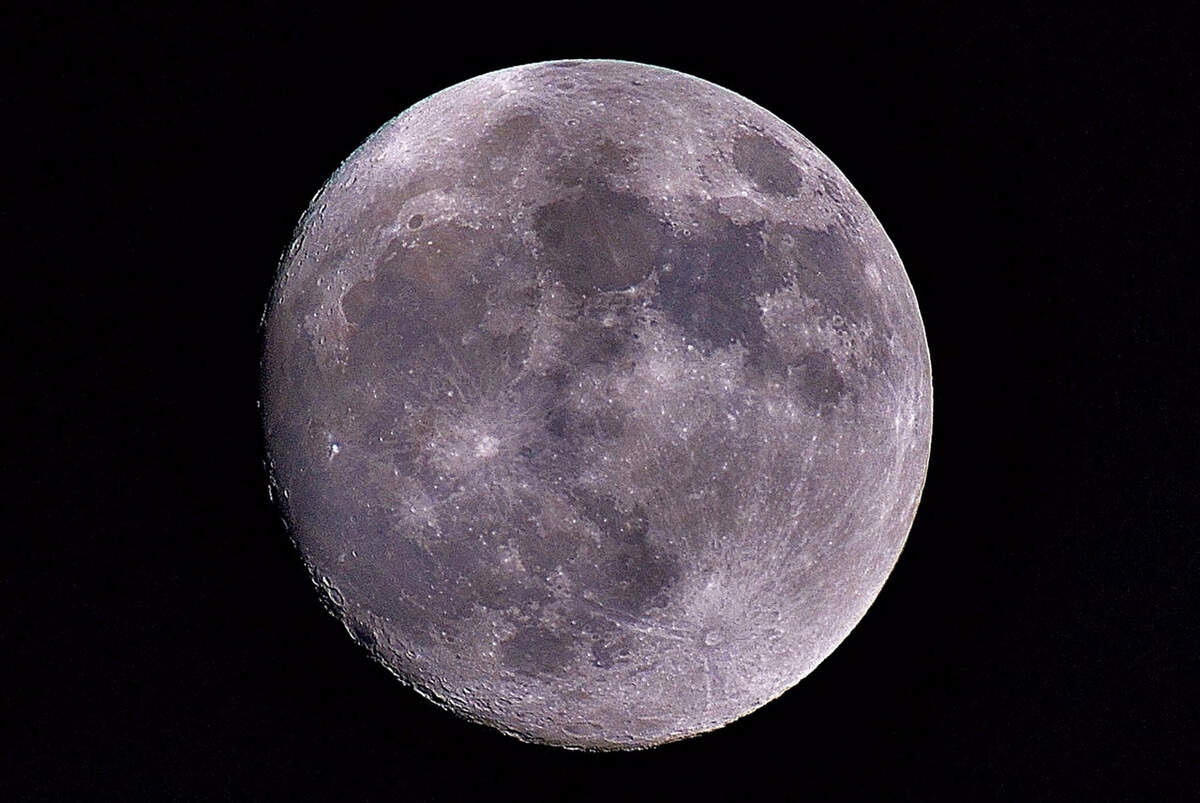
What is a blue moon?
The phrase “blue moon” is most commonly used when two full moons occur in a single month, detailed the Old Farmer’s Almanac. This is the calendrical definition. This will not occur again for another few years. However, it is also defined as as a seasonal blue moon, which refers to the third full moon in a season that has four full moons.
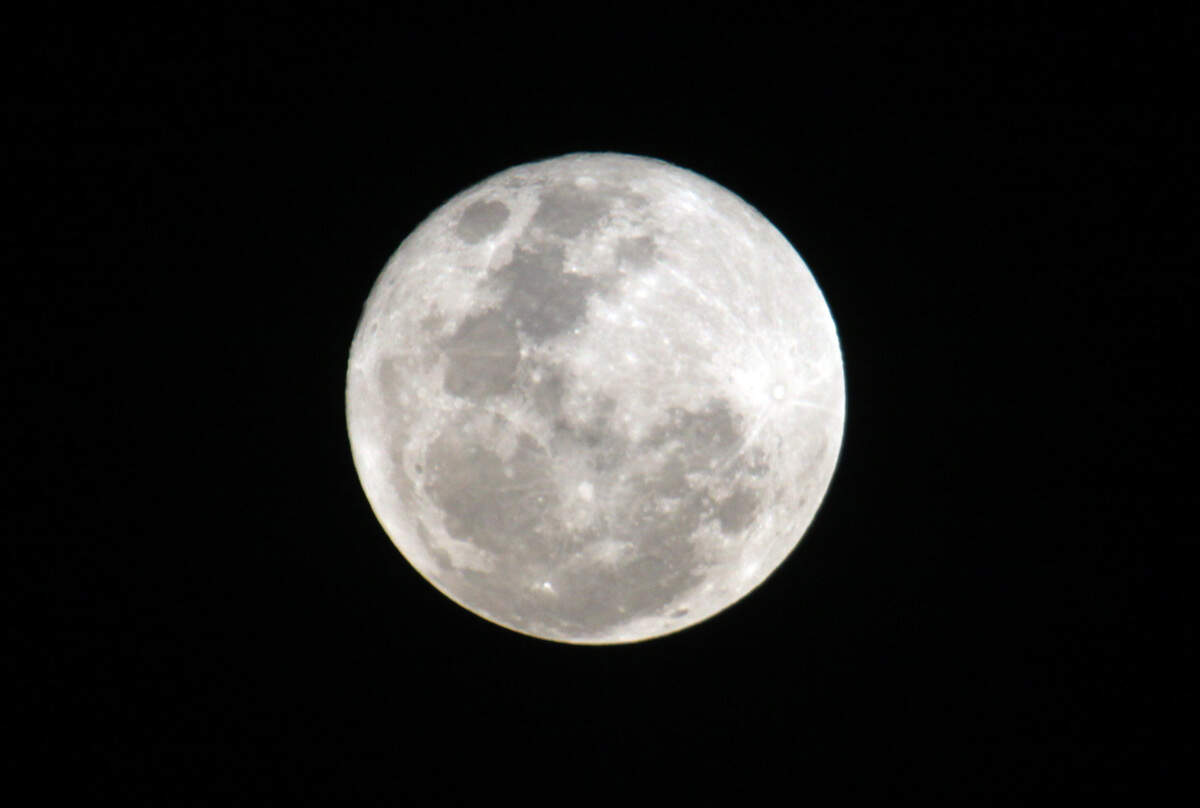
Despite the commonly heard phrase “once in a blue moon,” blue moons can occur more frequently than you might think. NASA describes that these moons can occur once every two to three years.
The blue moon that will appear in the night sky between Aug. 30-31 will be the closest, biggest and brightest full supermoon taking place this year and will only be 222,043 miles from Earth. The next time a closer full supermoon will take place will be Nov. 5, 2025, when the moon will lie just 221,817 miles from Earth, the Old Farmer’s Almanac states.
However, also described as a blue moon, the moon will most likely not turn a shade of the color blue during this event as that occurrence is a very rare phenomenon, which is sometimes the result of a volcanic eruption, according to Space.com.
Why is the Aug. 1 supermoon called the sturgeon moon?
“August’s full moon was traditionally called the sturgeon moon because the giant sturgeon of the Great Lakes and Lake Champlain were most readily caught during this part of summer,” described the Old Farmer’s Almanac.
What is a supermoon?
When the moon orbits Earth, it does so in an ellipse, which brings it closer to and farther from the earth as it goes around in an ovular pattern. During this cycle, a supermoon occurs when the moon’s orbit is closest, called perigee, to Earth at the same time the moon is full, according to NASA.
When a full moon is at perigee, the moon is at its closest point to Earth, which is an average distance of about 226,000 miles from Earth. When a full moon appears at perigee, it is slightly brighter and larger than a regular full moon.
August 2023 moon phases
Full moon: Aug. 1
Last Quarter: Aug. 8
New Moon: Aug. 16
First Quarter: Aug. 24
Full Moon: Aug. 30
Remaining Full Moons for 2023
Here is a list of all the full moons set to occur this year, according to NOAA:
Jan. 6: This full moon happened at 6:08 p.m. It’s called the wolf moon.
Feb. 5: This full moon happened at 1:29 p.m. It’s called the snow moon.
March 7: This full moon happened at 7:40 a.m. It’s called the worm moon.
April 6: This full moon happened at 12:34 a.m. It’s called the pink moon.
May 5: This full moon happened at 1:34 p.m. It’s called the flower moon.
June 3: This full moon happened at 11:42 p.m. It’s called the strawberry moon.
July 3: This full moon happened at 7:39 a.m. It’s called the buck moon.
Aug. 1: This full moon will occur at 2:32 p.m. It’s called the sturgeon moon.
Aug. 30: This full moon will occur at 9:36 p.m. It’s called the blue moon.
Sept. 29: This moon will occur at 5:57 a.m. It’s called the harvest moon.
Oct. 28: This moon will occur at 4:24 p.m. It’s called the hunter’s moon.
Nov. 27: This full moon will occur at 4:16 a.m. It’s called the beaver moon.
Dec. 26: This full moon will occur at 7:33 p.m. It’s called the cold moon.