The first supermoon of 2023 will occur over SC soon. Here’s what that means and when to see it
The first full supermoon of this year is set to occur on Monday.
Commonly known as the buck moon, this full moon will rise just after sunset on the eve of Independence Day.
This full moon will be the first of four supermoons throughout 2023, so this full moon will appear bigger and brighter than usual.
When will it occur?
This full moon is set to be at its brightest at 7:39 a.m. for South Carolina residents, but don’t worry. Although it will be below the horizon at this time, you’ll still be able to see it rise in the sky that evening, and it may even be visible the evening prior.
Why is it called the buck moon?
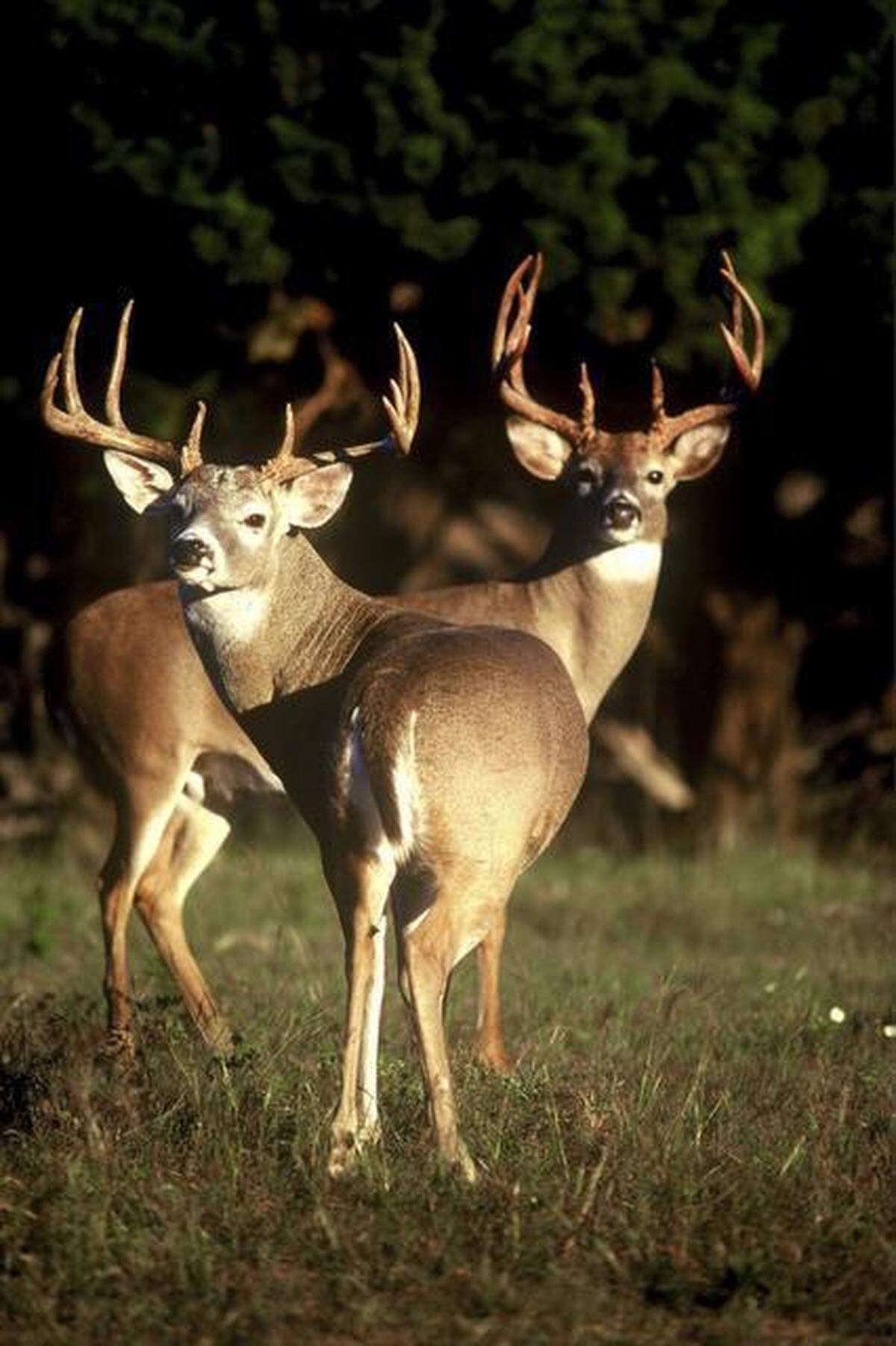
July’s full moon is coined the buck moon because the antlers of male deer, otherwise known as bucks, are “in full-growth mode at this time,” according to the Old Farmer’s Almanac.
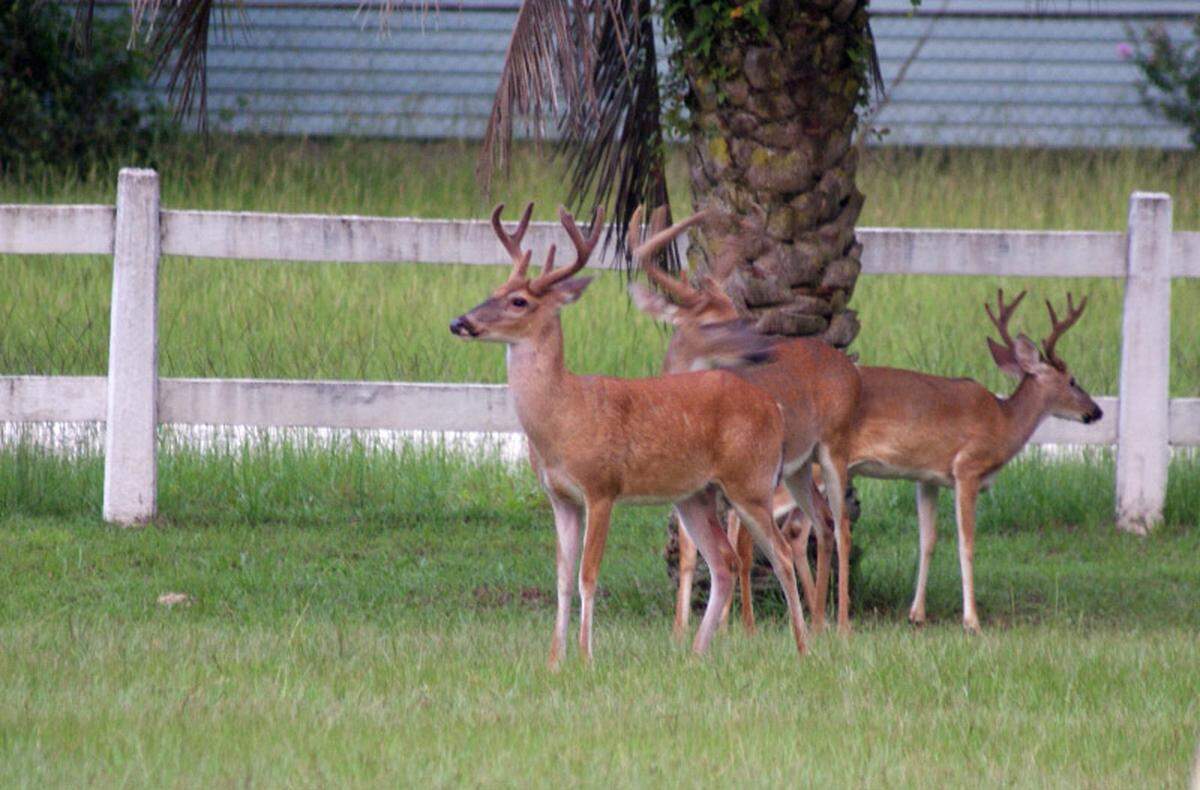
Bucks will shed and regrow their antlers each year. As the years go by, they will continue to produce a larger set.
What is a supermoon?
When the moon orbits Earth, it does so in an ellipse, which is an oval that brings it closer to and farther from the earth as it goes around. During this cycle, a supermoon occurs when the moon’s orbit is closest, called perigee, to Earth at the same time the moon is full, according to NASA.
When a full moon is at perigee, the moon is at its closest point to Earth, which is an average distance of about 226,000 miles from Earth. When a full moon appears at perigee, it is slightly brighter and larger than a regular full moon, NASA states.
Why is this moon phase called a full moon?
Earth’s moon takes approximately 30 days, or one month, to revolve around the Earth, which is what is called a lunar cycle, detailed NASA.
A full moon is one of eight lunar phases and occurs when the moon is on the opposite side of Earth from the sun during its monthly orbit and the light fully illuminates the moon.
When are the different remaining moon phases in July this year?
With the first quarter phase already occurring on June 26, according to timeanddate.com, there are only three remaining primary moon phases left in July.
Full moon: July 3
Third quarter: July 9
New moon: July 17
When will supermoons occur in 2023?
There will be four full supermoons occurring this year. The first will occur on Monday. The second supermoon of 2023 will be on Aug. 1, the third on Aug. 31, and the fourth will occur on Sept. 29.
Remaining full moons for 2023
Here is a list of all the full moons set to occur this year, according to NOAA:
Jan. 6: This full moon happened at 6:08 p.m. It’s called the wolf moon.
Feb. 5: This full moon happened at 1:29 p.m. It’s called the snow moon.
March 7: This full moon happened at 7:40 a.m. It’s called the worm moon.
April 6: This full moon happened at 12:34 a.m. It’s called the pink moon.
May 5: This full moon happened at 1:34 p.m. It’s called the flower moon.
June 3: This full moon happened at 11:42 p.m. It’s called the strawberry moon.
July 3: This full moon will occur at 7:39 a.m. It’s called the buck moon.
Aug. 1: This full moon will occur at 2:32 p.m. It’s called the sturgeon moon.
Aug. 30: This full moon will occur at 9:36 p.m. It’s called the blue moon.
Sept. 29: This moon will occur at 5:57 a.m. It’s called the harvest moon.
Oct. 28: This moon will occur at 4:24 p.m. It’s called the hunter’s moon.
Nov. 27: This full moon will occur at 4:16 a.m. It’s called the beaver moon.
Dec. 26: This full moon will occur at 7:33 p.m. It’s called the cold moon.
This story was originally published July 1, 2023 at 6:30 AM.