SC has a state butterfly and it may be fluttering outside already. Here’s how to identify one
Did you know that South Carolina has its very own state butterfly?
The Eastern Tiger Swallowtail (Papilio glaucus) was designated as the official butterfly of the Palmetto State by Act Number 319 in 1994.
The Garden Club of South Carolina had identified this butterfly as a particular interest to South Carolina residents because the insect serves as a pollinator in orchards and gardens, according to the South Carolina State House.
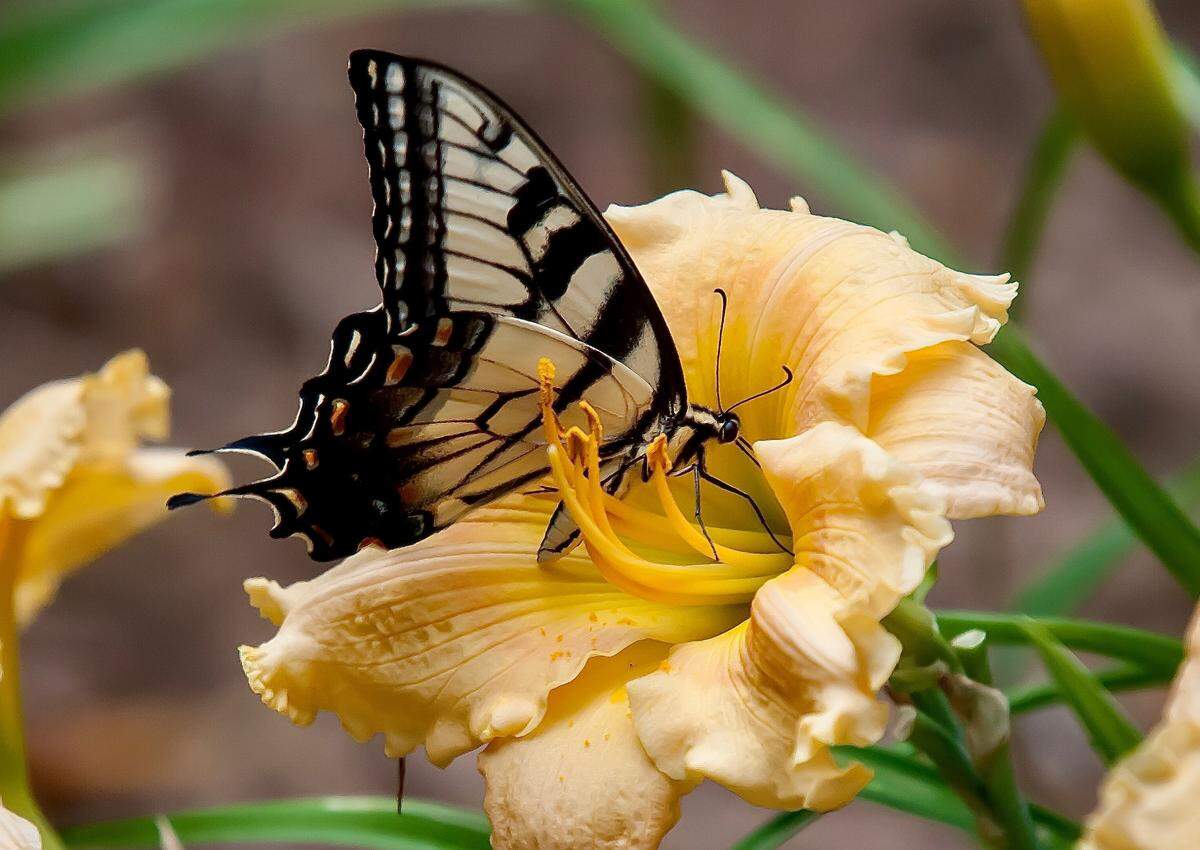
This species’ males can be easily identified as they are colored bright yellow with four black tiger-like stripes on the forewing.
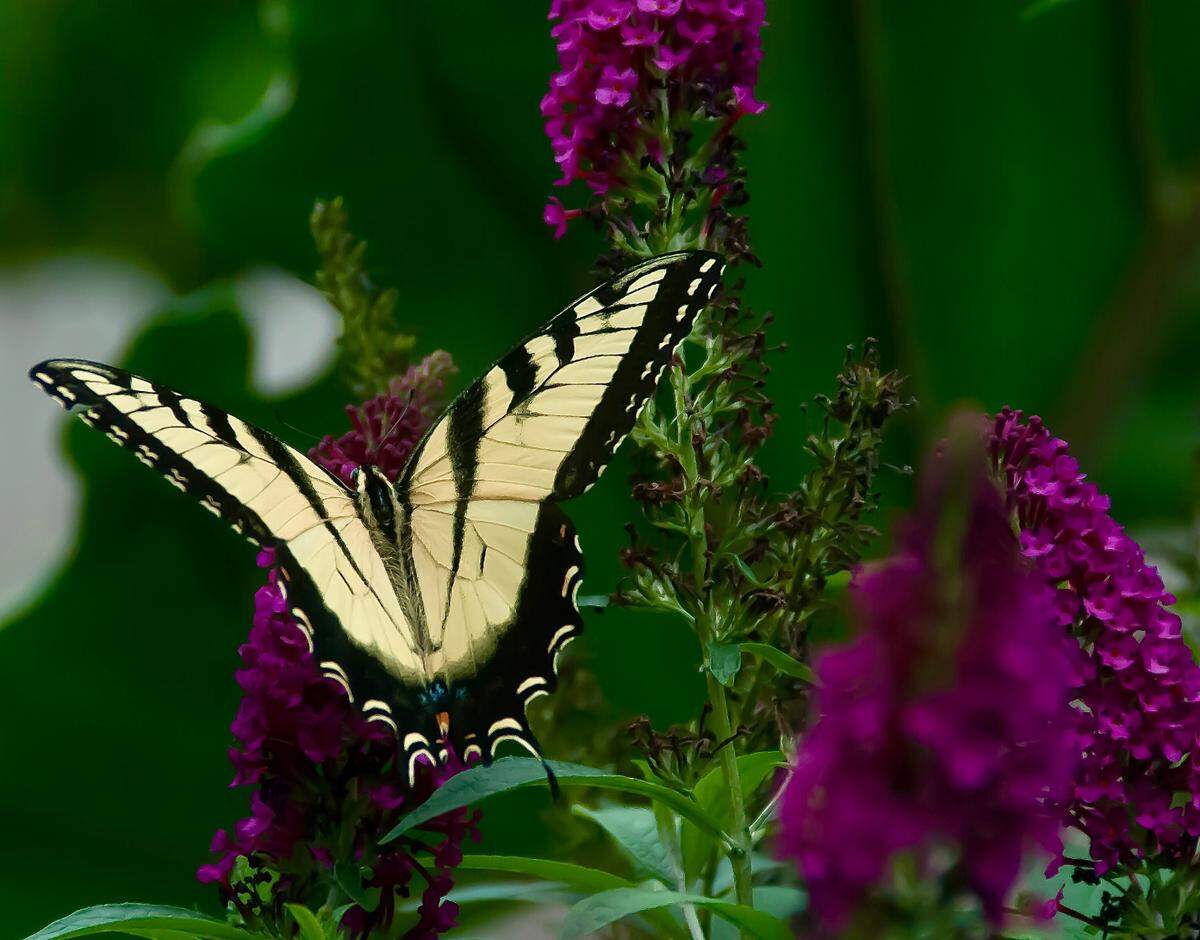
Females for this species can be identified in two different forms.
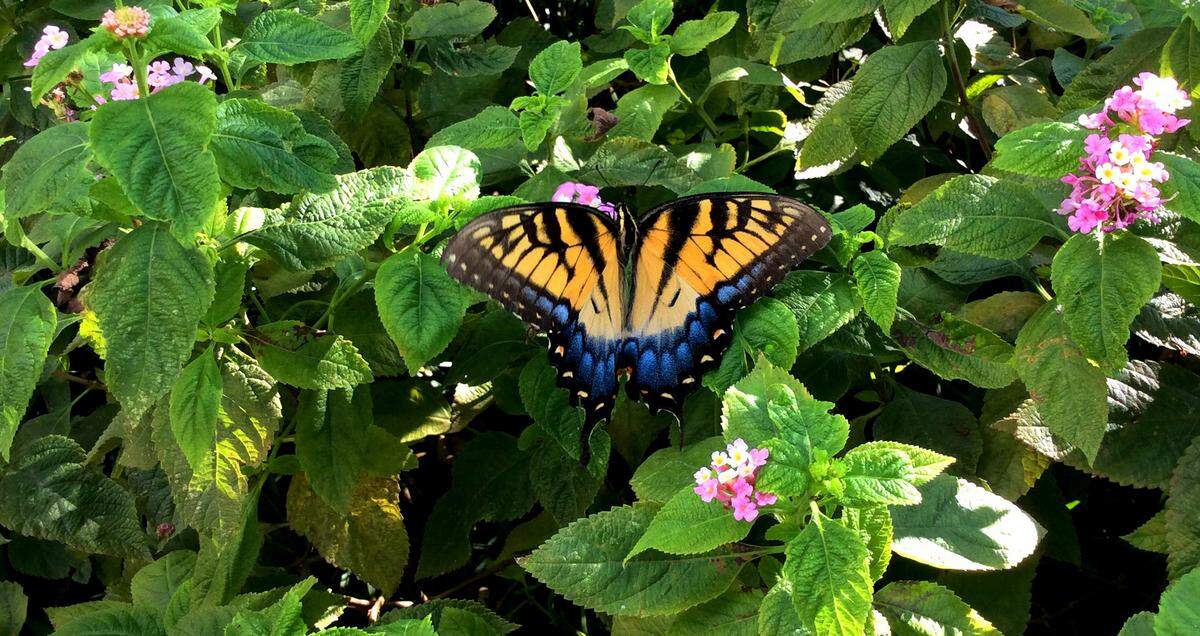
The “light form” of the female butterfly looks very similar to the male with the exception that she has more blue on her hind wings, according to State Symbols USA.
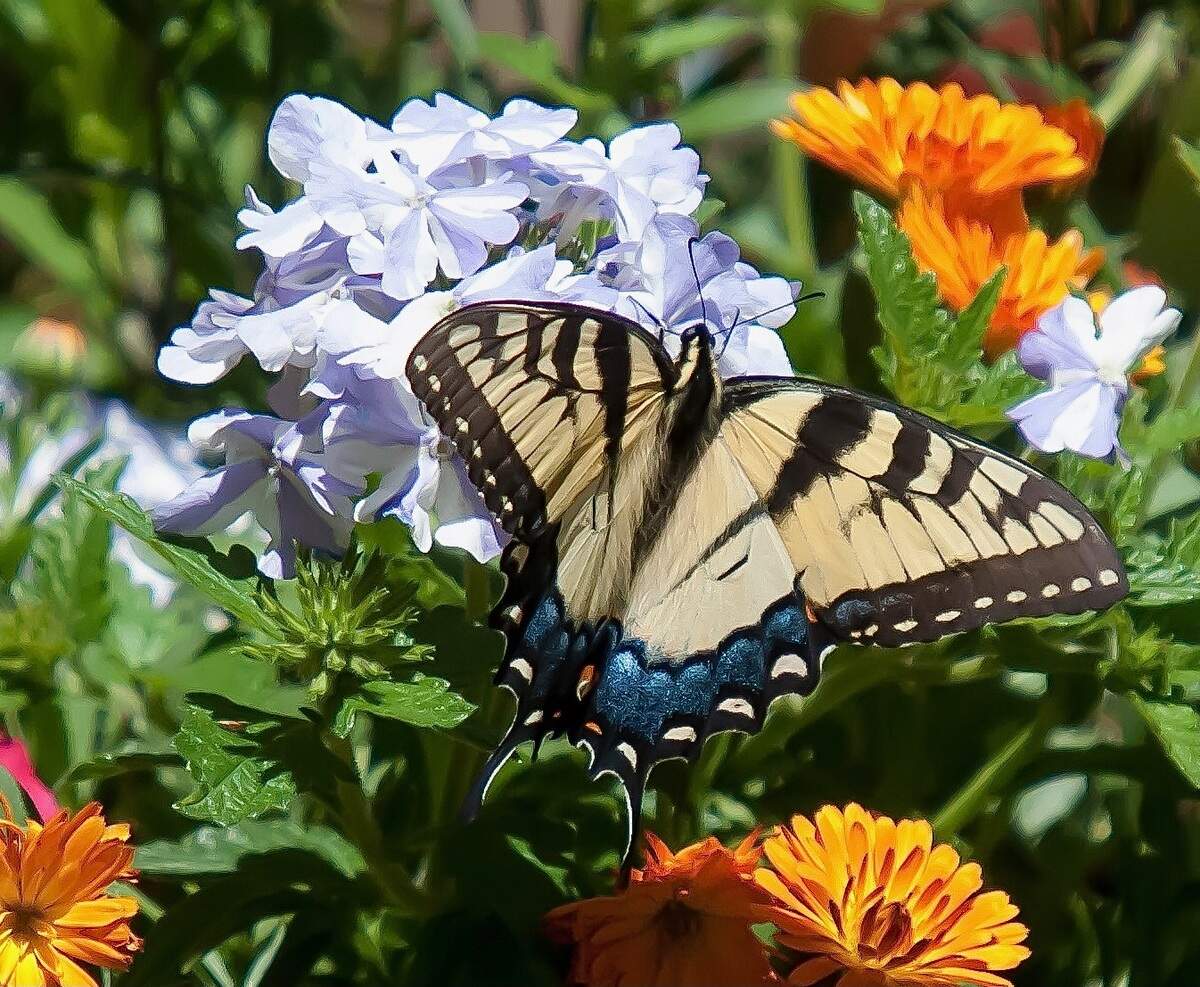
The female’s dark form for this species has no yellow or stripe and appears much darker in color.
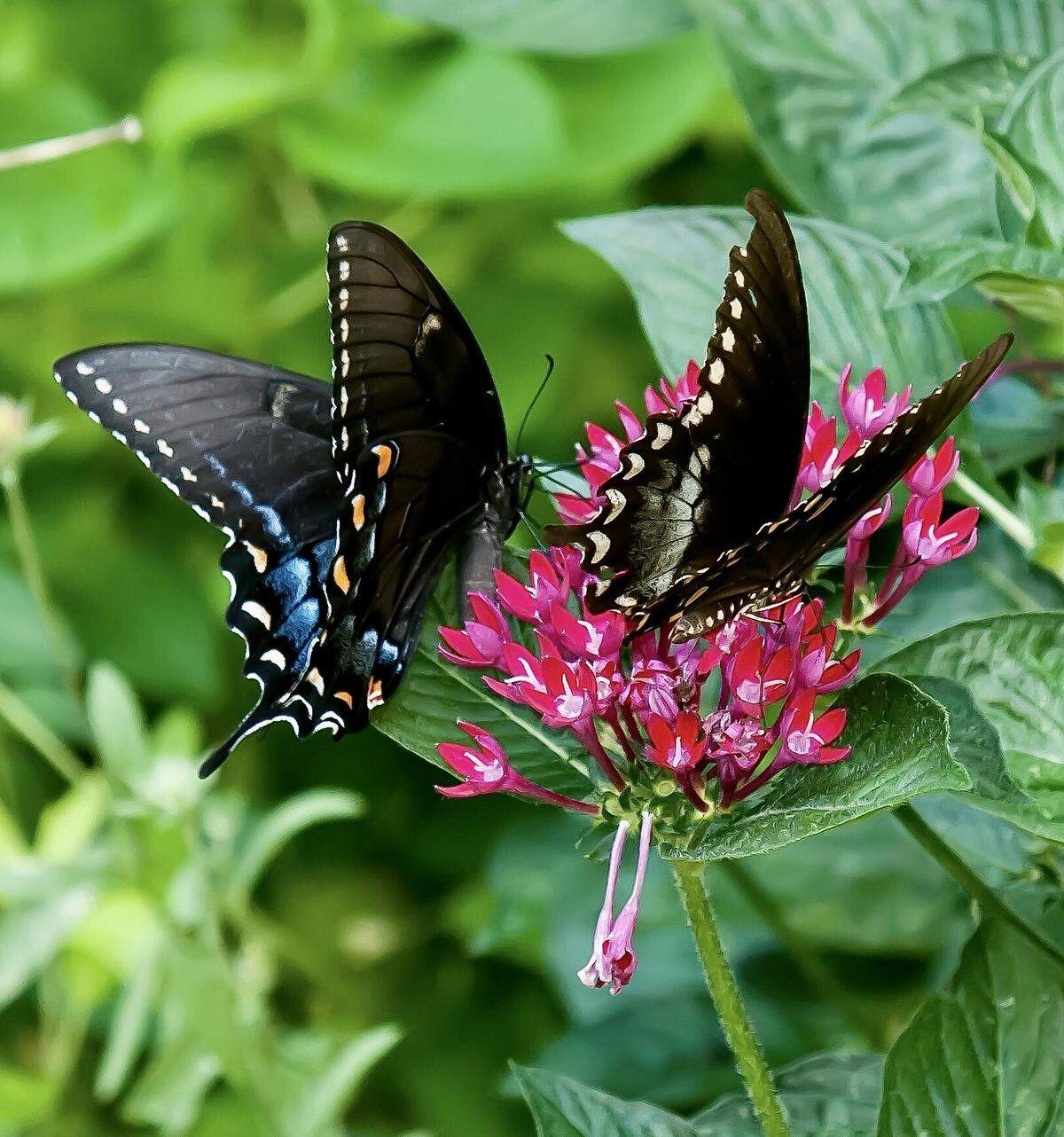
However, both forms share a similar likeness. The hindwing of both female forms display a row of striking blue chevrons and an iridescent blue wash over parts of the interior hindwing, Butterflies and Moths of North America states. Thus, the appearance of a partially blue hindwing.
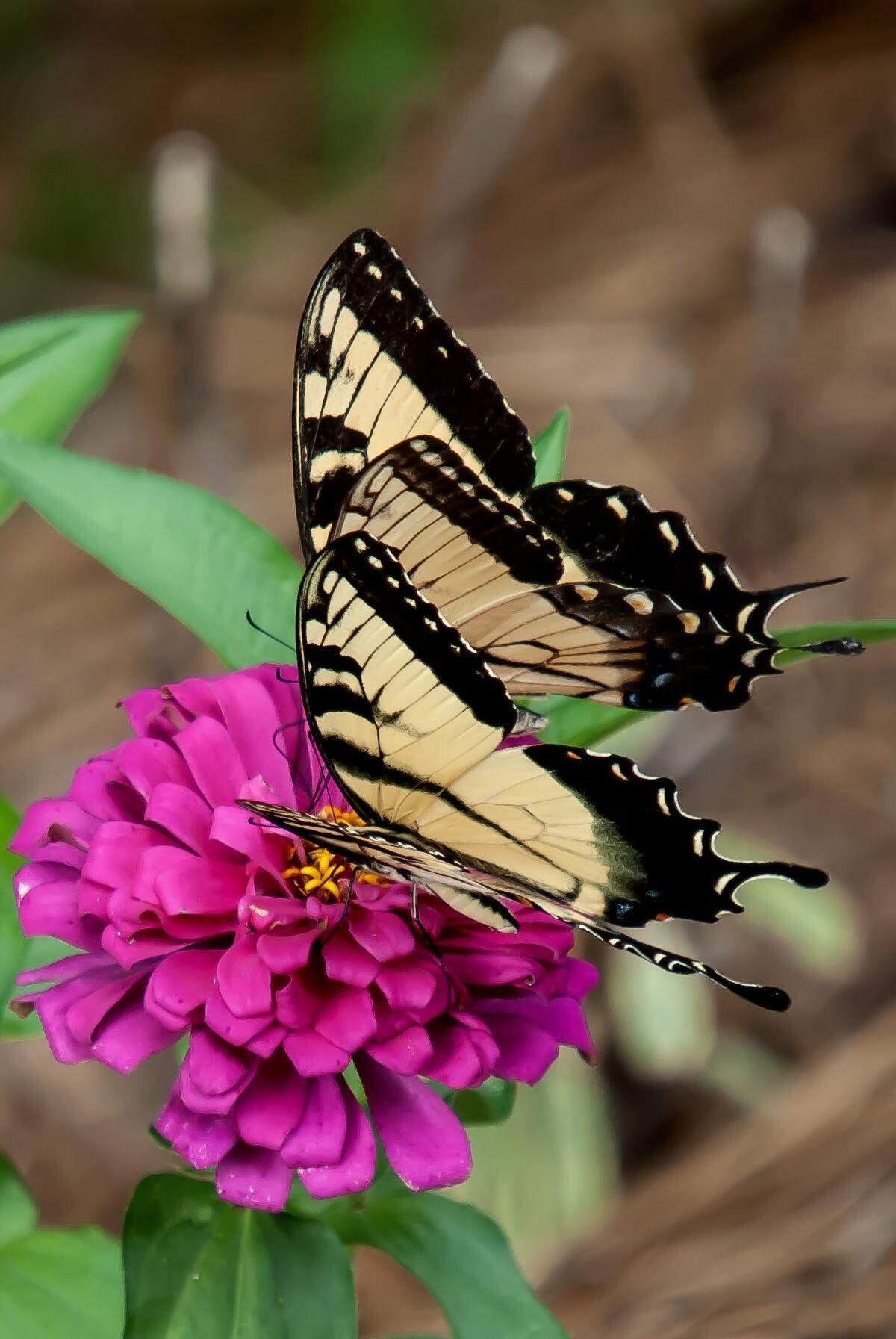
As adult butterflies, this species prefers to feed on nectar produced by a number of plants. They are particularly fond of the nectar offered by butterfly bush, lantana, phlox, milkweed, dandelion, honeysuckle, abelia, bee balm, Joe-Pye weed and wild cherry, reports the Georgia Department of Natural Resources.
Milkweed (Asclepias) and Joe-Pye Weed [Eupatorium] tend to be favorites during the summer months.
The Eastern Tiger Swallowtail is a larger species of butterfly and can have up to a 5.5-inch wingspread.
This beautiful butterfly species can be seen from springtime until the fall and produces two broods in the north and three life cycles in the southeastern states.
They will have three flights from February through November in the southern states and two flights from May-September in the northern states of the country.
Due to the warmer weather conditions South Carolina has been having the last several weeks, it might not be uncommon to already be able to spot the state’s official butterfly.
These butterflies choose to make their habitats in deciduous broadleaf woods, forest edges, river valleys, parks, and suburbs.
As for reproduction, a female tiger swallowtail lays up to 250 eggs during its short lifetime and will choose to delicately deposit them only on tulip poplars, wild cherries, sweet-bay, basswood, ash and wafer ash, especially when these trees are near nectar sources, continued Terry W. Johnson through the Georgia Department of Natural Resources.
The egg deposits will not occur on just one singular plant but will be laid on a few chosen plants scattered throughout the general area.
These eggs can appear as greenish-yellow globes and are deposited on the upper surface of a host plant leaf.
The Eastern Tiger Swallowtail is not only South Carolina’s state butterfly but is also the same for North Carolina, Alabama and Georgia.
.jpeg "image2 (4).jpeg")
This story was originally published February 25, 2023 at 8:00 AM.