Where do snakes in SC go in the winter? They could be closer than you think. What to know
With a heavy presence of snake sightings every summer and during the warmer months, these reptiles seemingly disappear in South Carolina every winter. Why is that? Do they hibernate?
South Carolina snakes do not hibernate, but they do go away in a sense.
It is still possible to be surprised by these reptiles when the temperatures begin to cool down. However, given sightings are much fewer, where exactly do they go most of the time?
These slithering serpents are cold-blooded. This means they cannot regulate their body temperatures like humans or other warm-blooded animals. Their body temperatures change with the outside temperatures. When they become cold, they become less active and quite sluggish. Worms, fish, insects, reptiles and amphibians are all cold-blooded. Mammals and birds are warm-blooded.
For a better understanding, “cold-blooded actually means the animal’s body temperature is basically the same as its surroundings. A fish swimming in 40° F water will have a body temperature very near 40° F. The same fish in 60° F water will have a body temperature near 60° F. After a cool night, a grasshopper may be too stiff and cold to hop until the morning sun warms its body. Since cold-blooded animals cannot generate their own heat, they must regulate their body temperature by moving to different environments,” according to Texas Parks & Wildlife.
As for where South Carolina snakes go when the temperatures begin to drop, they go into a state called brumation. It acts as a type of hibernation for cold-blooded beings.
“Cold temperatures cause reptiles and amphibians to hide underground, in rock crevices and in burrows to stay warm and safe. Their activity, body temperature, heart rate and respiratory rate drops like in hibernation. Cold-blooded animals will move on warmer winter days and find water, unlike hibernators who are in a deep sleep and do not move at all,” says Discovery Place Nature on brumation.
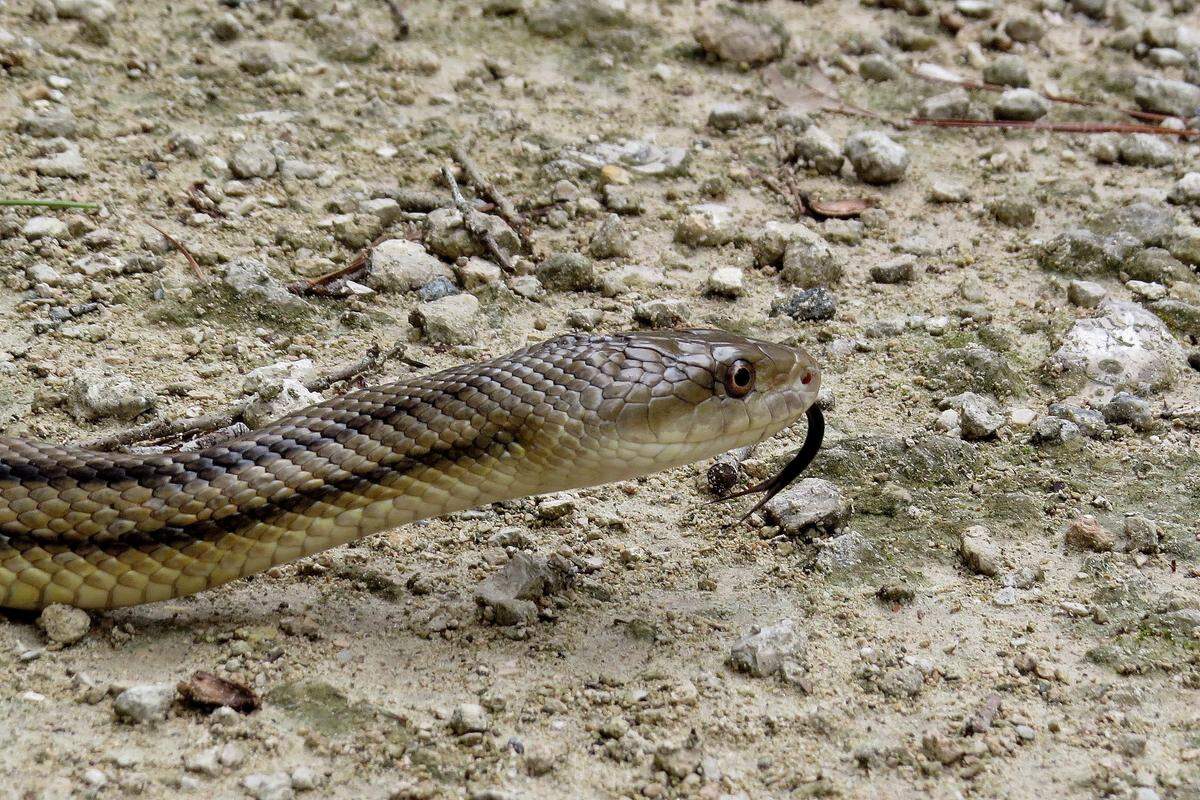
However, with modern expansion, human developments have taken over many animals’ former habitats. This means a snake’s brumation may accidentally take place somewhere other than an underground burrow.
“When cold weather hits, snakes must find shelter from the temperatures by burrowing in holes or caves, under logs or rocks, in tree stumps, or by making their way into basements, crawlspaces, garages, barns, sheds, wood piles, and even car engines. Snakes are very quiet and experts at hiding so their presence often goes unnoticed until they are disturbed,” according to Northwest Exterminating.
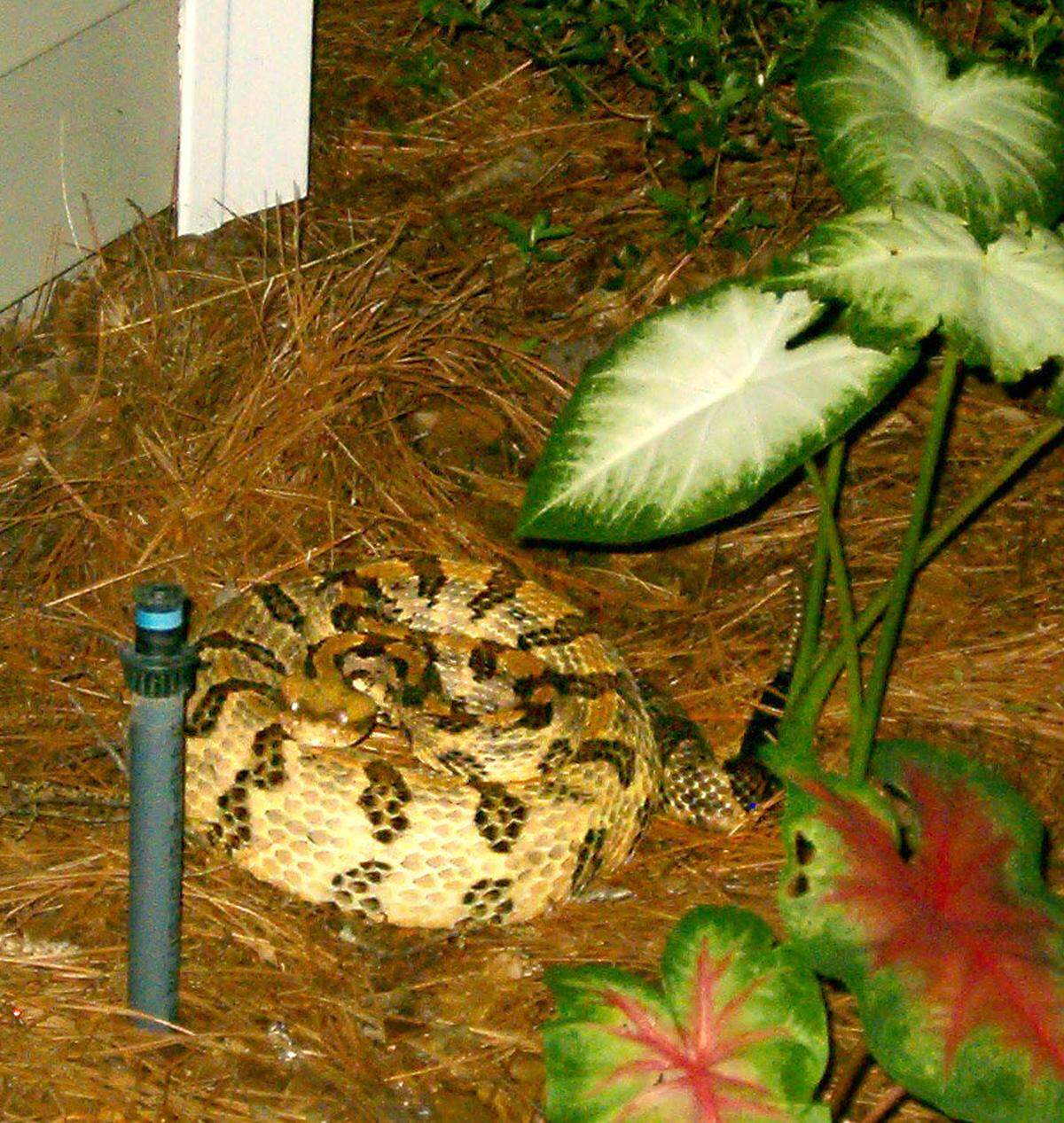
Although less likely, it is possible to come across a snake in South Carolina this time of year. They are much less active and go into hiding, but you may still be surprised to find one, or more, in your yard or shed as they brumate and conserve energy or search for a possible food source to sustain them throughout the chillier days.
Make sure to still keep a watchful eye where you step and for unsuspecting things from above or below. Snakes can be in upper shelves or even climb trees, as well as behind a wheelbarrow, bucket or lawn mower in your yard or in a garage or shed. They may even be in your car.
This story was originally published November 3, 2022 at 5:00 AM.