
Spike in wild horse deaths on remote NC island linked to food shortage, study says
Deaths have suddenly spiked among the feral horses living on an isolated North Carolina island, and researchers say it’s linked to rising sea level and worsening coastal erosion.
Herd mortality jumped from 6% to 17% last year on the Shackleford Banks, which is home to 102 wild horses, according to a study by the National Park Service.
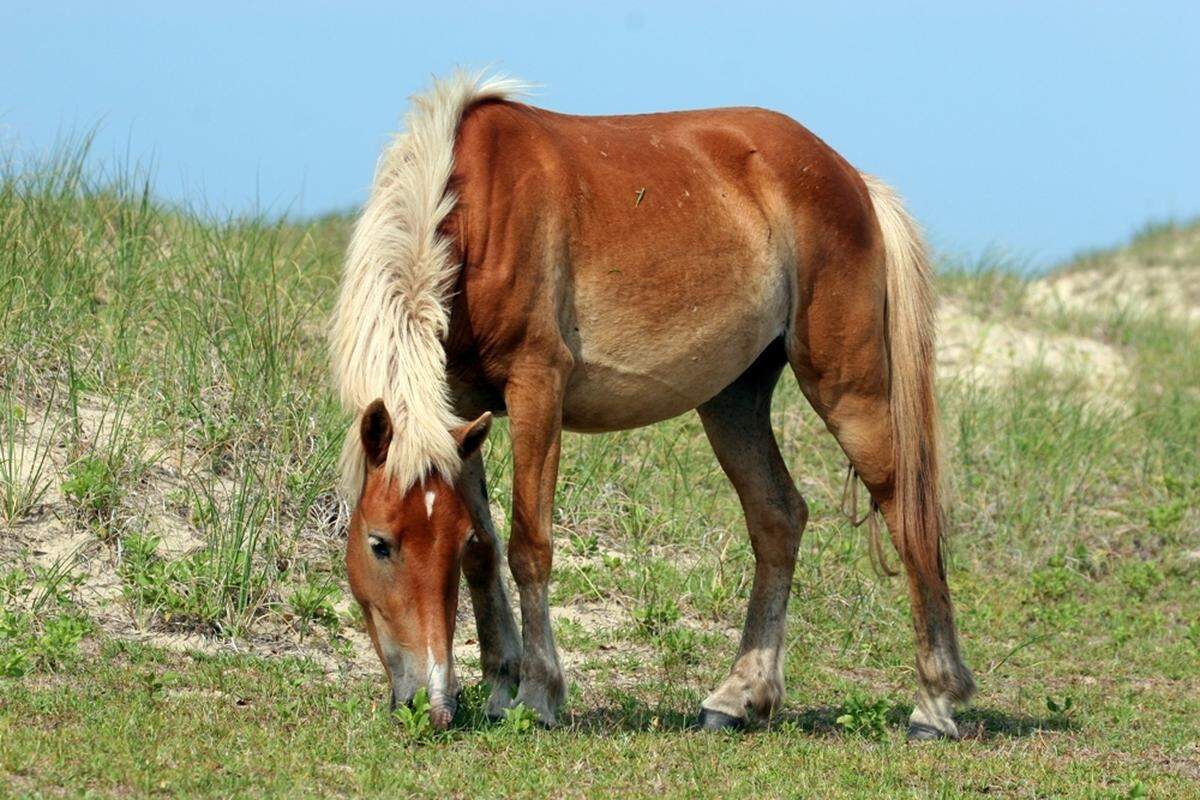
Twenty died in 2025, including a 20-year-old stallion, a 31-year-old mare and six other mares over age 20, according to the annual report.
The chief cause: Hunger.
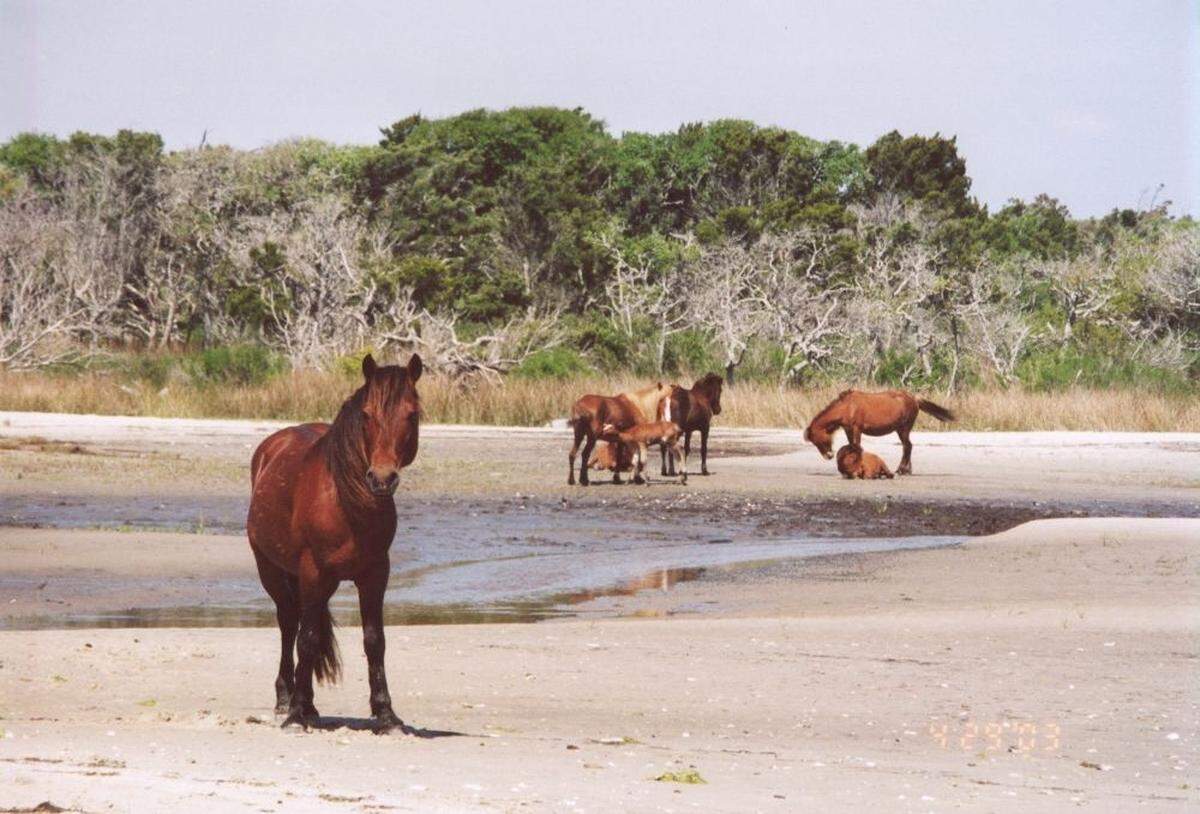
“Evidence shows that the increased mortality is primarily due to the herd adjusting to the available vegetation on the dynamic barrier island,” the report states. “As a result, the majority of the deceased horses were in thin body condition.”
It’s a problem that may get worse before it gets better, Cape Lookout National Seashore told The Charlotte Observer.
“Factors include erosion of the island, succession of the grassy swales to woody shrubs, loss of marsh, overwash and flooding of the island, and intermittent drought conditions,” NPS officials said.
“Additionally, a recent study indicates that fresh drinking water is less widely available than is desirable. The population is expected to continue to decline until a balance is reached.”
Impact of rising sea level
The fragile Outer Banks are at the forefront of environmental changes along the East Coast, with some beach towns “losing around 15 feet of coastline per year” to rising sea levels, The Southern Environmental Law Center says.
Thirty-one privately-owned homes on the Outer Banks have collapsed into the Atlantic over the past six years, creating streams of dangerous debris that traveled for miles, the National Park Service reports.
Wildlife threatened by the rising tides include not only wild horses, but nesting sea turtles and shorebirds, experts say.
North Carolina has an additional Outer Banks herd of about 100 wild horses on Corolla, and starvation is not an issue there, according to herd manager Meg Puckett of the Corolla Wild Horse Fund.
That’s in part due to geography: The Corolla horses have learned to swim from island to island, and will disappear for months into the vast marshes where they forage and drink from canals.
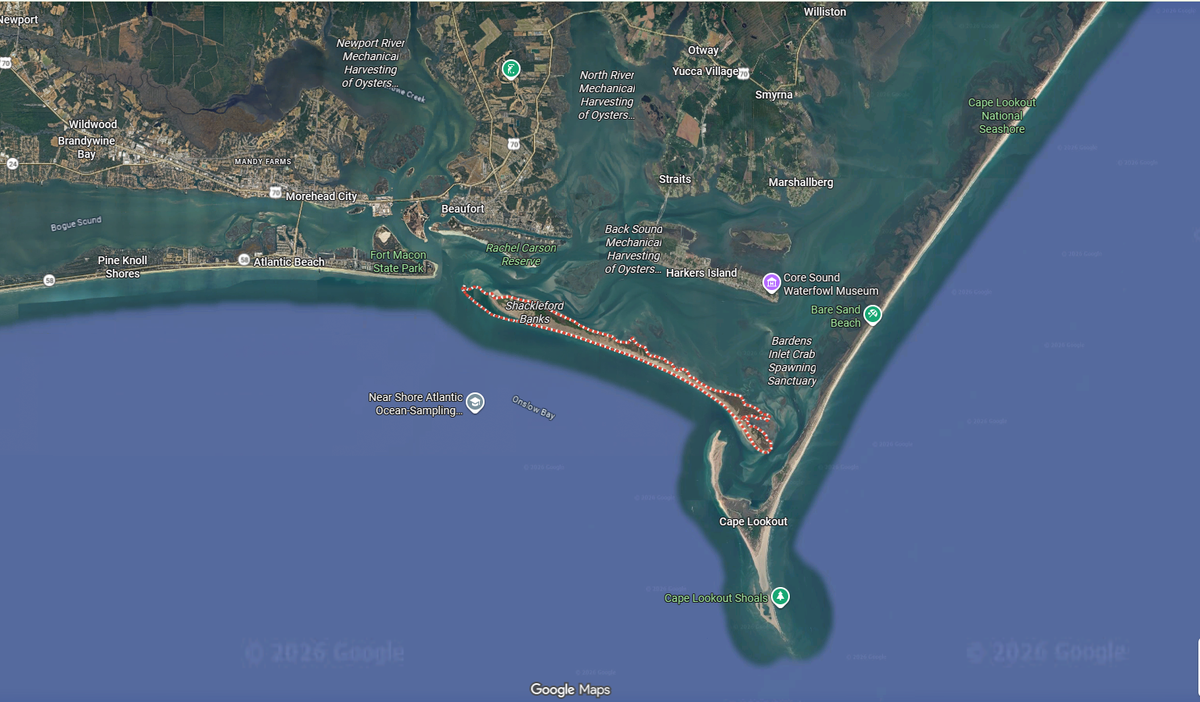
By comparison, the Shackleford Banks herd has a smaller, more isolated feeding ground. To the north is Back Sound, to the south is Onslow Bay, and treacherous inlets flow to the east and west.
The National Park Service long believed the 2,990-acre island was big enough to support 130 horses, but that has changed.
It remains a mystery how the horses got there, but historians believe North Carolina’s feral herds are a mixture of mustangs released by early European explorers and escaped farm stock.
One possible solution
Old-fashioned horse roundups have been staged on the Shackleford Banks in the past to thin the herd – the last in 2005 – but none “are planned in the foreseeable future,” the NPS says.
For now, the only other option appears to be a birth control program handled in partnership with the nonprofit Foundation for Shackleford Horses, which co-manages the herd.
“Contraception has been used adaptively to manage the wild horse population beginning in 2000,” the annual report states.
“Contraceptive doses are additive but strategically reversible, with one dose providing, on average, one year of birth control. Eleven mares with young offspring were contracepted in 2025 which should prevent them from conceiving for two to three years before they return to fertility.”
Seven foals were found on the island in 2025, the NPS. One died and two were removed by the Foundation for Shackleford Horses when the foals became separated from their mothers, officials said.
The Shackleford Bank is about 155 miles southeast of downtown Raleigh, and is reached only by boat or by ferry.
This story was originally published April 7, 2026 at 8:54 AM with the headline "Spike in wild horse deaths on remote NC island linked to food shortage, study says."